You’re Not Just Training for Now
When you’re in your 20s, fitness usually has an immediate goal.
Posts about:
When you’re in your 20s, fitness usually has an immediate goal.
We often think of aging as something that simply happens to our bodies. We lose some strength, slow down, and perhaps become a little less capable than we used to be.
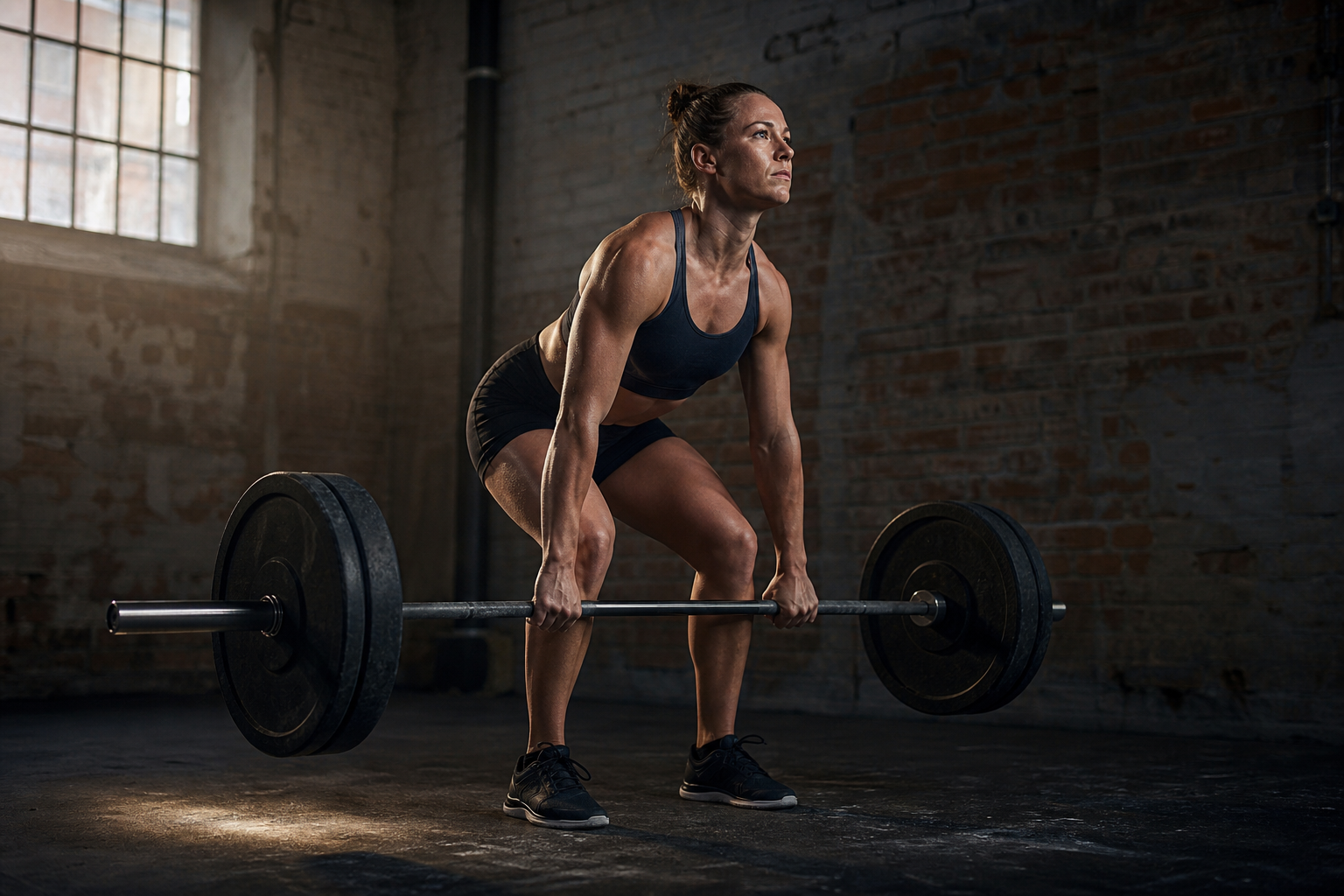
The deadlift has become one of the most respected exercises in strength training—and for good reason. When coached well, it develops strength through the hips, legs, trunk, and posterior chain in a way that closely resembles real life. Picking up groceries, moving furniture, carrying children, loading luggage, and even maintaining posture during daily life all rely on the same fundamental movement patterns trained during a deadlift.
Most people think about exercise as something that helps them lose weight, improve their mood, or build muscle.
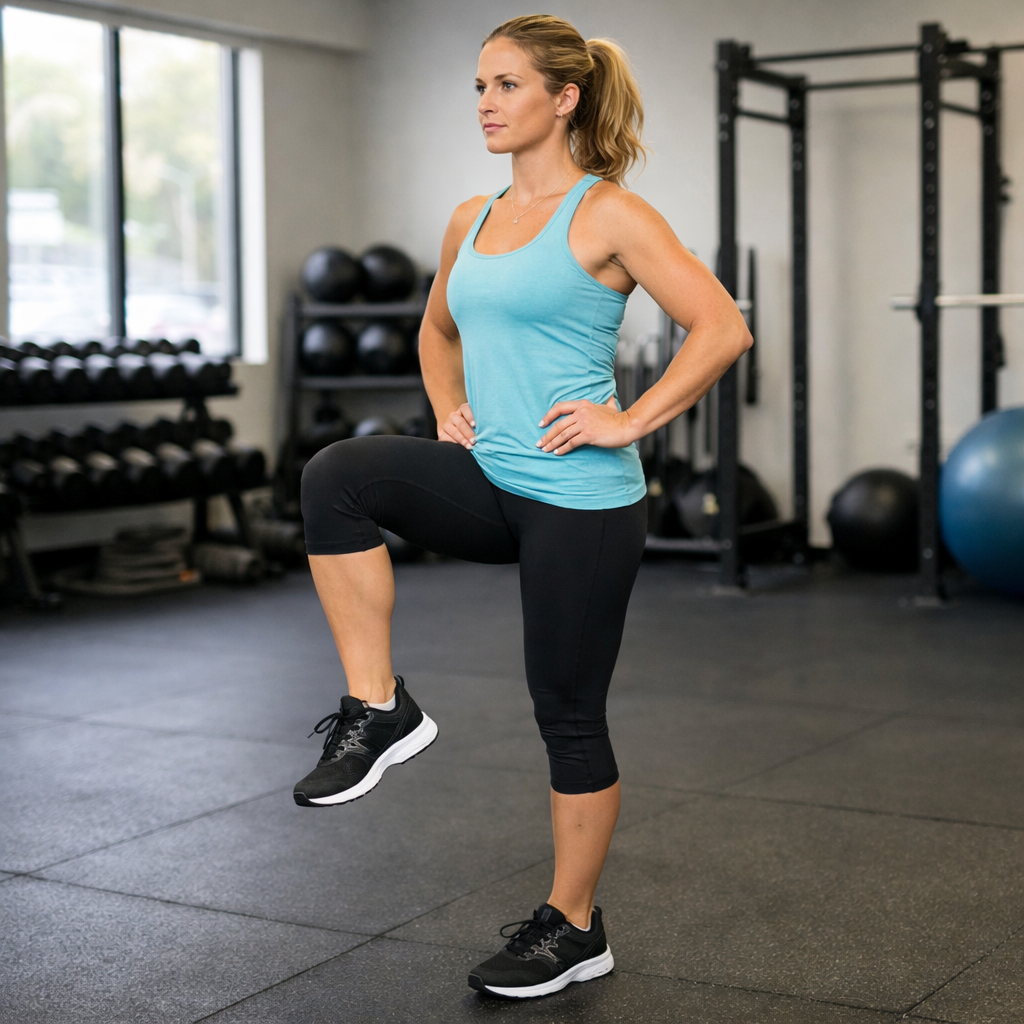
If you’ve ever watched an older adult move carefully through space—holding railings, slowing down on uneven ground, hesitating before stepping—you’re seeing something deeper than “just aging.”
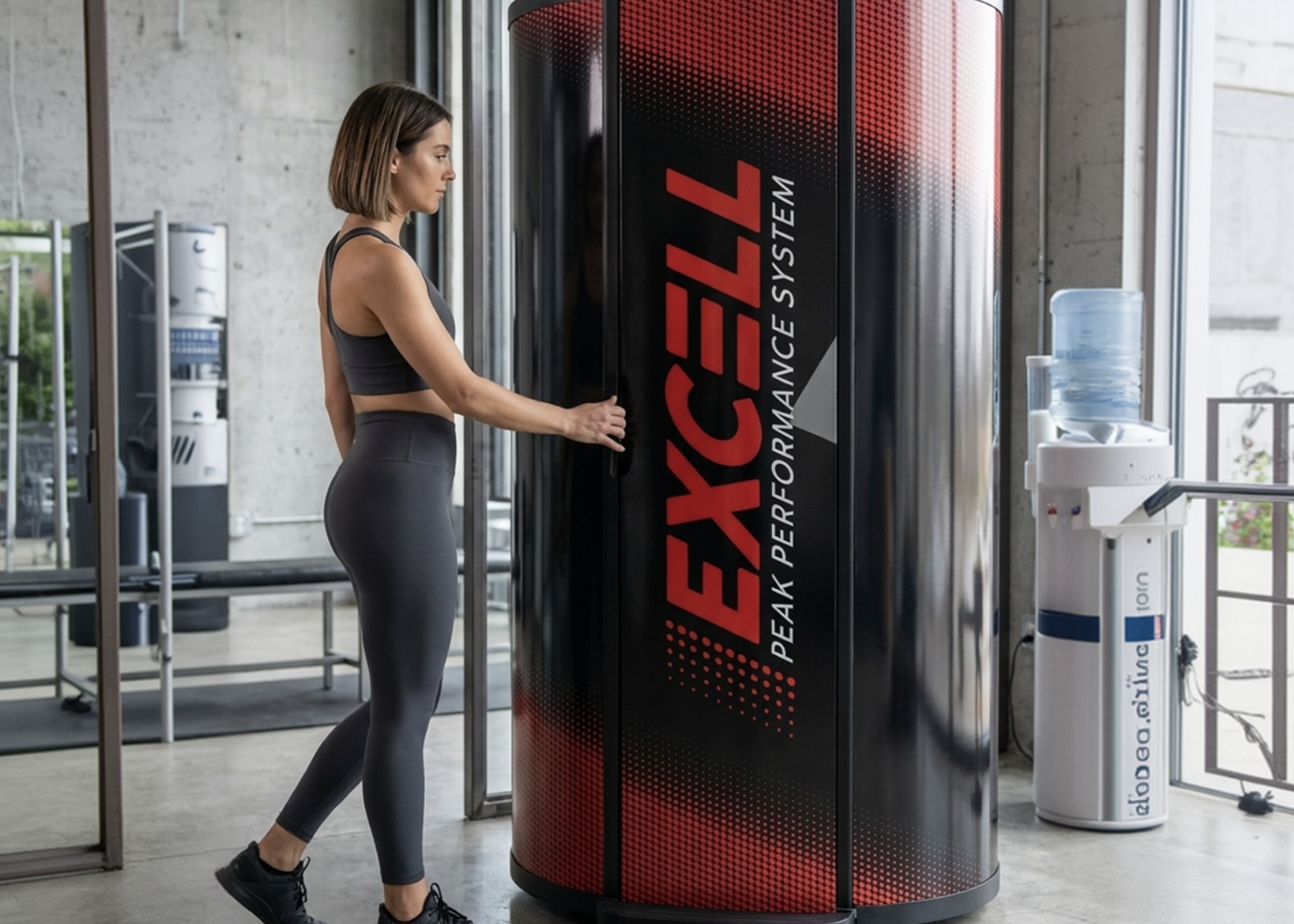
Full-body red light therapy uses specific red and near‑infrared wavelengths to support muscle recovery, circulation, and skin health without heat or invasive procedures. You step into a stand‑up EXCELL booth for about 10 minutes, exposing your entire body to calibrated light that helps your cells produce more energy and bounce back from training.
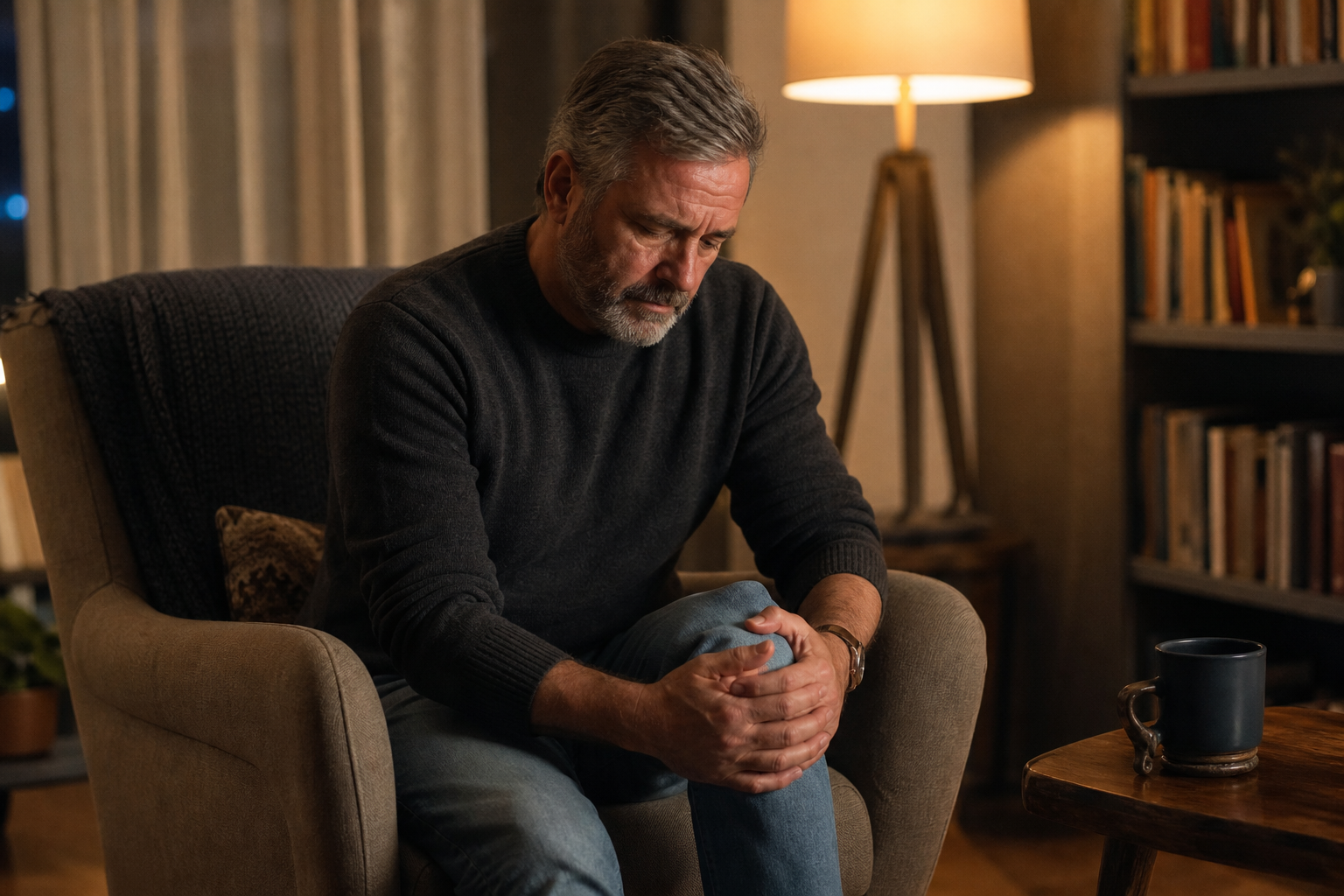
One of the most common frustrations I hear from people who want to be more physically active is arthritis.
Knees that ache on stairs. Hips that feel stiff after sitting. Joints that seem to protest every time you try to do “the right thing” for your health. It’s understandable why so many people conclude that movement is the problem—and that rest is the solution.
But when we zoom out and look at the actual evidence, the story changes.
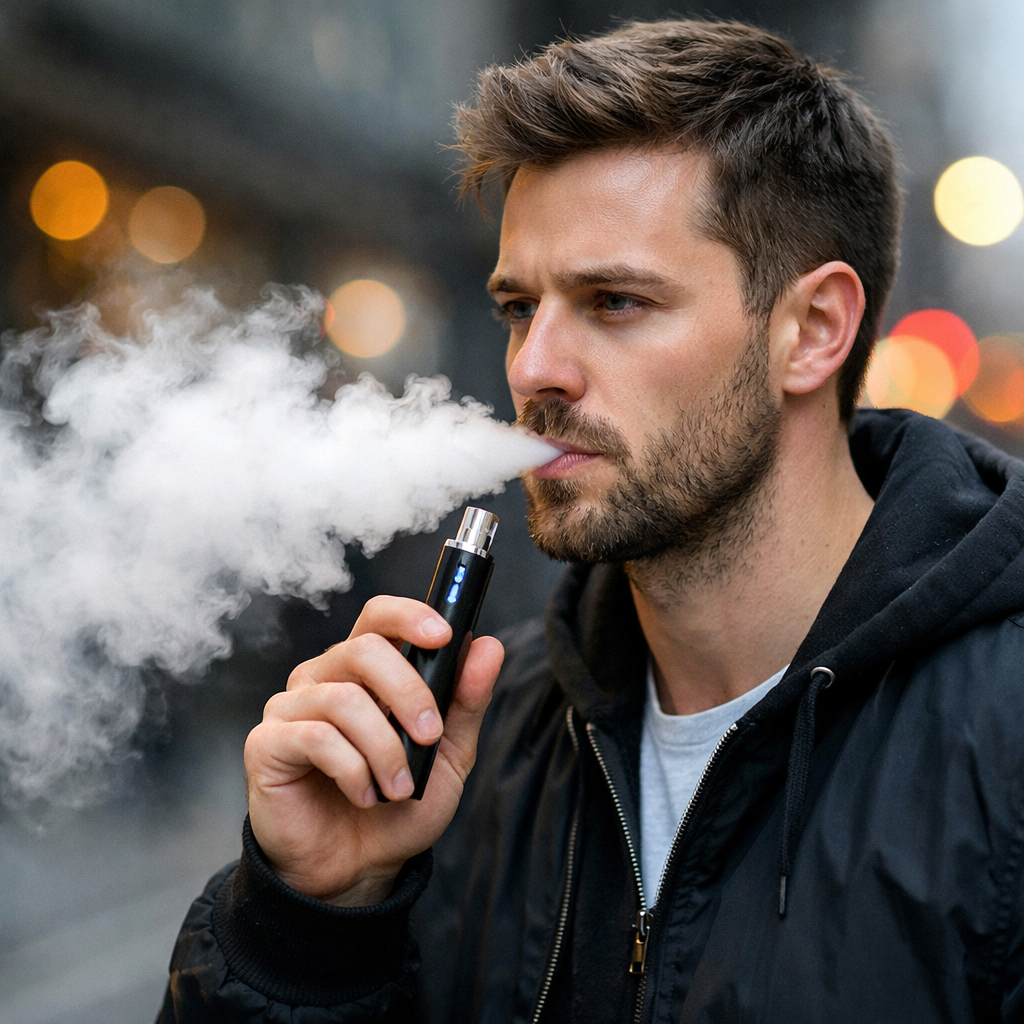
Walk anywhere, and you’ll see it—vapes everywhere. Sleek, discreet, and widely accepted, they’ve become part of the modern landscape, often framed as a cleaner, safer alternative to smoking.
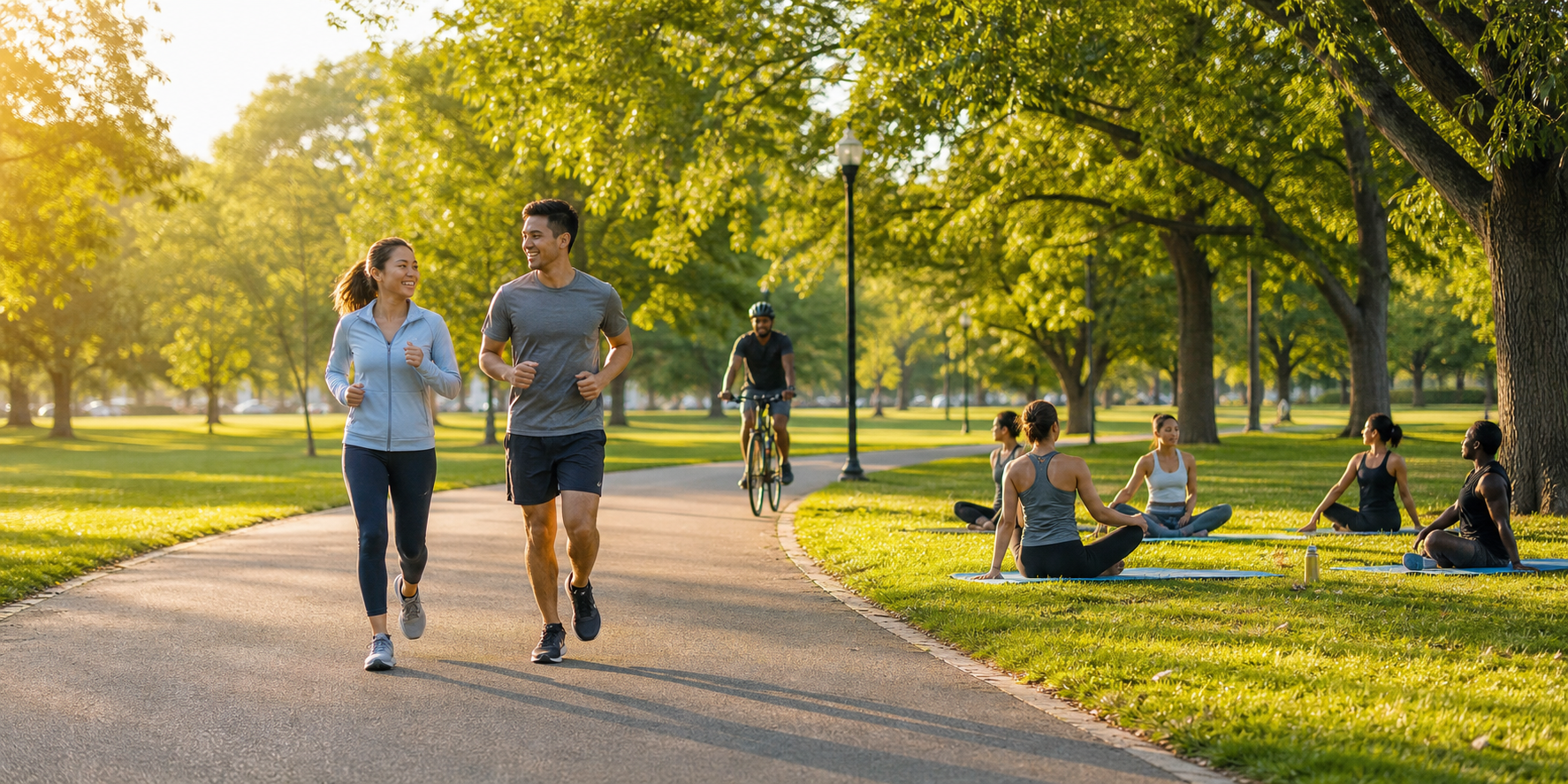
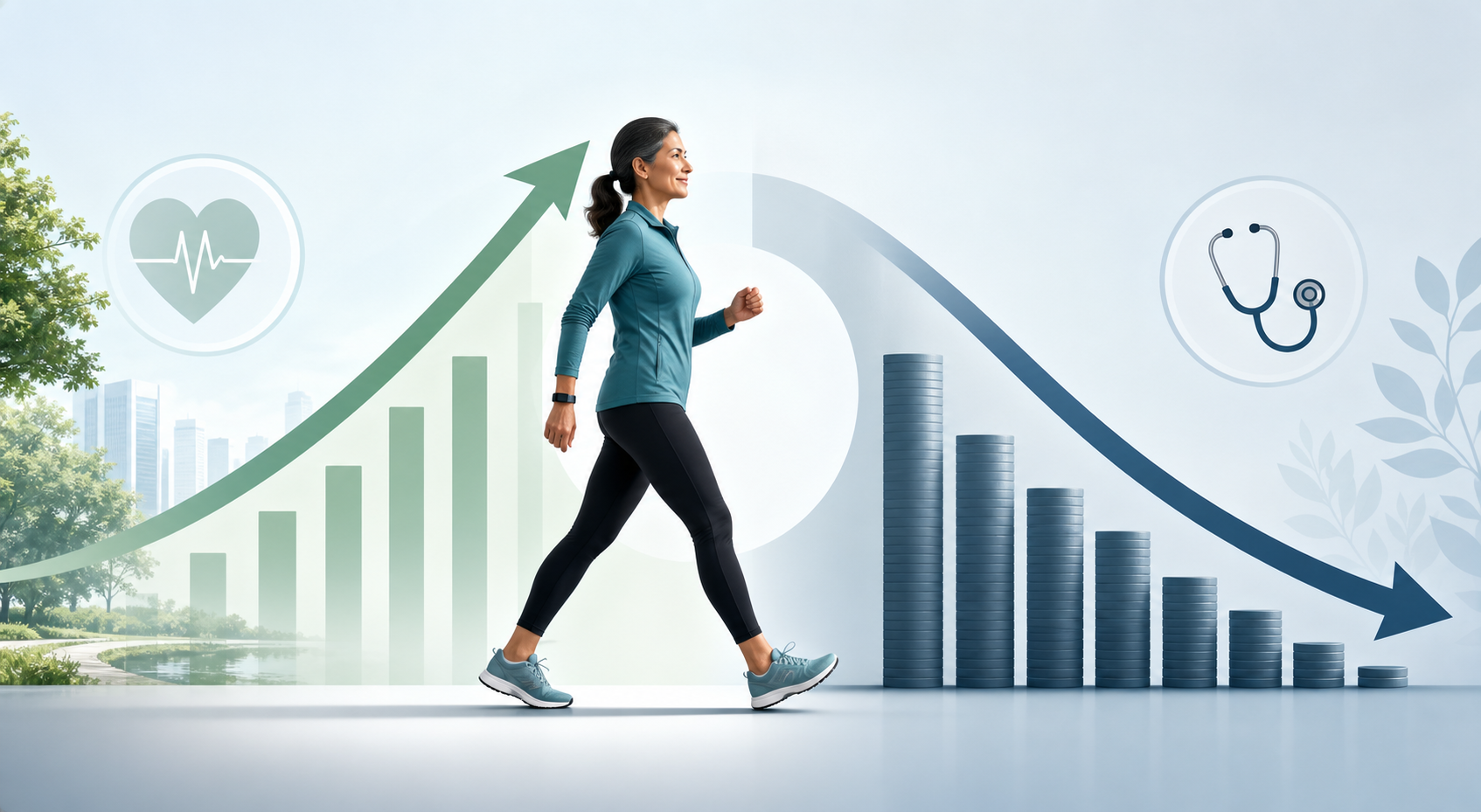
Every May, during National Physical Fitness and Sports Month, there is renewed public conversation about exercise, health, and longevity. That conversation matters, because the United States continues to face rising rates of obesity, metabolic disease, chronic pain, cardiovascular disease, depression, and loss of functional independence. Yet despite overwhelming evidence supporting physical activity as one of the most effective forms of preventive healthcare ever studied, structured exercise remains financially and logistically inaccessible for many Americans.
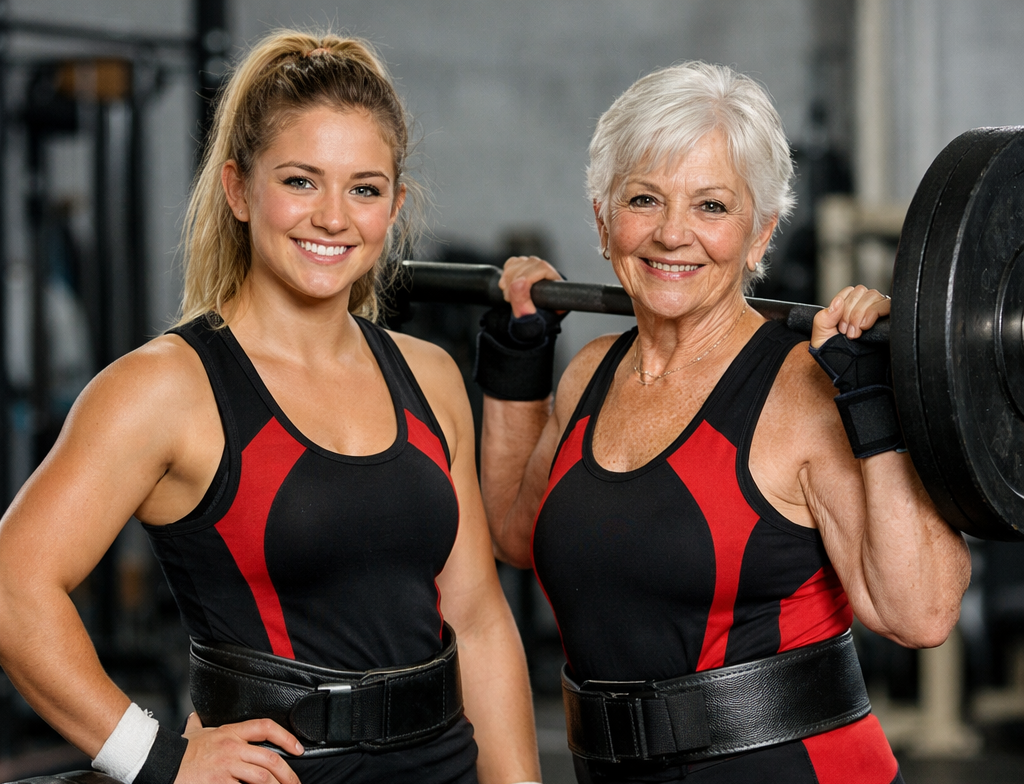
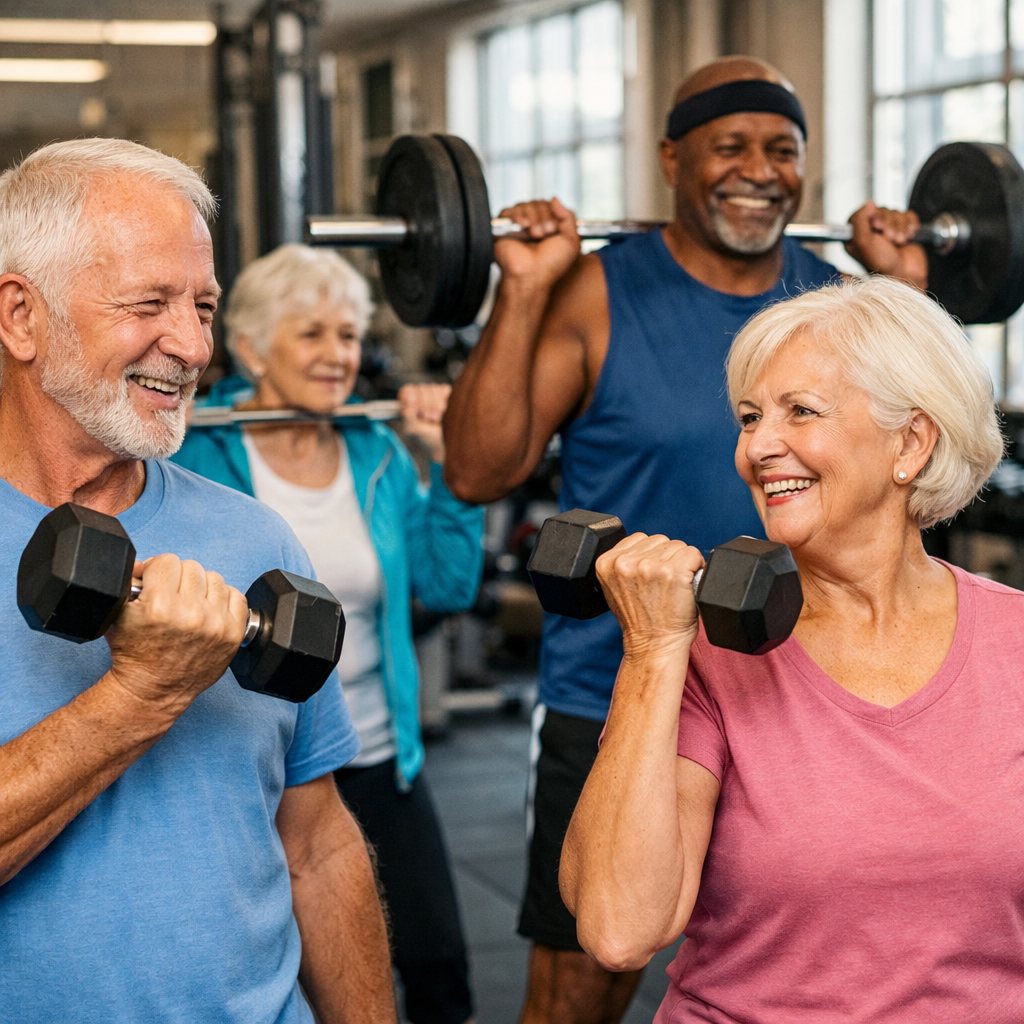
Aging changes the body — but decline is not inevitable.

