You’re Not Just Training for Now
When you’re in your 20s, fitness usually has an immediate goal.
Posts by:
Dr. Stevens has been a Certified Personal Trainer through the American Council on Exercise since 2007 and has pursued additional training in corrective exercise, yoga, medical fitness, and metabolic health. Her work reflects a long-standing interest in plant-based nutrition, therapeutic stretching, and hands-on approaches to movement and recovery. She has a background in elite endurance sports and mixed martial arts, and has spent many years training and coaching across a wide range of athletic and clinical settings.
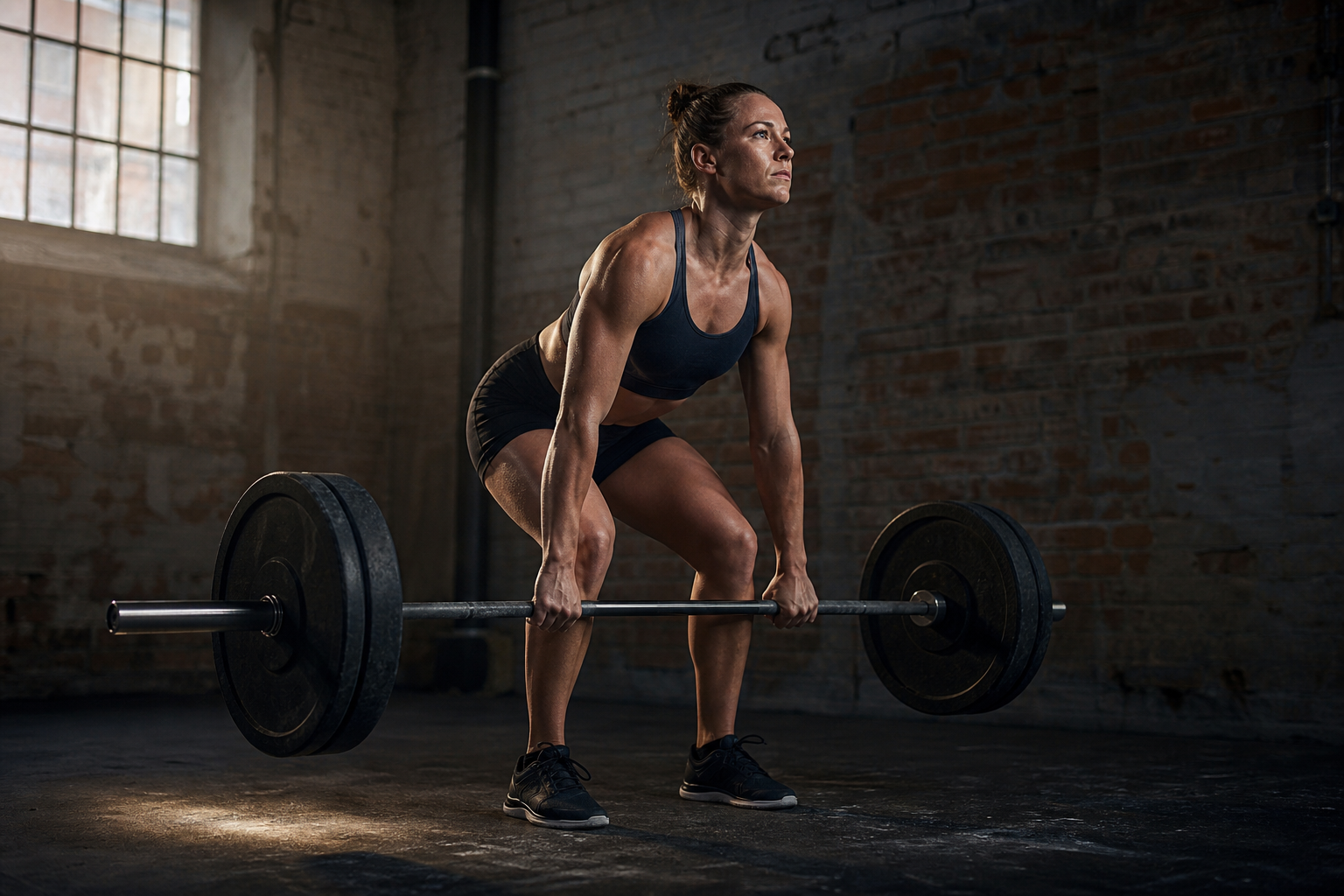
When you’re in your 20s, fitness usually has an immediate goal.
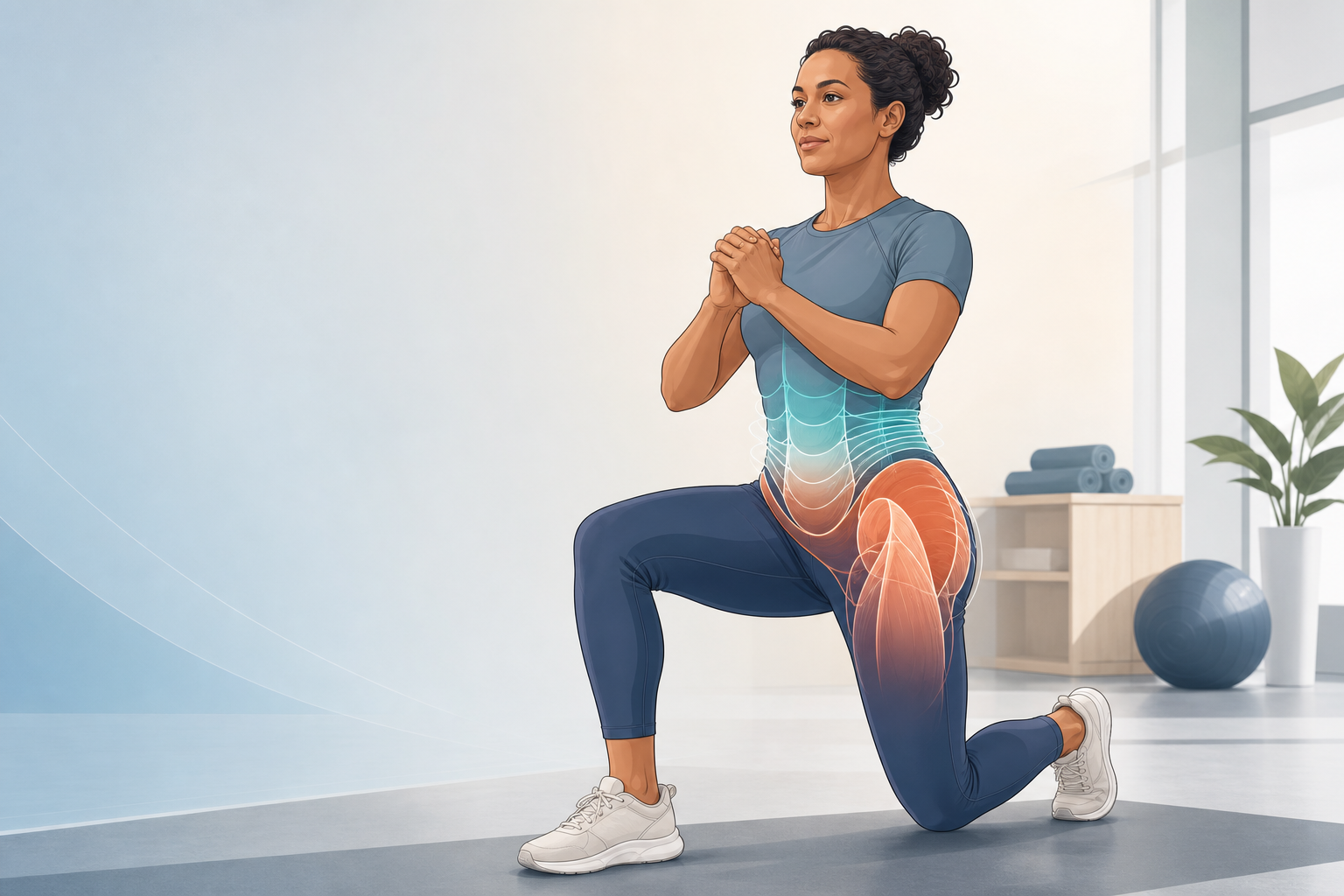
If you've ever watched an experienced athlete move, it's easy to assume everything they do is technically perfect.
Most people think of diabetes as something that begins the day a lab result crosses a diagnostic line.

When people talk about getting rich, they usually mean accumulating money.
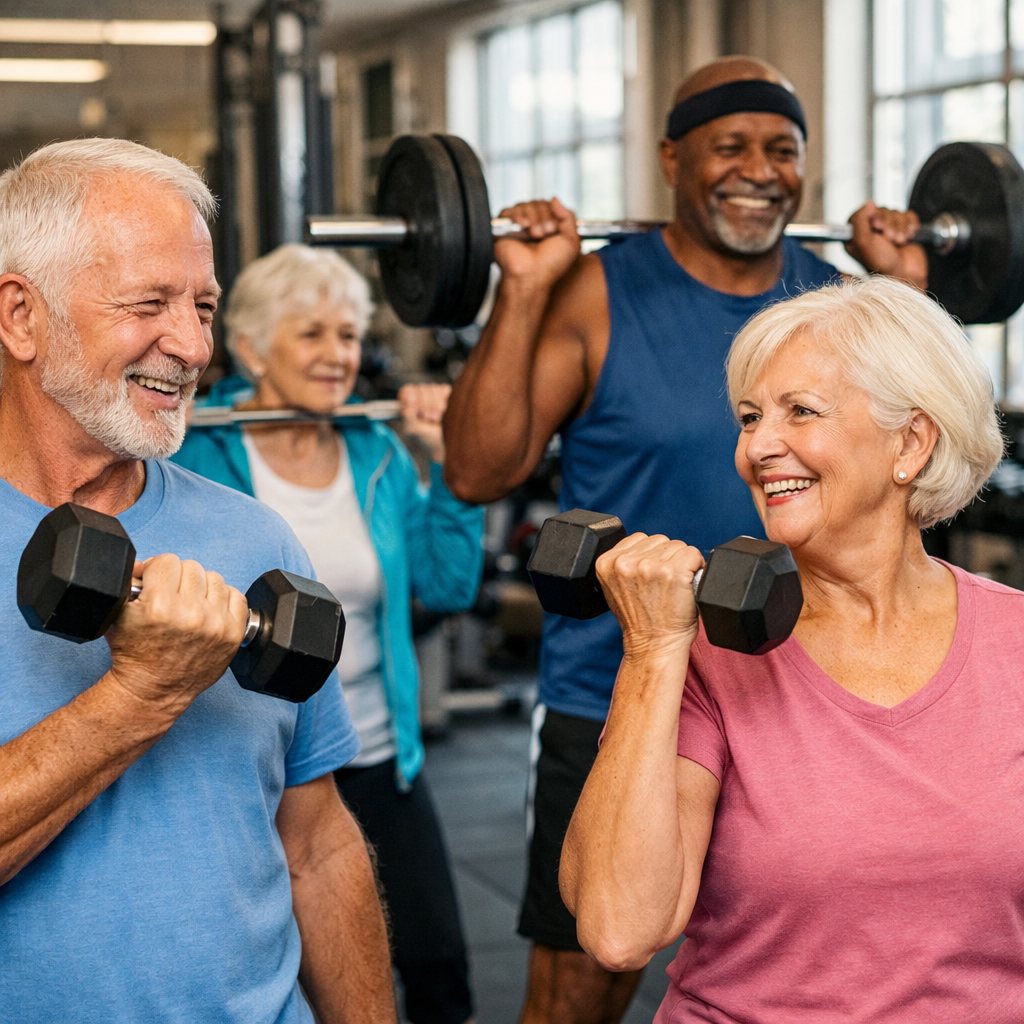
We often think of aging as something that simply happens to our bodies. We lose some strength, slow down, and perhaps become a little less capable than we used to be.

High blood pressure is often reduced to one piece of advice: eat less salt.
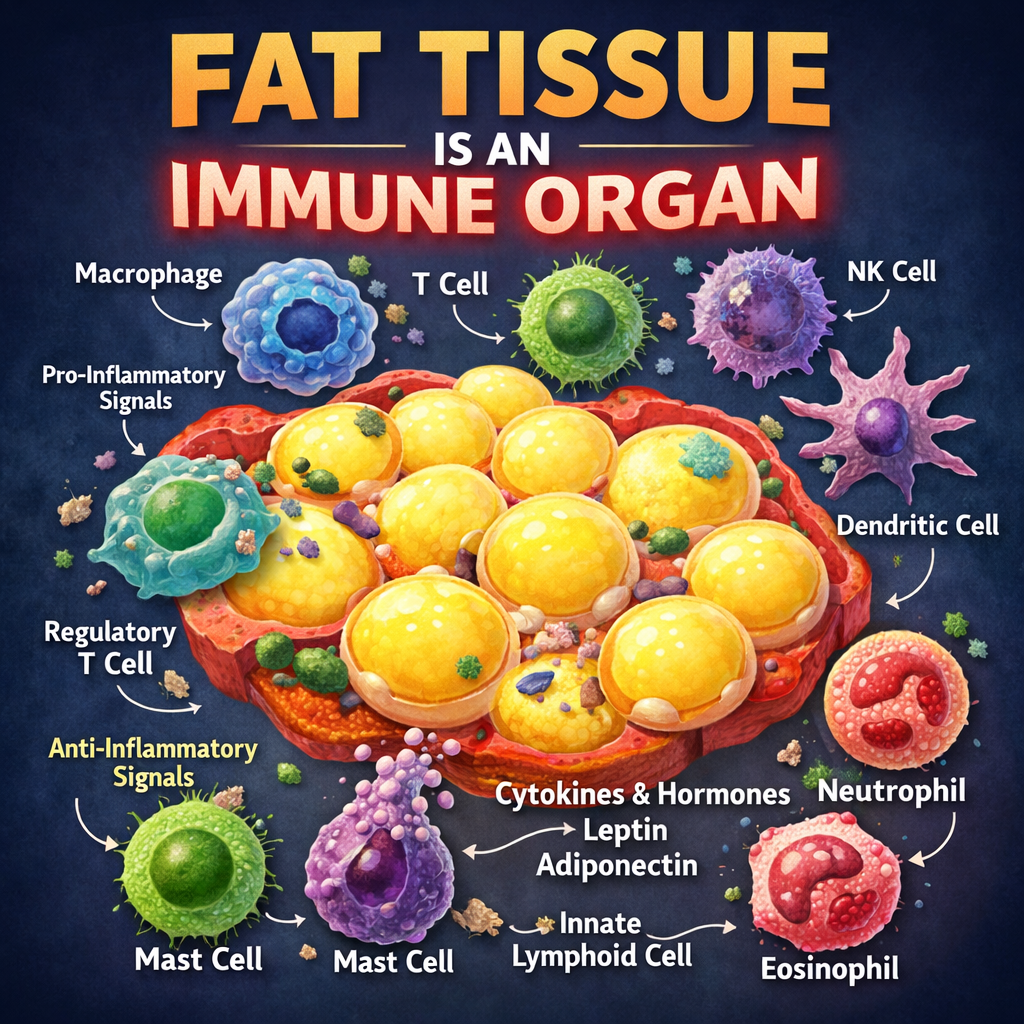
Most people think about body fat in terms of appearance. Maybe it’s about fitting into clothes better, or feeling more confident at the beach.
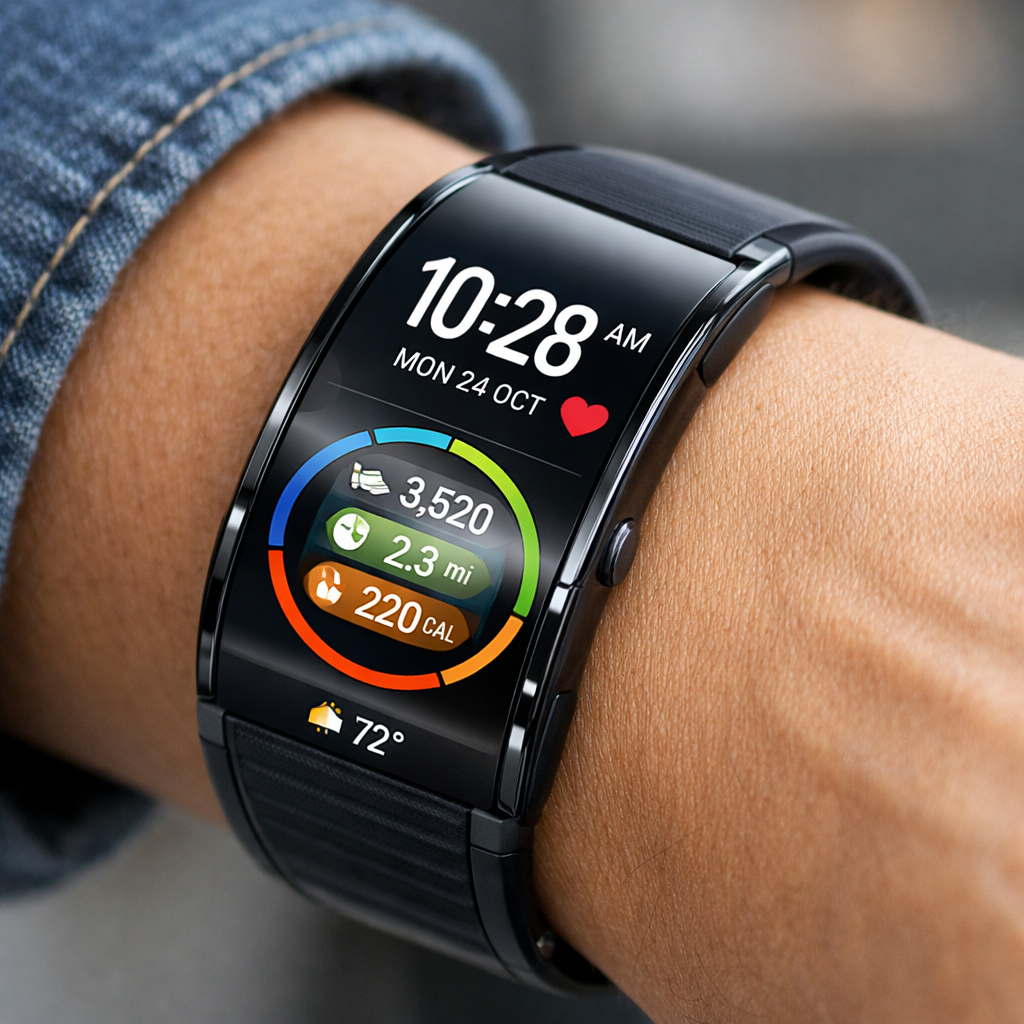
Walk into any gym, open any app store, or scroll through fitness social media and you’ll see the same message repeated in different forms: more data equals better health. More metrics. More precision. More personalization.
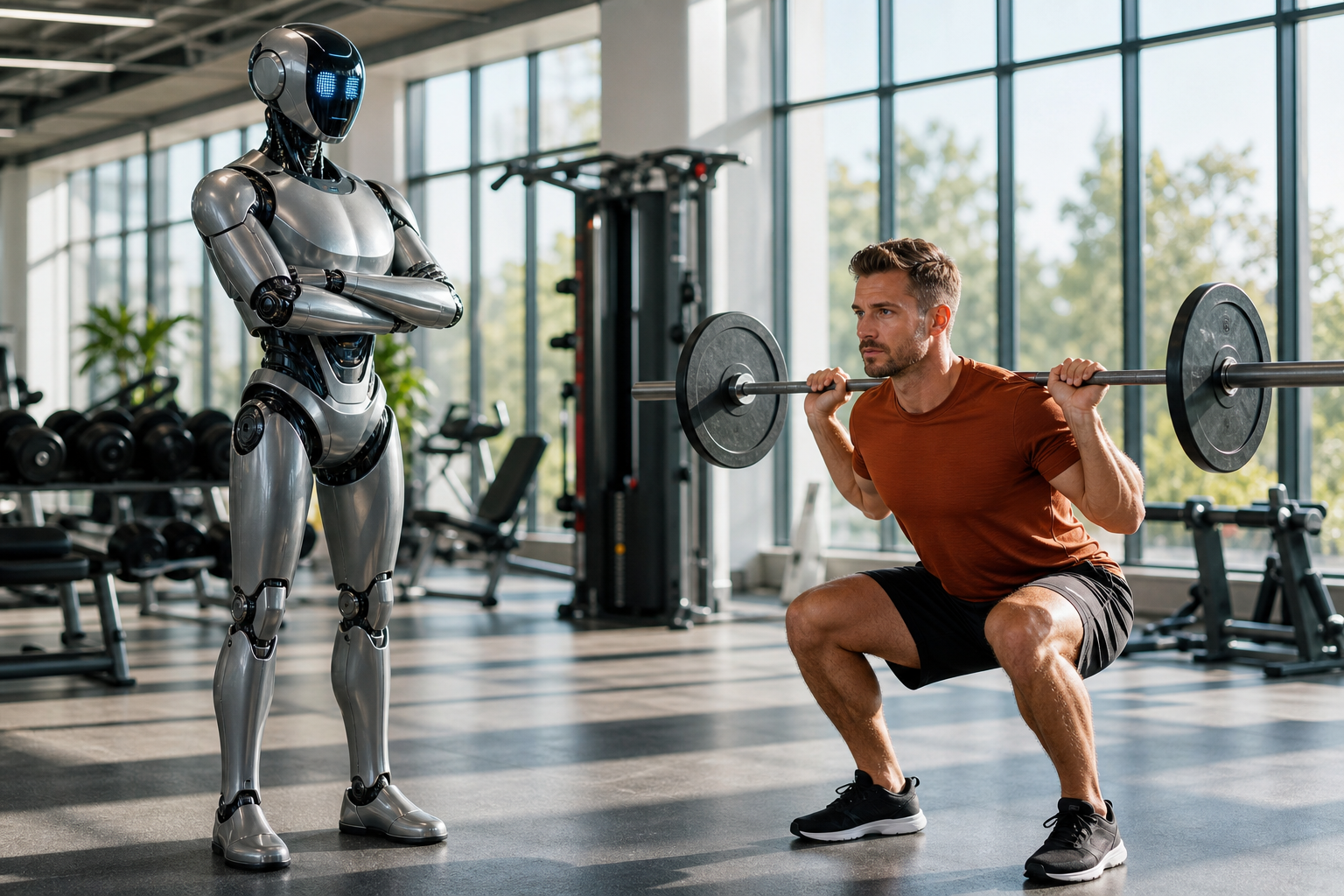
Artificial intelligence can build a workout in seconds.

People want their caffeine. We understand that.
