Even If You Don’t Get Hangovers, Alcohol Still Hits Your Immune System

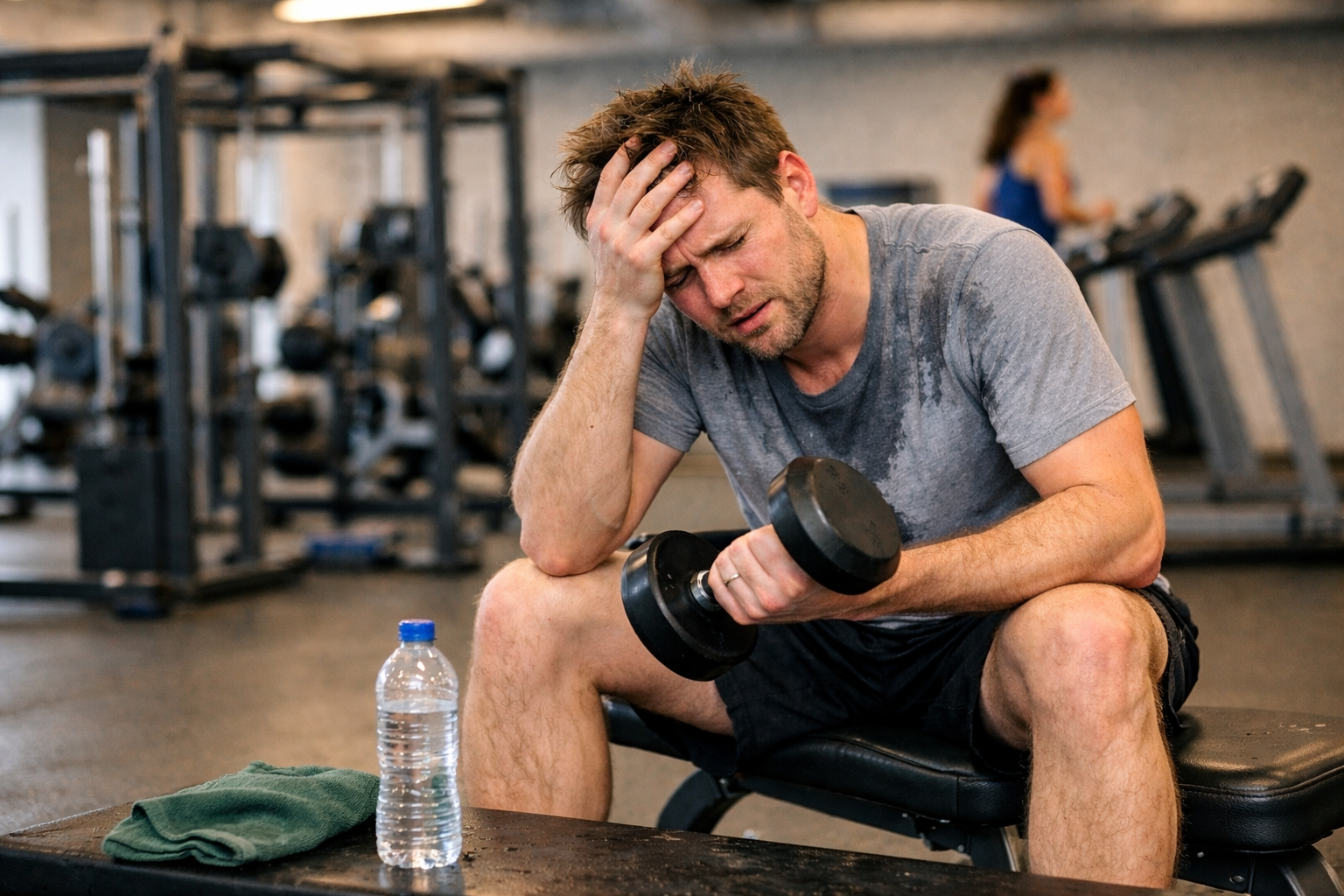
Many people judge how alcohol affects them by one simple metric: “Do I get a hangover?”
If the answer is no, it’s easy to assume alcohol doesn’t really impact your health or training. But emerging research suggests something important—and uncomfortable—about that assumption. A 2023 study published in Addictive Behaviors found that a single evening of alcohol consumption reduced next-day immune fitness in everyone—including people who reported no hangover symptoms at all.
What Is “Immune Fitness,” Anyway?
Immune fitness isn’t about whether you’re actively sick. It refers to your body’s capacity to respond to stress, repair tissue, fight infection, and maintain resilience.
Think of it like recovery capacity:
-
How well you bounce back
-
How prepared your body is for training stress
-
How efficiently you adapt instead of just survive
You can feel “fine” and still be operating at a reduced immune baseline.
The Study, in Plain English
Researchers studied young, healthy adults who drank alcohol freely on one evening and compared them to a non-drinking control day.
Participants fell into two groups:
- Hangover-sensitive (they usually feel bad after drinking)
- Hangover-resistant (they rarely or never feel hungover)
Here’s the key finding:
Both groups showed a significant drop in immune fitness the next day—even when no hangover was reported.
The hangover-sensitive group experienced a larger drop, but the hangover-resistant group still showed a measurable decline that lasted throughout the day, not just in the morning.
No Hangover ≠ No Impact
Interestingly, common inflammatory markers measured in saliva (like IL-6 and TNF-α) didn’t consistently spike. In other words, you can’t rely on obvious inflammation or symptoms to tell you how impacted you are.
Instead, immune fitness—how capable your body feels at handling stress—was the most sensitive signal.
This helps explain why people sometimes experience:
- Sluggish workouts
- Poor recovery
- Lower motivation
- Increased soreness
- Feeling “off” all day
…without ever labeling it a hangover.
Why This Matters for Training
From a performance and health perspective, alcohol acts like a recovery tax:
-
Reduced immune fitness = reduced ability to adapt to training
-
Less efficient tissue repair
-
Higher vulnerability to illness when stacked with stress, poor sleep, or under-fueling
And crucially: you don’t need to feel terrible for this effect to be real.
The Bigger Picture
This study reinforces something we see every day in the gym:
Health and performance aren’t just about what you do during your workout. They’re shaped by sleep, stress, nutrition—and yes, alcohol habits.
That doesn’t mean abstinence is required. But it does mean awareness matters, especially if:
- You train frequently
- You’re trying to improve body composition
- You’re managing stress, illness, or fatigue
- You care about long-term resilience
The FITNESS SF Takeaway
At FITNESS SF, we don’t coach perfection—we coach context.
Your trainer isn’t here to judge your lifestyle. They’re here to help you:
- Understand how your choices affect recovery
- Adjust training intelligently when your system is taxed
- Build habits that support consistency, not burnout
Because the goal isn’t just getting through today’s workout—it’s staying healthy, strong, and adaptable for years to come.
If you’re curious how your recovery, stress, and training load interact, a FITNESS SF assessment is a powerful place to start.