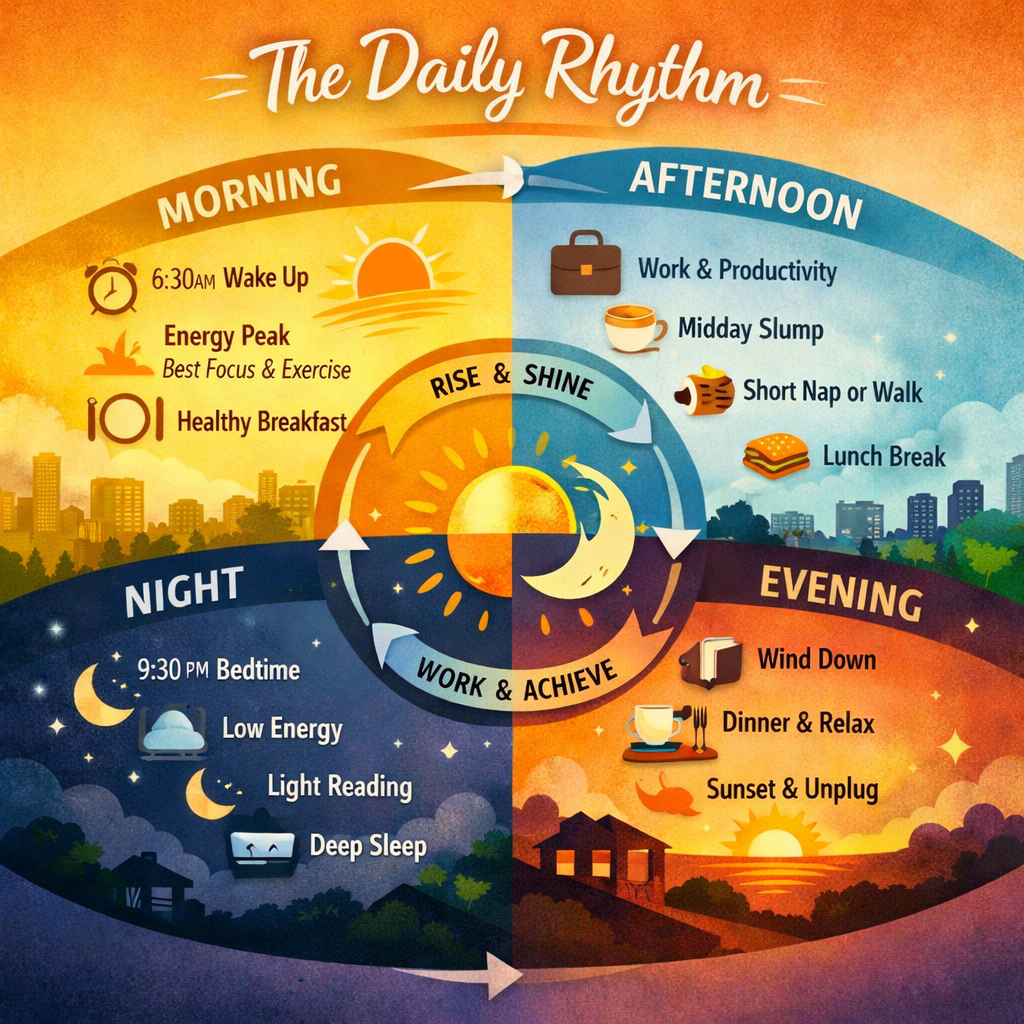
Your Daily Rhythm: The Most Underrated Tool for Health, Fat Loss, and Performance
You’ll hear the same conversations: what’s the best workout, what should I eat, should I be doing more cardio?
Posts about:
You’ll hear the same conversations: what’s the best workout, what should I eat, should I be doing more cardio?
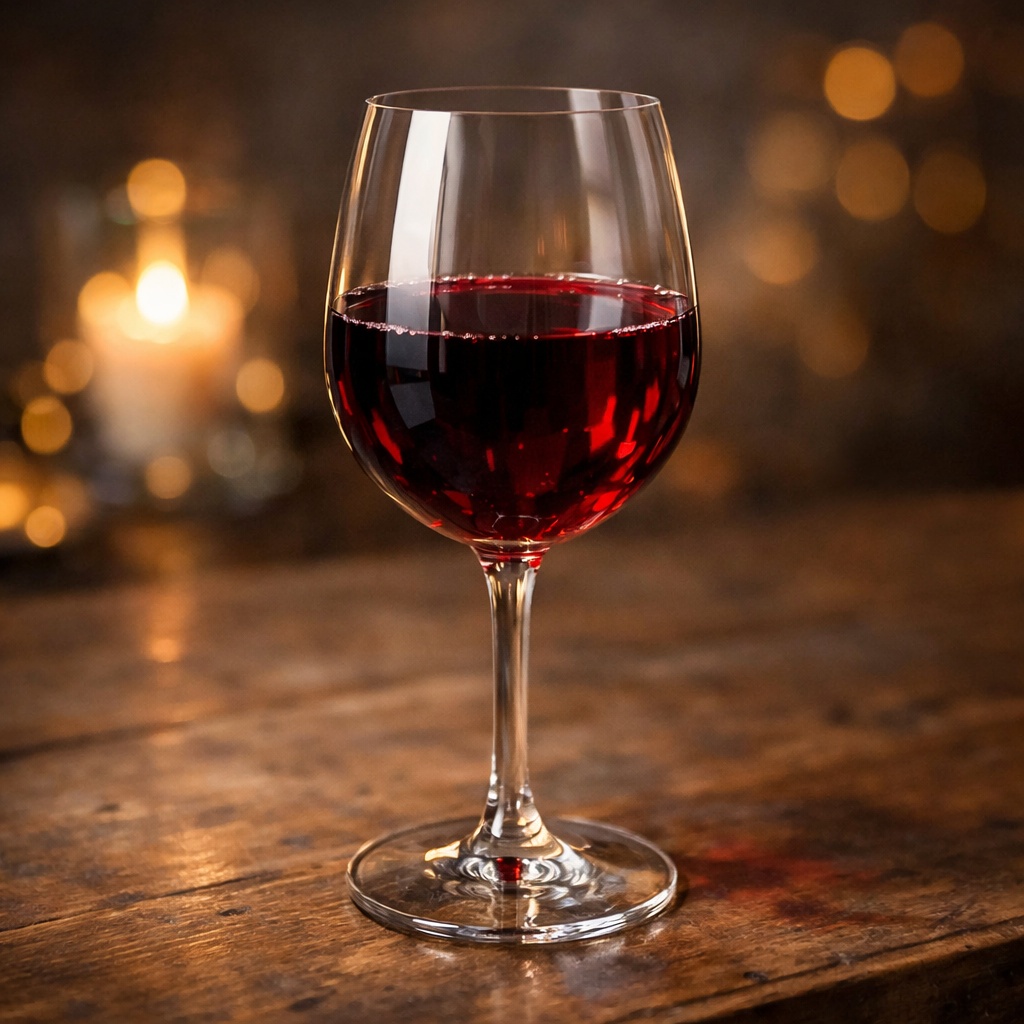
A lot of smart, disciplined people swear they sleep better after a drink.
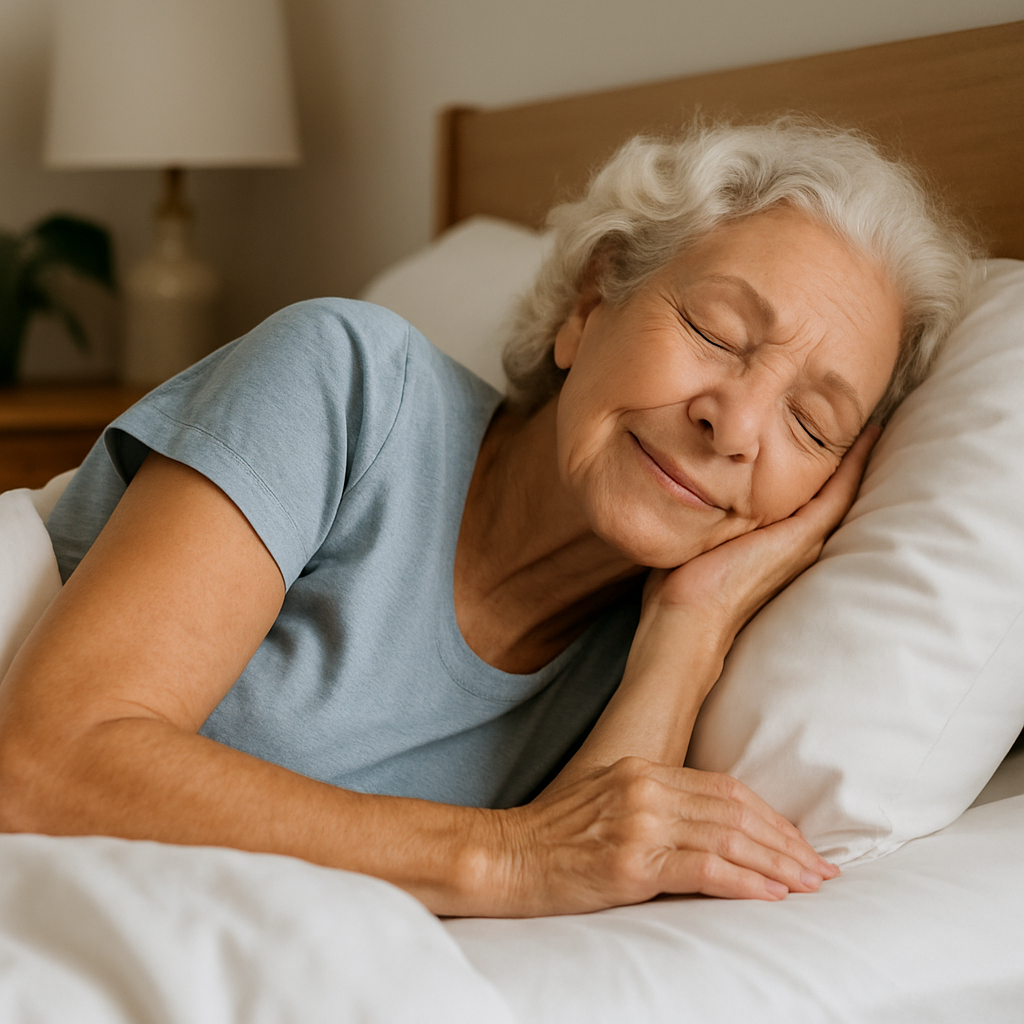
When most people think about sleep, they think about energy. They think about not feeling tired at work, having enough motivation to exercise, or avoiding that mid-afternoon crash. But modern neuroscience shows us something much more important: sleep is not just about feeling rested. It is one of the most powerful tools we have for protecting the long-term health of our brains.
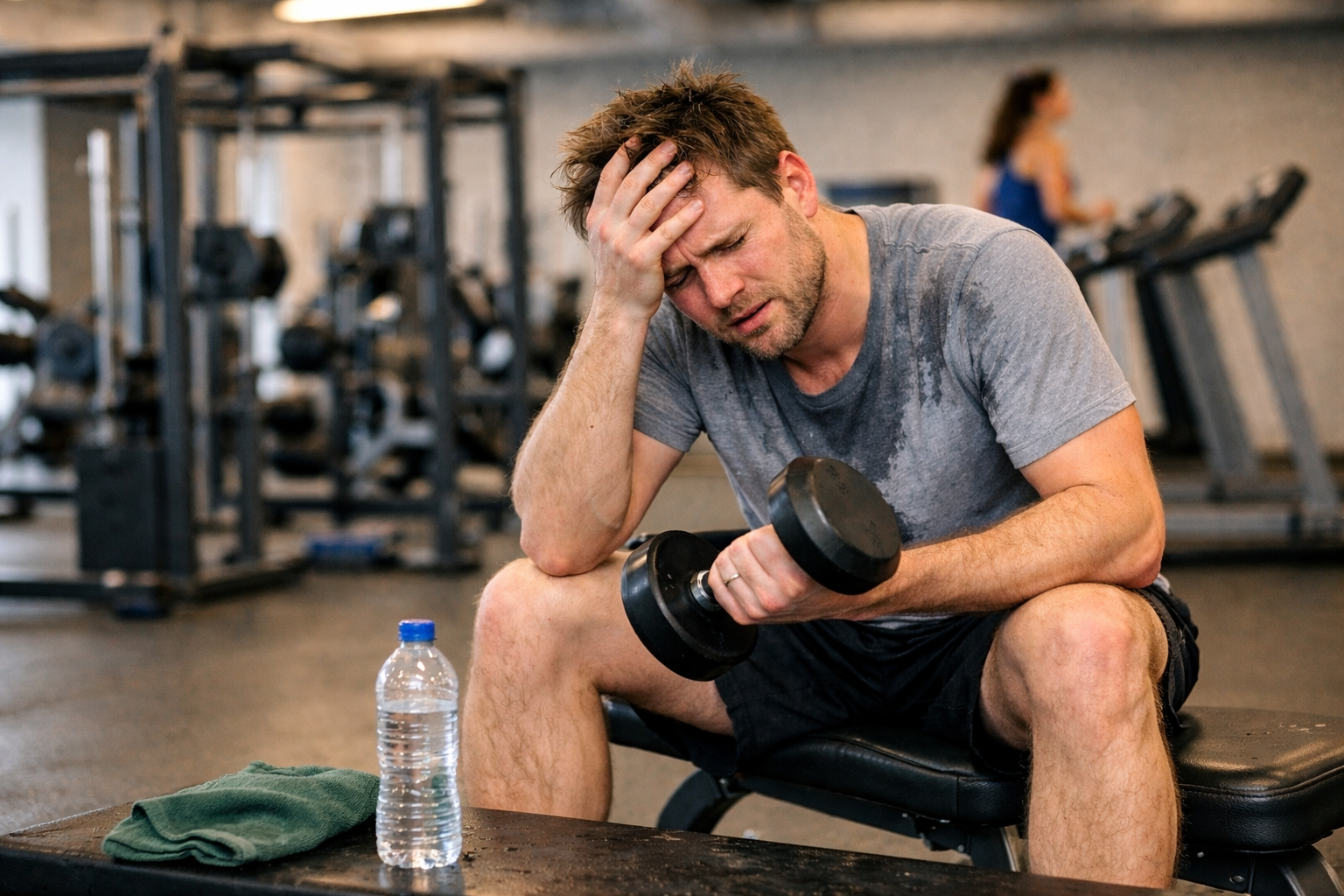
Many people judge how alcohol affects them by one simple metric: “Do I get a hangover?”
If the answer is no, it’s easy to assume alcohol doesn’t really impact your health or training. But emerging research suggests something important—and uncomfortable—about that assumption. A 2023 study published in Addictive Behaviors found that a single evening of alcohol consumption reduced next-day immune fitness in everyone—including people who reported no hangover symptoms at all.
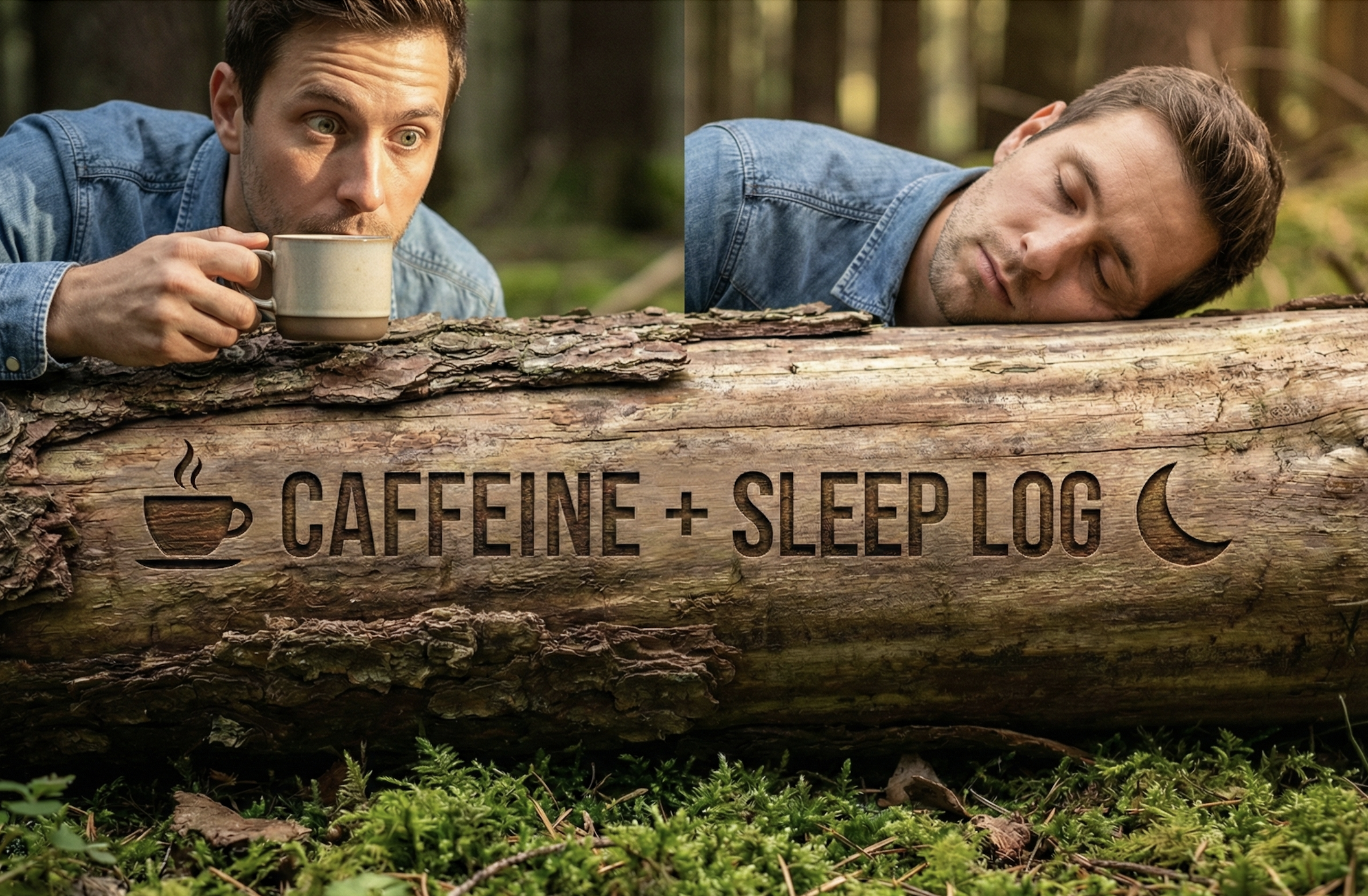
Most of us reach for coffee because we’re tired. But that fatigue often stems from the very thing caffeine disrupts the most: sleep. As both a physician and lifelong trainer, I’ve watched clients chase energy with caffeine… and then lose the recovery they desperately need.
