Energy Without Excess: FITNESS SF’s Approach to Energy Drinks
People want their caffeine. We understand that.
Posts about:
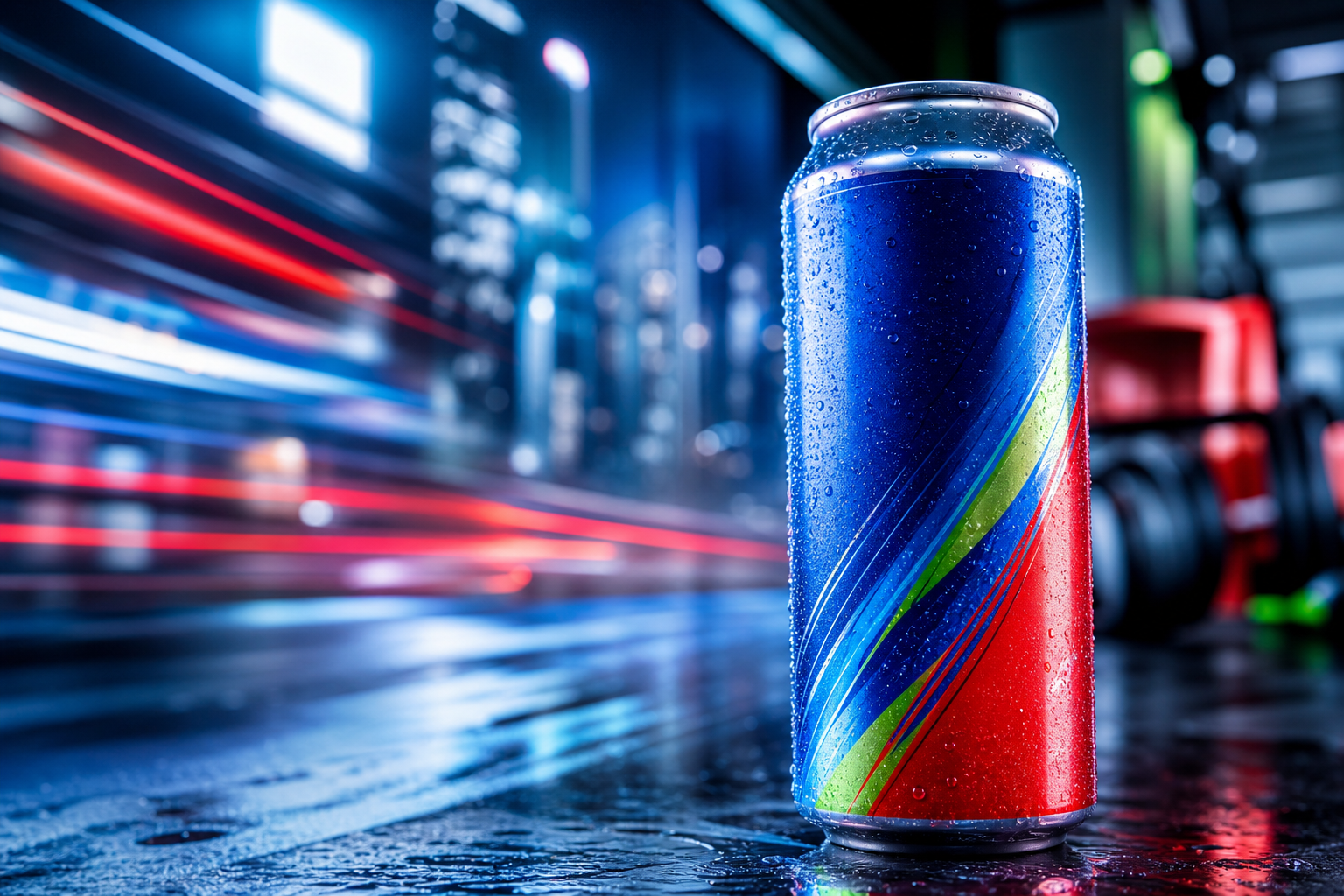
People want their caffeine. We understand that.
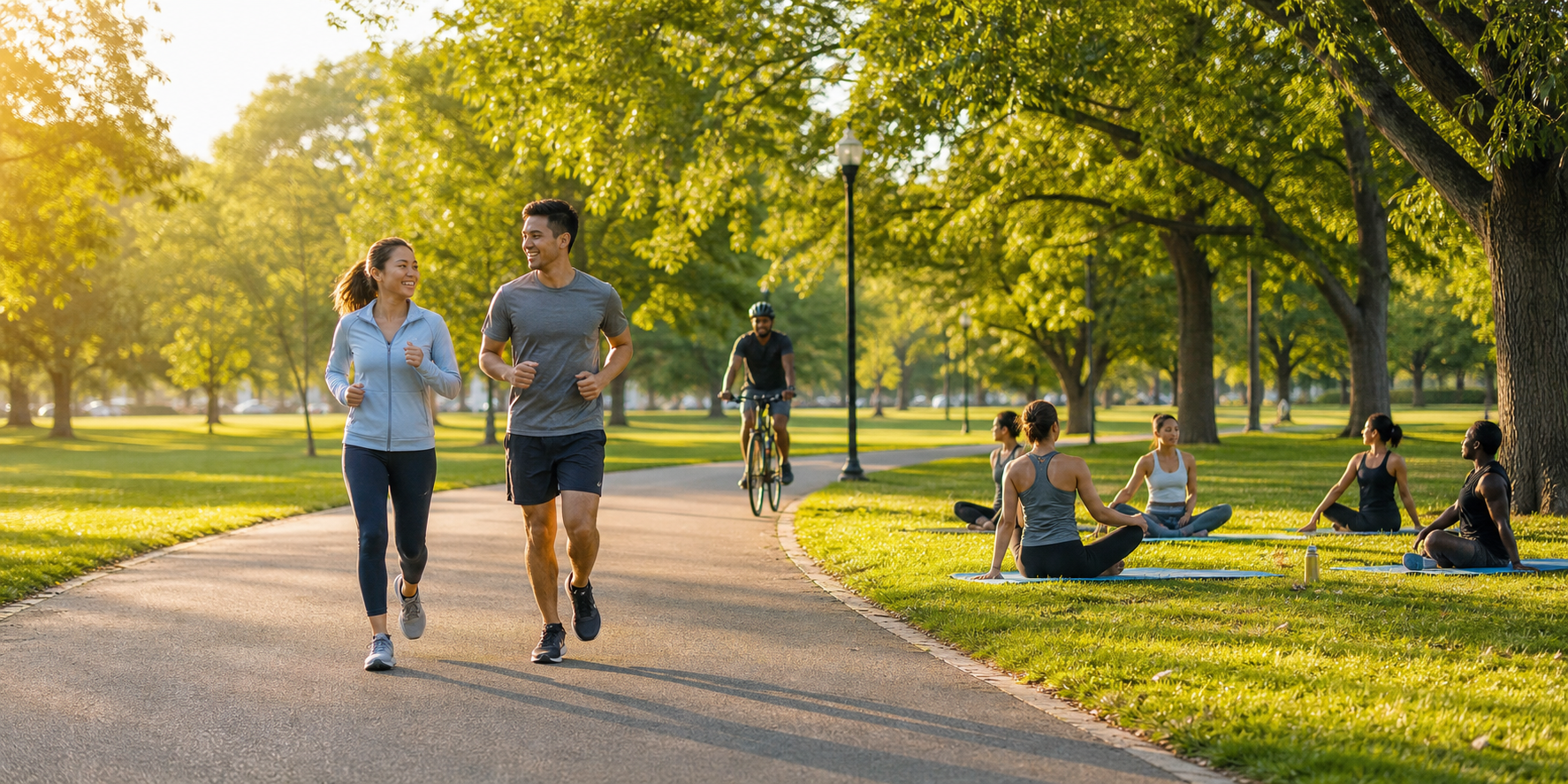
Every May, during National Physical Fitness and Sports Month, there is renewed public conversation about exercise, health, and longevity. That conversation matters, because the United States continues to face rising rates of obesity, metabolic disease, chronic pain, cardiovascular disease, depression, and loss of functional independence. Yet despite overwhelming evidence supporting physical activity as one of the most effective forms of preventive healthcare ever studied, structured exercise remains financially and logistically inaccessible for many Americans.

When most people think about sleep, they think about energy. They think about not feeling tired at work, having enough motivation to exercise, or avoiding that mid-afternoon crash. But modern neuroscience shows us something much more important: sleep is not just about feeling rested. It is one of the most powerful tools we have for protecting the long-term health of our brains.
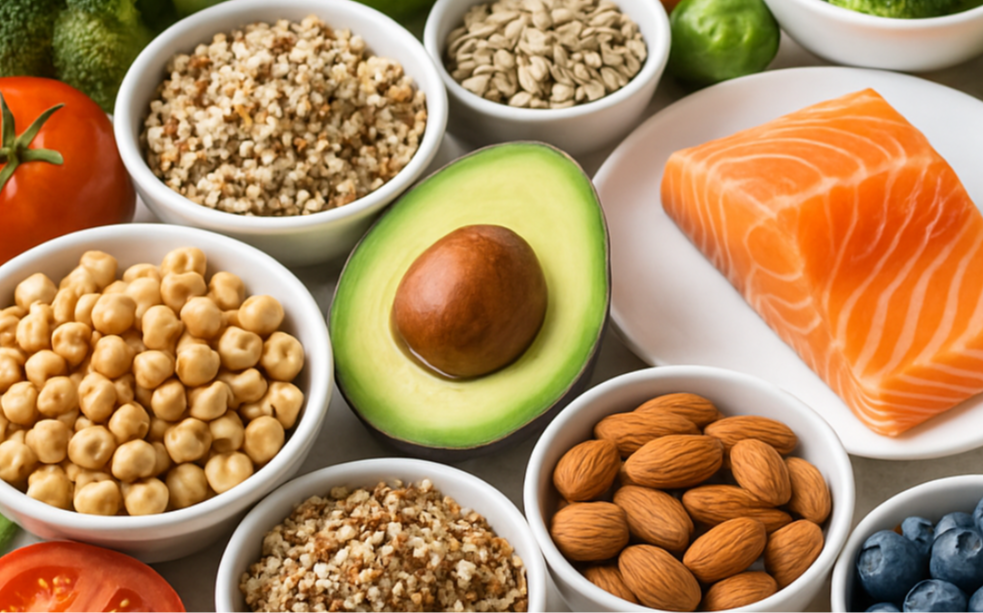
At FITNESS SF, we believe great results are built on three pillars: training, recovery, and nutrition. Most members invest time and energy into their workouts. Many improve their sleep. But nutrition? That’s where even highly motivated people often struggle.
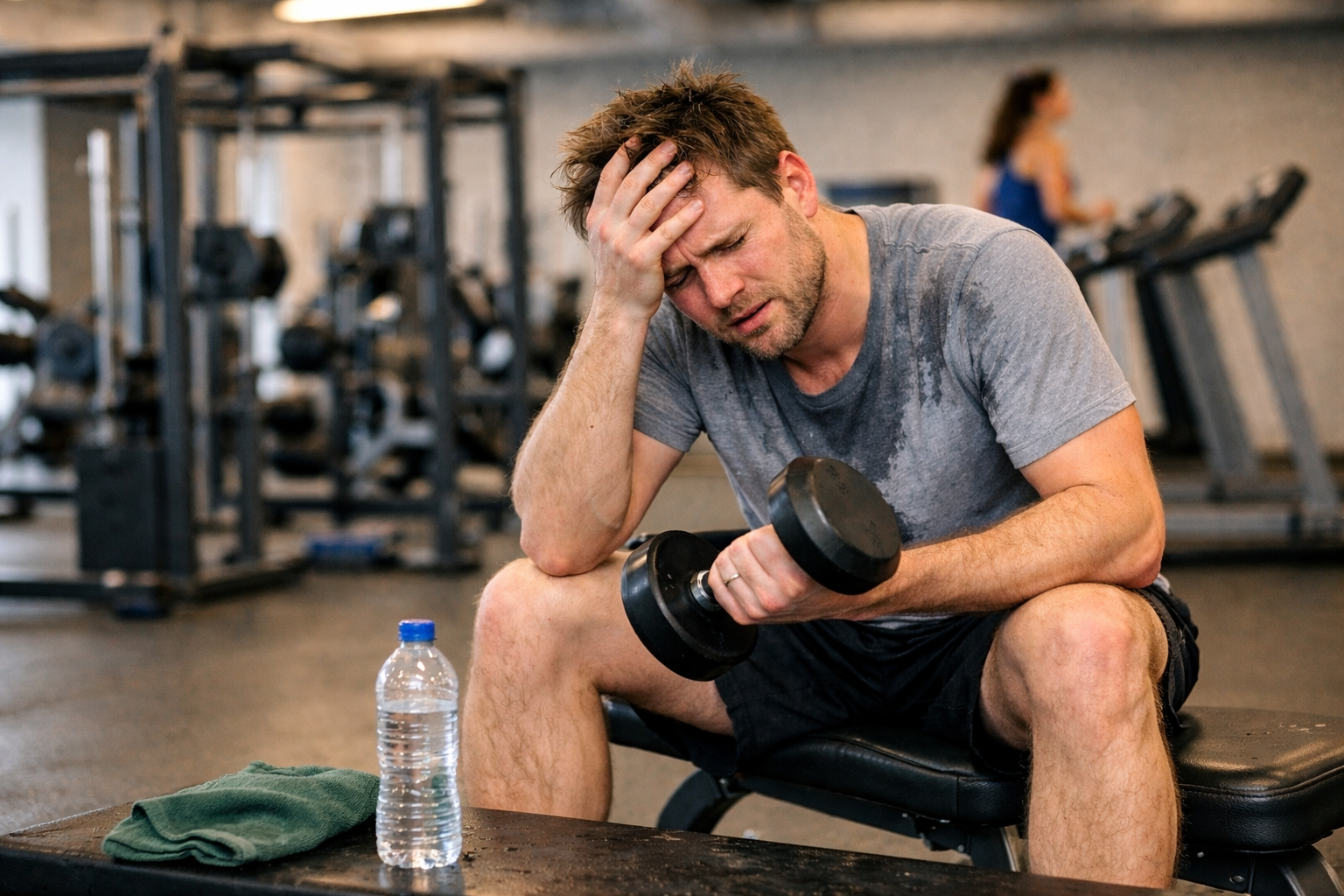
Many people judge how alcohol affects them by one simple metric: “Do I get a hangover?”
If the answer is no, it’s easy to assume alcohol doesn’t really impact your health or training. But emerging research suggests something important—and uncomfortable—about that assumption. A 2023 study published in Addictive Behaviors found that a single evening of alcohol consumption reduced next-day immune fitness in everyone—including people who reported no hangover symptoms at all.
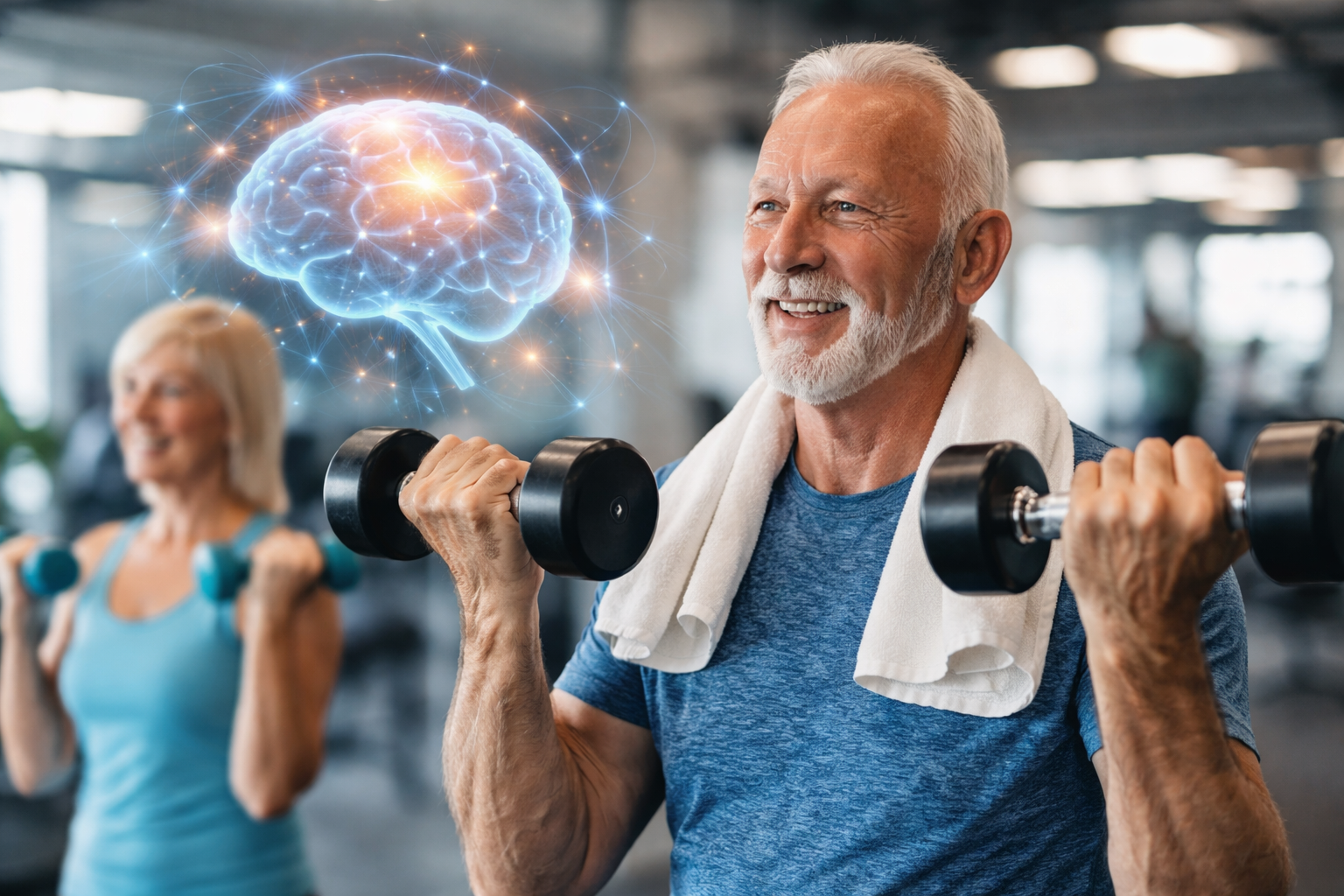
Parkinson’s disease isn’t rare. It is the second most common neurodegenerative disorder after Alzheimer's.
