
Every May, during National Physical Fitness and Sports Month, there is renewed public conversation about exercise, health, and longevity. That conversation matters, because the United States continues to face rising rates of obesity, metabolic disease, chronic pain, cardiovascular disease, depression, and loss of functional independence. Yet despite overwhelming evidence supporting physical activity as one of the most effective forms of preventive healthcare ever studied, structured exercise remains financially and logistically inaccessible for many Americans.
A recent opinion piece by Mike Goscinski argues that policymakers continue to underinvest in physical activity despite its proven impact on long-term health outcomes. The article highlights a reality that fitness professionals witness every day: many people genuinely want to exercise more, but barriers like cost, education, accountability, transportation, injury history, fear, or lack of confidence often stand in the way.
At FITNESS SF, we believe this conversation deserves more nuance than simply telling people to “work out more.”
The Healthcare System Often Waits Too Long
Much of modern healthcare is still structured around reacting to disease after it develops. We are exceptionally good at treating advanced pathology, but far less effective at building systems that help people maintain strength, cardiovascular fitness, mobility, metabolic health, balance, and resilience before major disease develops.
Physical activity influences nearly every major system in the body. Regular exercise has been associated with improved insulin sensitivity, lower blood pressure, reduced fall risk, improved mental health outcomes, preservation of lean muscle mass, healthier aging, improved sleep, and reductions in all-cause mortality. These effects are not theoretical. They are measurable, reproducible, and consistently supported across decades of research.
And importantly, exercise does not need to resemble elite athletics to matter.
For many adults, especially older adults or individuals returning to exercise after years away, meaningful progress may begin with walking tolerance, improved balance, learning to hinge correctly, increasing confidence around resistance training, or simply establishing consistency.

The Cost Barrier Is Real
One of the strongest points raised in the original article is that affordability continues to limit participation.
That reality is easy to dismiss from the outside, but anyone working in the fitness industry understands it intimately. For many households, gym memberships, personal training, transportation, childcare, and recovery time all compete against rent, groceries, and healthcare expenses.
Ironically, the populations that would benefit most from structured physical activity are often the least likely to access it consistently.
This creates a difficult cycle:
- Chronic disease increases
- Physical function declines
- Healthcare costs rise
- Exercise becomes physically and psychologically harder to begin
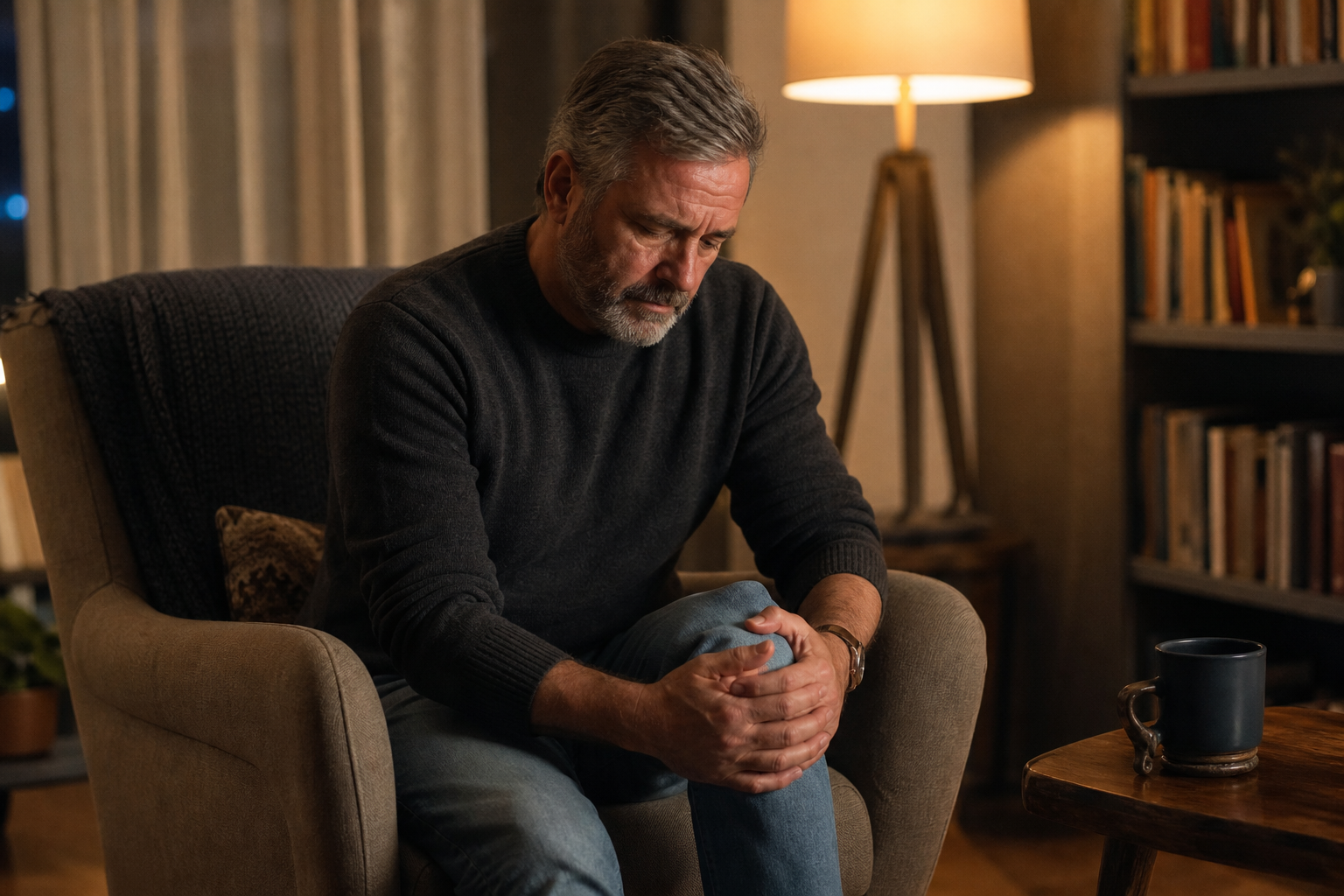
By the time many individuals finally seek help, they are often navigating pain, fear of injury, metabolic disease, orthopedic limitations, or profound deconditioning.
Fitness Professionals Are Becoming Part of the Preventive Health Conversation
 The role of the modern fitness professional is evolving.
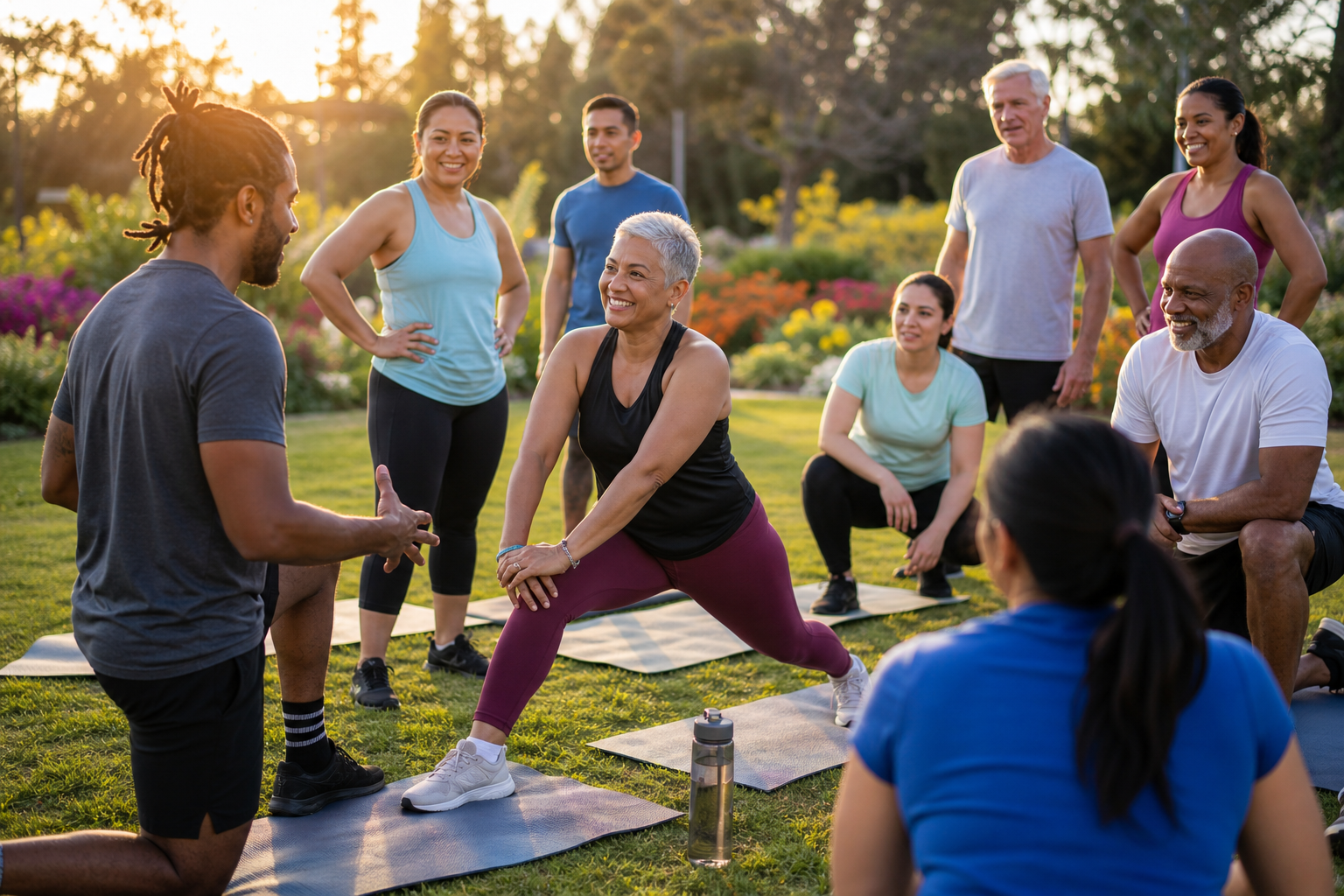
The best trainers today are not simply counting repetitions or delivering random workouts. Increasingly, they are helping clients improve movement quality, develop sustainable habits, manage stress, build physical confidence, improve adherence, and maintain long-term consistency.
At FITNESS SF, we strongly believe that high-quality coaching matters. Exercise is not merely “burning calories.” The process of helping someone safely progress from inactivity toward long-term physical competence requires observation, communication, behavior change skills, empathy, and programming strategy.
For some members, success means improving athletic performance. For others, it means being able to hike again, avoid falls, reduce joint discomfort, improve energy levels, or maintain independence later in life.
Those goals deserve serious professional support.
Small Changes at Scale Matter
One of the most important ideas in the original article is that America may not need a completely new system to improve public health.
In many ways, the infrastructure already exists.
There are gyms, trainers, coaches, walking groups, recreational facilities, community programs, and health-oriented organizations operating across the country right now. The challenge is improving access, affordability, education, and long-term engagement.
Policies that allow greater use of HSAs or FSAs for exercise-related expenses, stronger employer wellness support, improved access for older adults, or broader recognition of physical activity as preventive healthcare could meaningfully improve participation.
But culture matters too.
A healthier society is not built through shame, perfectionism, or unsustainable extremes. It is built when movement becomes more approachable, more supported, more social, and more integrated into everyday life.
The Goal Is Not Perfection — It Is Participation
One of the biggest misconceptions about fitness is that exercise only “counts” if it is intense, aesthetic-driven, or highly optimized.
In reality, some of the greatest long-term health gains come from simply helping more people participate consistently.
Walking more.
Strength training twice per week.
Improving balance.
Sleeping better.
Building aerobic capacity gradually.
Learning how to move without fear.
These changes compound over time.
At FITNESS SF, we believe fitness should not feel exclusive or intimidating. We believe exercise is one of the most powerful tools available for improving quality of life, and that more people deserve access to competent coaching, supportive environments, and sustainable approaches to movement.
Because physical activity is not simply recreation.
For many people, it is healthcare.
This article was inspired by “America Has a Healthcare Solution Policymakers Are Ignoring” by Mike Goscinski, published by DC Journal / InsideSources on May 7, 2026.
The content on this blog was written with the assistance of AI and is provided for general informational purposes only. It does not constitute medical advice. No responsibility or liability is assumed for any actions taken based on the information provided.