You’re Not Just Training for Now
When you’re in your 20s, fitness usually has an immediate goal.

Posts about:
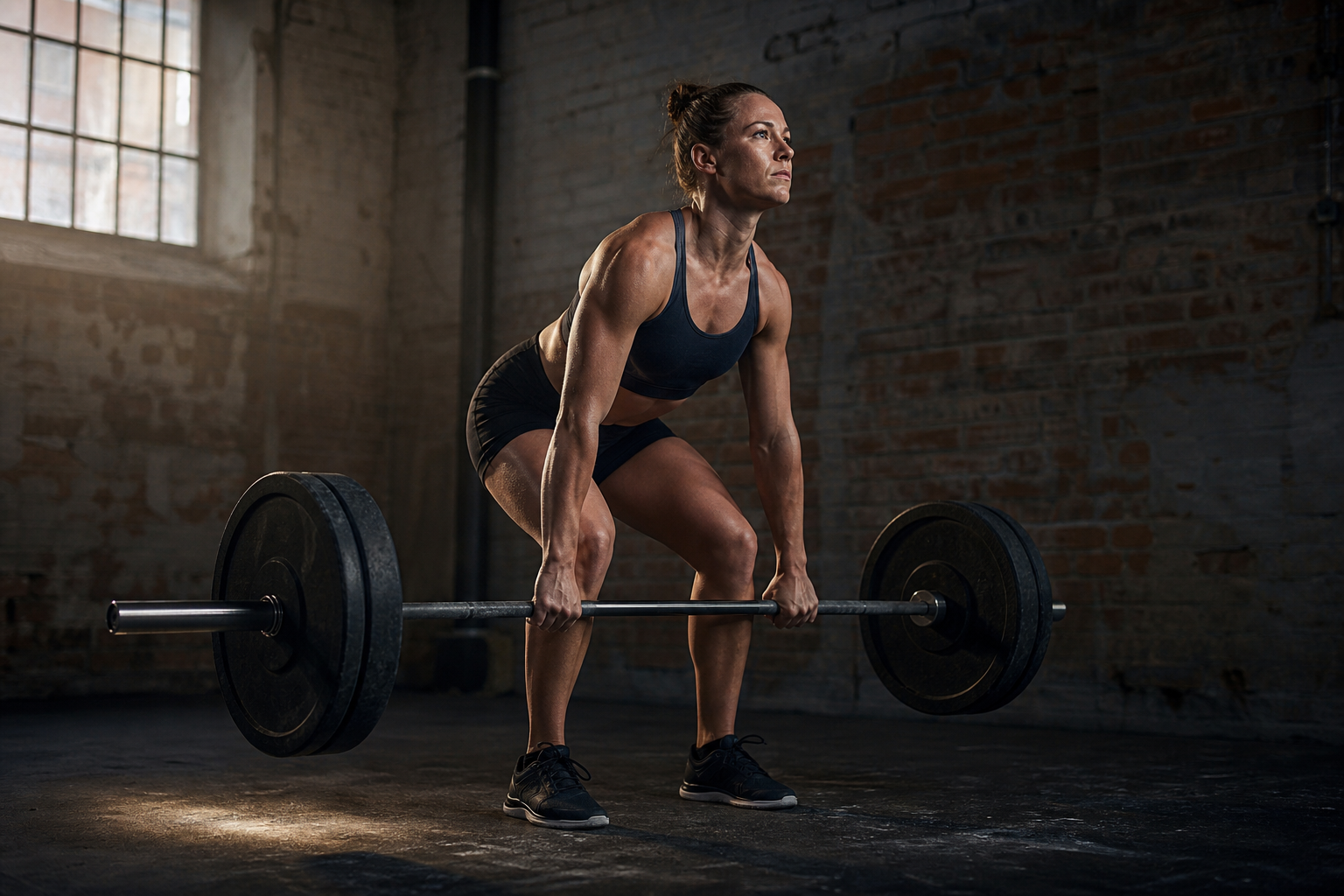
When you’re in your 20s, fitness usually has an immediate goal.
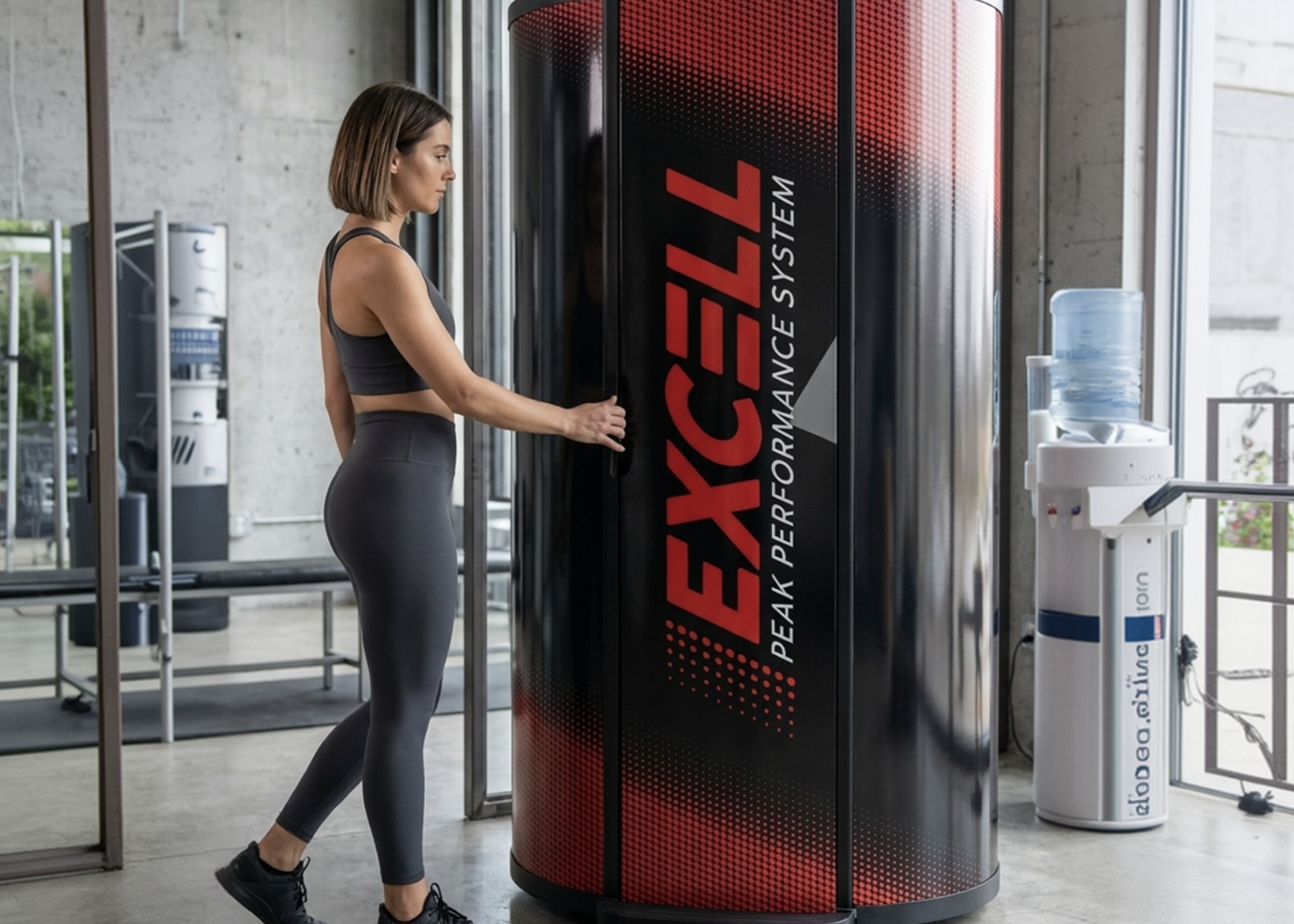
Full-body red light therapy uses specific red and near‑infrared wavelengths to support muscle recovery, circulation, and skin health without heat or invasive procedures. You step into a stand‑up EXCELL booth for about 10 minutes, exposing your entire body to calibrated light that helps your cells produce more energy and bounce back from training.
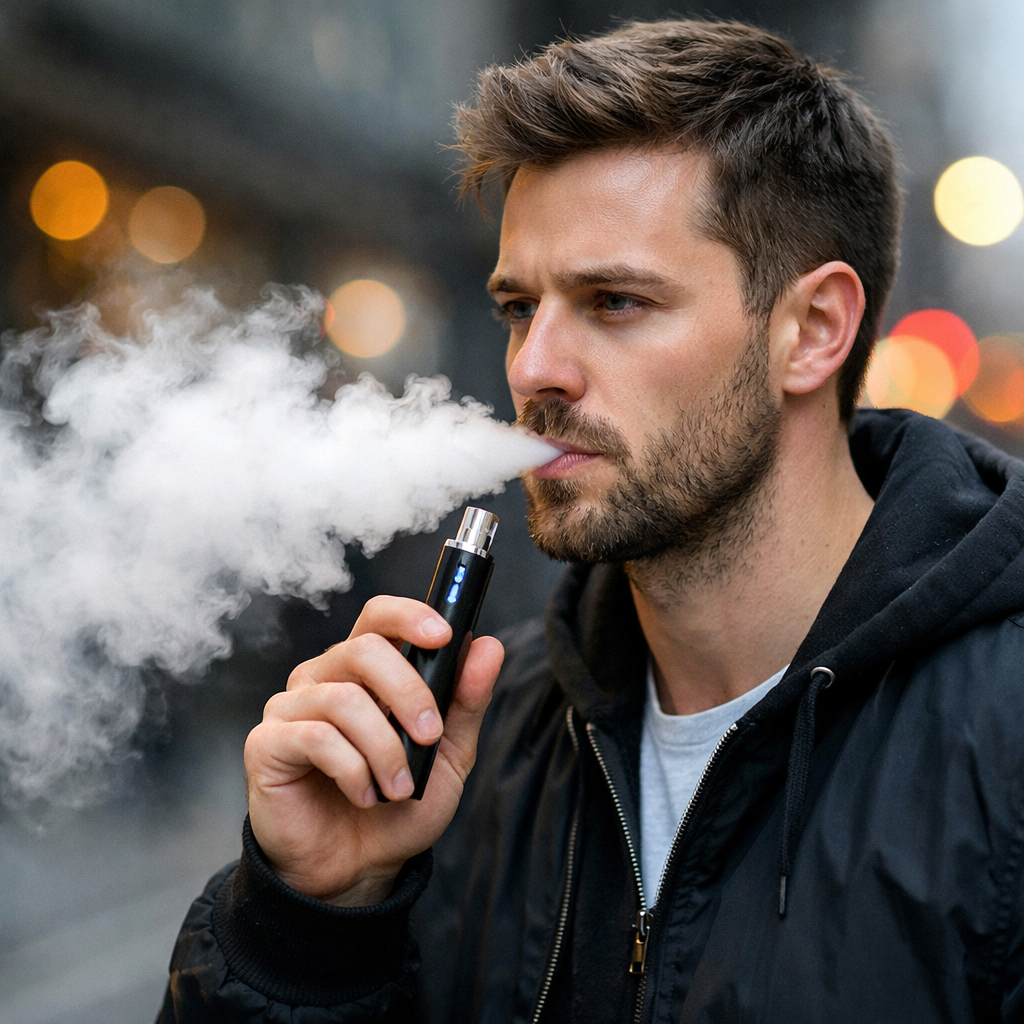
Walk anywhere, and you’ll see it—vapes everywhere. Sleek, discreet, and widely accepted, they’ve become part of the modern landscape, often framed as a cleaner, safer alternative to smoking.
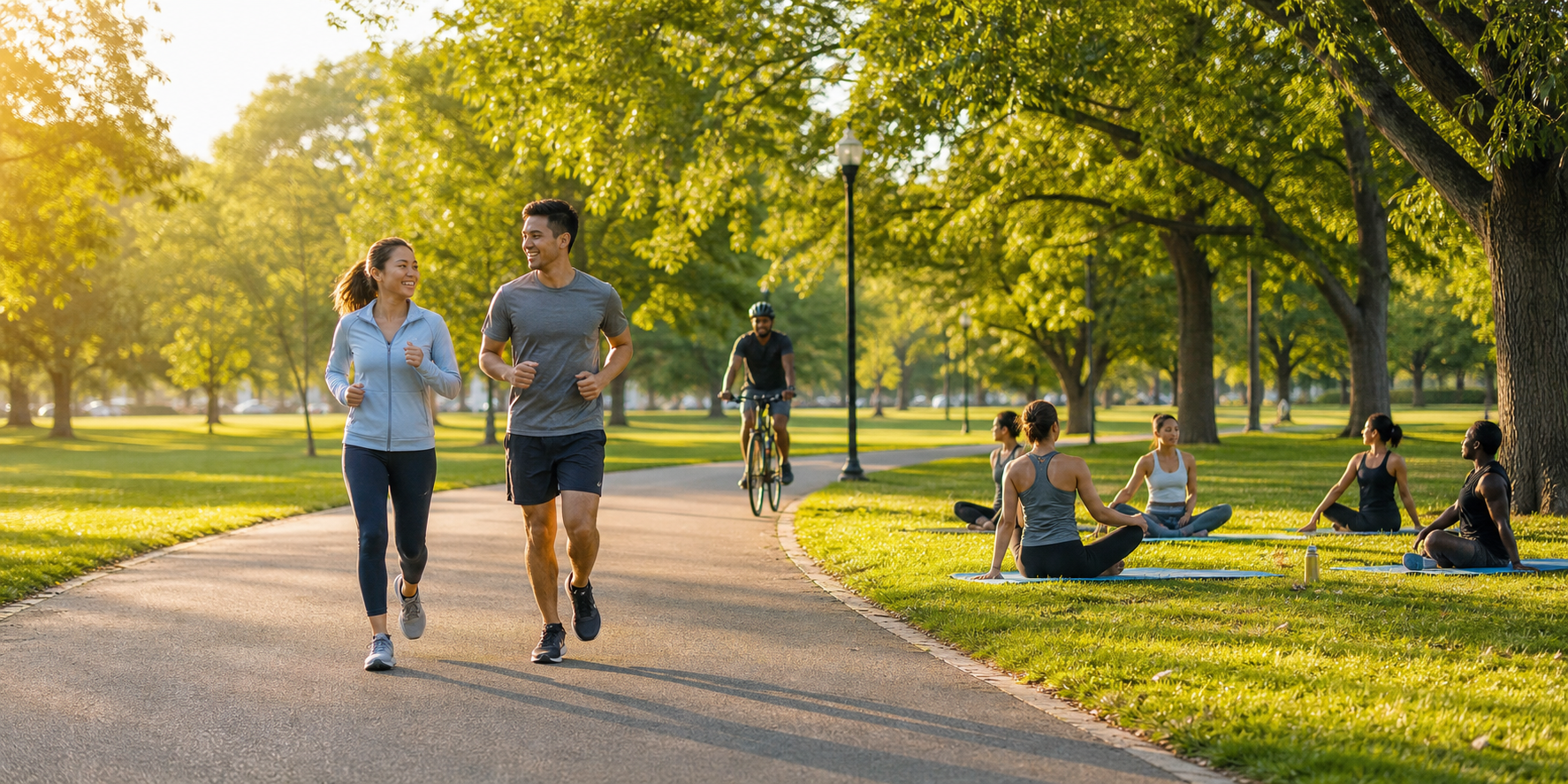
Every May, during National Physical Fitness and Sports Month, there is renewed public conversation about exercise, health, and longevity. That conversation matters, because the United States continues to face rising rates of obesity, metabolic disease, chronic pain, cardiovascular disease, depression, and loss of functional independence. Yet despite overwhelming evidence supporting physical activity as one of the most effective forms of preventive healthcare ever studied, structured exercise remains financially and logistically inaccessible for many Americans.

Stand up for a moment and take a breath.
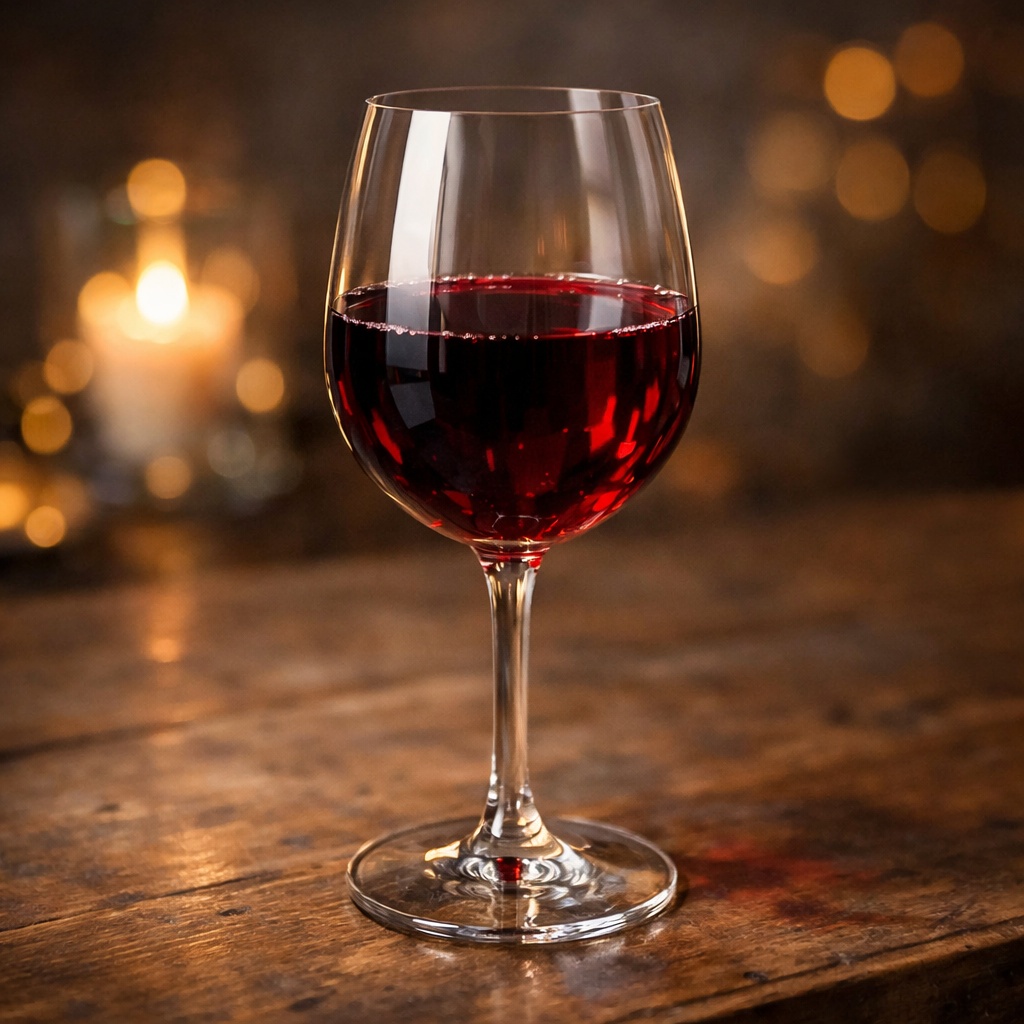
A lot of smart, disciplined people swear they sleep better after a drink.
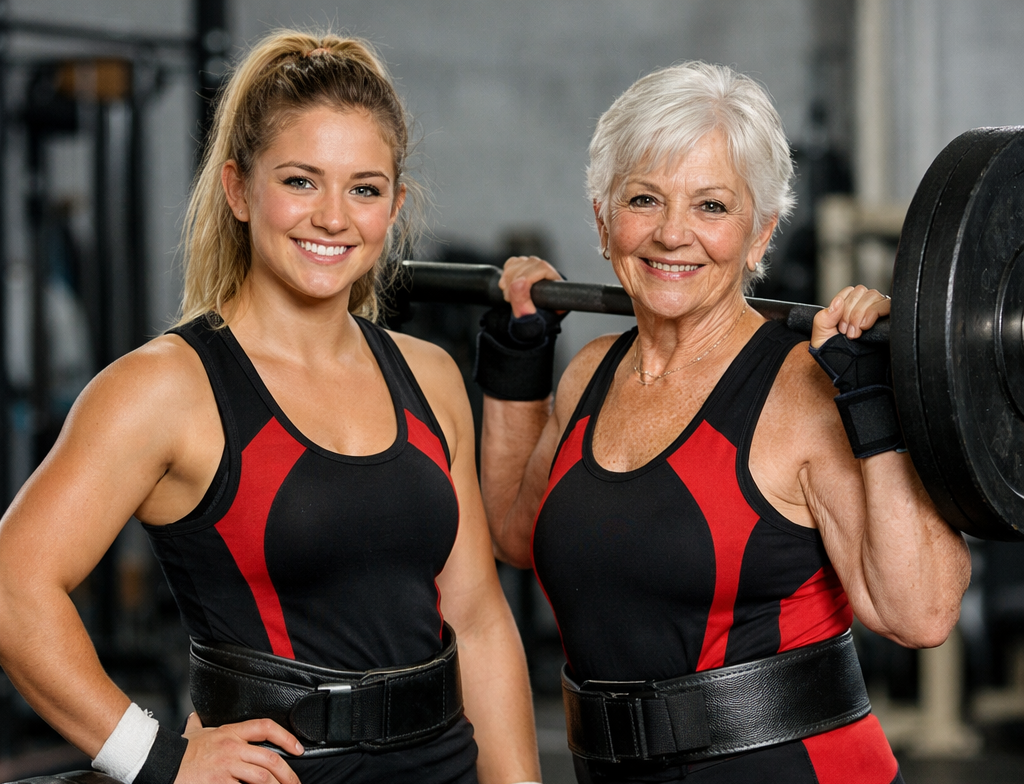
Aging changes the body — but decline is not inevitable.

When most people think about sleep, they think about energy. They think about not feeling tired at work, having enough motivation to exercise, or avoiding that mid-afternoon crash. But modern neuroscience shows us something much more important: sleep is not just about feeling rested. It is one of the most powerful tools we have for protecting the long-term health of our brains.
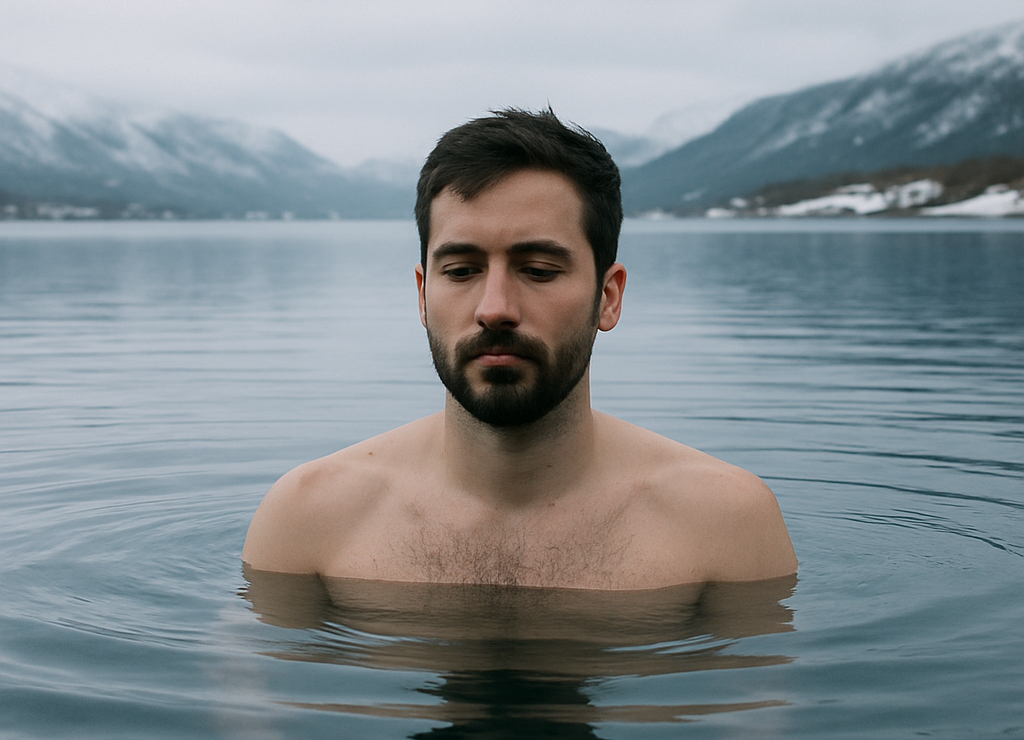
Cold-water exposure may feel like a modern wellness trend, but it’s anything but new. Long before ice baths showed up on social media, cold water was woven into health practices across cultures. Ancient Greeks prescribed cold baths for vitality. Nordic countries paired cold plunges with saunas for resilience and recovery. In Japan, cold-water immersion has long been part of physical and spiritual discipline. Even early Western medicine viewed cold exposure as a way to sharpen the mind and strengthen the body.
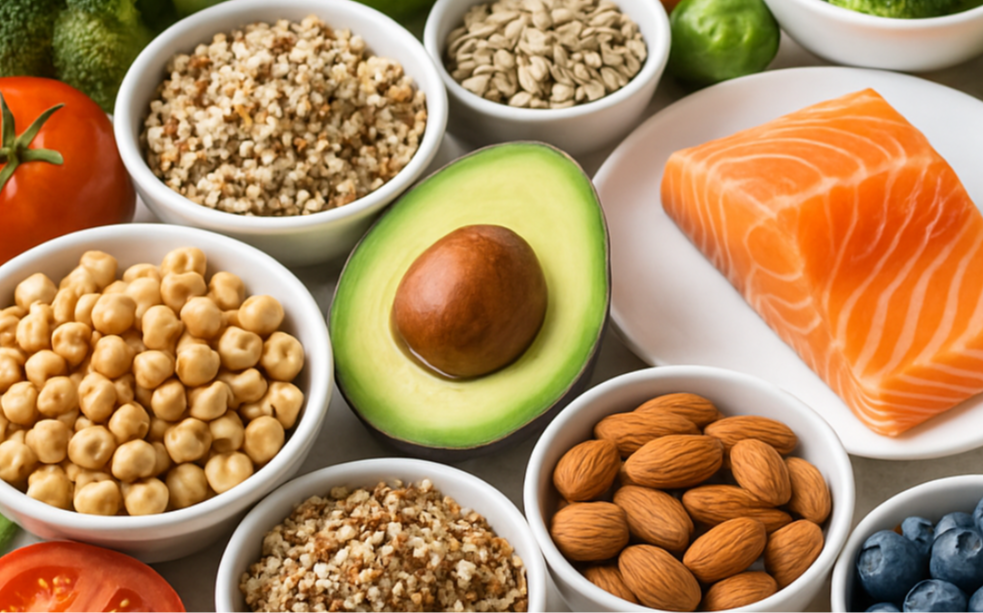
At FITNESS SF, we believe great results are built on three pillars: training, recovery, and nutrition. Most members invest time and energy into their workouts. Many improve their sleep. But nutrition? That’s where even highly motivated people often struggle.

