
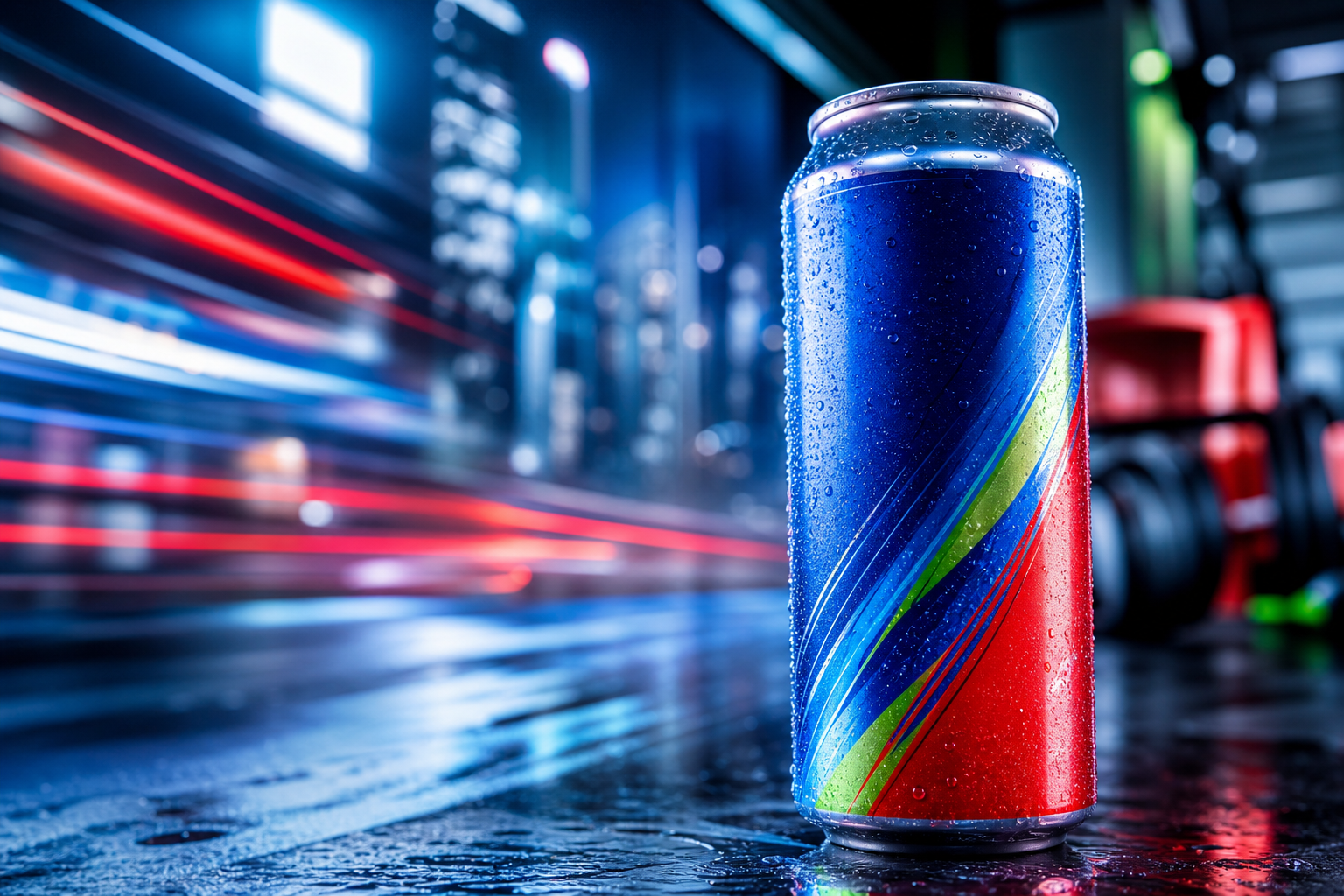
People want their caffeine. We understand that.
Caffeine can improve alertness, reduce perceived fatigue, and—in appropriate doses—support exercise performance. But more is not always better, particularly when hundreds of milligrams are concentrated in a single beverage and consumed immediately before a strenuous workout.
At FITNESS SF, we want to create an environment where making the healthier choice is also the easier choice. That responsibility extends beyond our equipment and training programs to the products we make available inside our gyms.
What the medical organizations say
We reviewed guidance and research from the American College of Cardiology, the American Academy of Pediatrics, and the American College of Sports Medicine. Although each organization approaches the subject from a different clinical perspective, their conclusions are well aligned: energy drinks warrant caution, especially when they contain high doses of caffeine, are consumed rapidly, or are used by children and adolescents.
The FDA identifies 400 milligrams per day as an amount not generally associated with negative effects for most healthy adults. However, that is a total daily amount—not a recommendation to consume 400 milligrams at once. Individual responses also vary substantially based on body size, caffeine tolerance, medications, medical conditions, pregnancy, and how quickly a person metabolizes caffeine. Read the FDA’s caffeine guidance.
Recent guidance from the American Heart Association similarly distinguishes moderate caffeine consumption—most often studied in coffee—from the high doses found in some energy drinks and shots. Its scientific statement notes that evidence surrounding high-dose energy drinks is more limited and generally points toward cardiovascular harm. Read the American Heart Association scientific statement.
High caffeine intake can cause increased heart rate, elevated blood pressure, palpitations, anxiety, jitters, nausea, headaches, and disrupted sleep. The cardiovascular effects are especially relevant in a fitness setting, where an energy drink may be consumed immediately before or during strenuous exercise.
The American College of Sports Medicine has also raised concerns about adverse effects associated with energy drinks. Its consumer guidance emphasizes that most people eating appropriately for their training and recovery do not need energy drinks to exercise effectively. For workouts lasting less than an hour, water is generally the better choice. Read the ACSM guidance on exercise and energy drinks.
Energy drinks are not sports drinks
Despite the similar marketing, energy drinks and sports drinks serve different purposes.
Sports drinks are primarily intended to provide fluid, carbohydrates, and electrolytes during prolonged or vigorous activity. Energy drinks are stimulant-containing products designed to increase alertness and reduce the perception of fatigue. They are not interchangeable—and an energy drink should not be treated as a hydration strategy.
This distinction is particularly important for younger athletes. The American Academy of Pediatrics has concluded that stimulant-containing energy drinks have no place in the diets of children and adolescents. Read the AAP clinical report.
A responsible FITNESS SF standard
FITNESS SF will not carry energy drinks containing 300 milligrams or more of caffeine per container. We will also limit purchases to one energy drink at a time and will not sell energy drinks to anyone under 18.
To be clear, 300 milligrams is still a substantial single dose of caffeine. A more conservative ceiling of 200 milligrams may ultimately be preferable. For now, the 300-milligram limit establishes a meaningful boundary while preserving reasonable choices for adults who want caffeine before their workouts. A purchase limit of one energy drink is also important; a caffeine ceiling per can accomplishes little if several cans can be purchased and consumed in quick succession.
Building an environment that supports health
FITNESS SF aims to distinguish itself through professionalism, social responsibility, and our role as a health steward of the Bay Area.
Health stewardship does not mean making every personal decision for our members. It means considering whether the environment we create supports—or undermines—the health outcomes we encourage people to pursue.
Our members come to FITNESS SF to become stronger, healthier, and more resilient. The products available inside our clubs should reflect that purpose. We can offer choice without promoting excess, and we can respect adult autonomy while establishing responsible limits.
The easiest choice in a fitness environment should be one that moves you closer to health—not one that works against it.
*The content on this blog was written with the assistance of AI and is provided for general informational purposes only. It does not constitute medical advice. No responsibility or liability is assumed for any actions taken based on the information provided.