How Heavy, How Often, How Many Sets? What 192 Studies Say About Getting “Stronger”

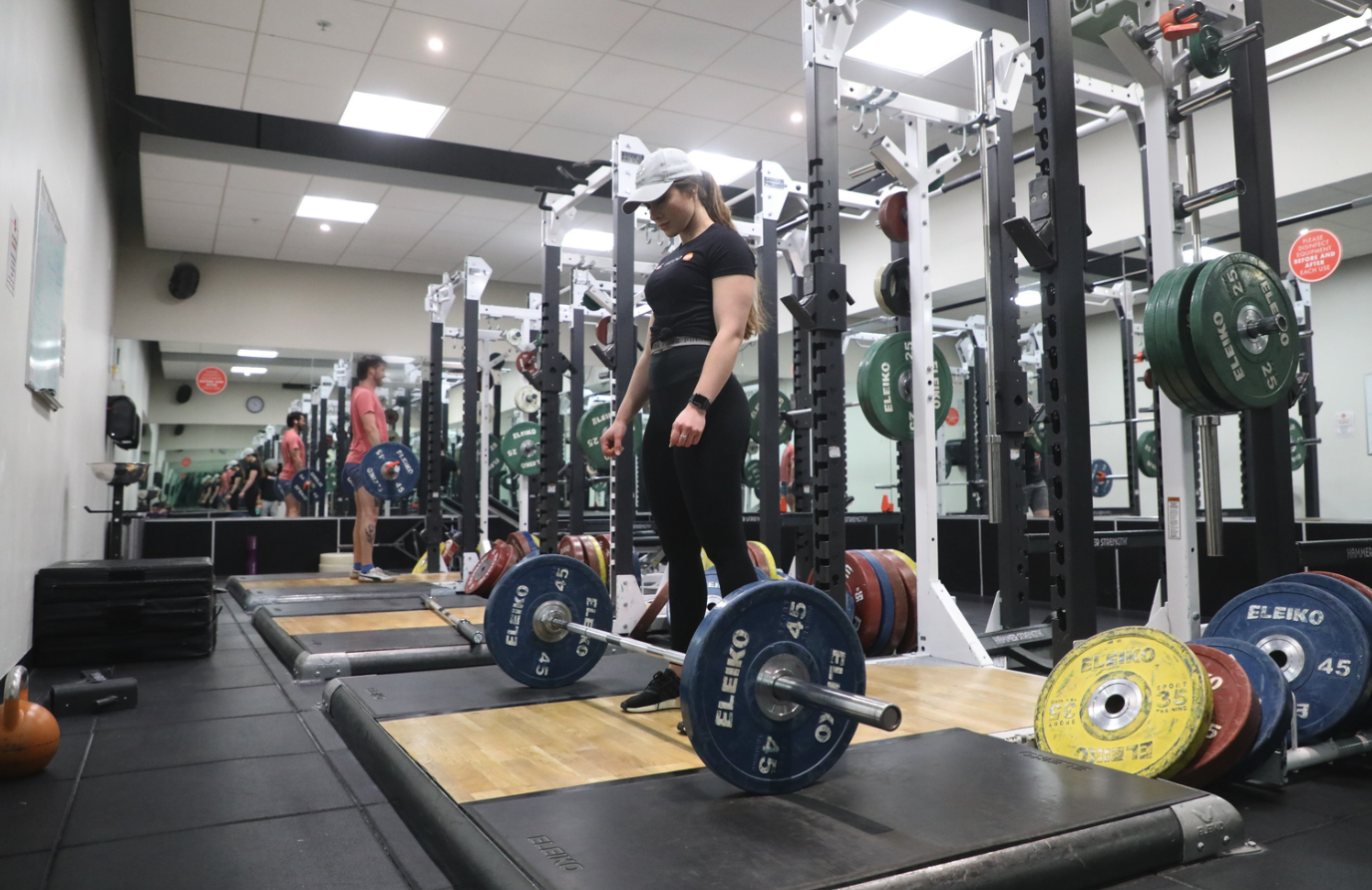
When a new or returning member sits down with me at FITNESS SF, I’ll often hear
“I just want to get stronger.”
So I’ll ask:
-
“What do you mean by stronger?”
-
“Do you want to physically lift as much weight as possible?”
-
“Do you want to take up more space — more muscle, more shape?”
-
“Or do you want to move real-life loads in odd positions with more ease — groceries, kids, luggage, that weird couch?”
Most of the time, people haven’t thought deeply about it. They just know they want life to feel easier, their body to feel more capable, and their workouts to “count.”
That’s where some really good science can help.
What did this study actually look at?
A 2023 paper in the British Journal of Sports Medicine pulled together 192 randomized trials of resistance training — over 5,000 adults — to see how different lifting styles affect:
-
Strength
-
Muscle size (hypertrophy)
-
Physical function (things like mobility and walking speed in older adults)
Crucially, this was not a study of Navy SEALs, Olympians, or people with major health conditions. They intentionally excluded:
-
Elite athletes
-
Military personnel
-
People with serious chronic diseases or injuries
In other words, this is a study about normal, generally healthy adults — the average Joe and Jane who walk into FITNESS SF.
Everyone in these trials did supervised resistance training (machines, free weights, or both) at least once per week for 6+ weeks. The researchers compared different combinations of:
-
Load – heavier vs lighter
-
Sets – single set vs multiple sets
-
Frequency – 1, 2, or 3+ sessions per week
Then they used advanced statistics to compare all the different programs to each other and to people who didn’t lift at all.
Big Takeaway #1: Anything is better than nothing
Across the board, every resistance training program beat doing nothing for:
-
Strength
-
Muscle size
-
And in older adults, things like mobility and walking speed improved too
Some combinations performed a bit better than others, but there was one clear, simple message:
If you’re lifting at all, you’re already doing something powerful for your body.
For people who feel intimidated by “perfect” programs or complicated rules, this is huge. You do not have to earn your way into the weight room with prior knowledge. If you show up and consistently challenge your muscles, you’re winning.
Big Takeaway #2: Heavier weights help max strength, more sets help muscle size
The research did see some patterns:
-
Programs using heavier loads (around 80%+ of a max effort) tended to come out on top for maximal strength — how much weight you can move for a low number of reps.
-
Programs using multiple sets tended to do best for muscle size.
But here’s the key: for most everyday lifters, the differences between sensible programs were small compared to the difference between lifting vs not lifting.
That means two important things:
-
You don’t have to chase the “perfect” set/rep formula to see real changes.
-
Your preferences and lifestyle matter more than squeezing out that last 2–3% advantage.
If you hate heavy loading, we can bias your program toward slightly lighter, higher-rep work and more sets. If you love feeling strong under a barbell, we can lean into that. Both paths can build muscle and strength for normal people living normal lives.
Big Takeaway #3: This research is about people like you
Because the study excluded:
-
Elite athletes
-
Military personnel
-
People with major comorbidities
…it gives us a surprisingly realistic picture of what works for regular adults who:
-
Have work, family, and a commute
-
Aren’t trying to qualify for nationals
-
Just want to feel stronger, more capable, and healthier
So when you’re reading about this research, you don’t have to translate “Olympic-level” data into your life. The subjects looked a lot more like the people you see on the gym floor every day.
So… what should you actually do?
Here’s the honest answer, based on this entire body of research:
-
Do some resistance training, regularly.
Machines, dumbbells, barbells, cables, bands — pick the tools you’re comfortable with (or curious about). -
Challenge your muscles.
The last few reps of a set should feel meaningfully hard while you still keep good form. -
Be consistent.
Week-to-week consistency matters more than micro-optimizing the “ideal” number of sets. -
Adjust based on your goal.
-
Want to maximize strength? We’ll probably lean into some heavier work.
-
Want to take up more space and change your shape? We’ll make sure your weekly volume (total sets) is high enough.
-
Want to age well and move well? We’ll keep things joint-friendly and sustainable, focusing on full-body patterns.
-
None of that needs to be perfect on day one. The biggest health jump happens when you go from doing nothing to doing something.
Where FITNESS SF comes in
This study backs up what we see every day on the gym floor:
-
You don’t need a flawless program.
-
You need a doable program, a bit of structure, and someone in your corner.
At FITNESS SF, a trainer can help you:
-
Clarify what “stronger” really means for you
-
Translate your goals into a simple, personalized plan
-
Adjust exercises around past injuries or mobility limitations
-
Progress your program over time so you don’t plateau or get bored
Your next step
If you’ve been telling yourself, “I should get stronger,” but haven’t known where to start:
Book a fitness assessment with a FITNESS SF personal trainer.
We’ll sit down, have that “What does stronger mean to you?” conversation, and build a realistic resistance training plan that fits your life.
No perfect protocol. No pressure to be an athlete.
Just you, your goals, and a smart, sustainable way to start lifting — because when it comes to strength and muscle, anything truly is better than nothing.
*The content on this blog is provided for general informational purposes only. It does not constitute medical advice. No responsibility or liability is assumed for any actions taken based on the information provided.