
If you’ve ever watched an older adult move carefully through space—holding railings, slowing down on uneven ground, hesitating before stepping—you’re seeing something deeper than “just aging.”
You’re seeing changes in proprioception.
Proprioception is your body’s ability to sense where it is in space. It’s what allows you to stand upright without thinking about it, walk without watching your feet, and adjust instantly when you trip, slip, or lose your balance.
And like strength, metabolism, and cardiovascular fitness—it changes over time.
Understanding this matters. A 2019 review article by Henry and Baudry explains it: when proprioception declines, so does balance. And when balance declines, independence is at risk.
Balance Is Not Just Muscles—It’s a System
Standing upright looks simple. It isn’t.
Your body is constantly integrating three major systems:
- Vision (what you see)
- Vestibular system (inner ear—your sense of orientation)
- Proprioception (your body’s internal GPS)
Of these, proprioception—especially from the legs—is the most important for maintaining steady posture.
Tiny sensors inside your muscles (called muscle spindles) detect subtle changes in muscle length and tension. They tell your brain:
“You’re leaning forward.”
“You’re drifting to the left.”
“Correct now.”
This feedback happens instantly, automatically, and without conscious thought.
That’s what keeps you upright.
What Changes With Age
As we age, this system becomes less precise.
The research shows several key changes:
1. Reduced Sensitivity
The sensors in your muscles become less responsive. They don’t detect movement as quickly or as accurately.
2. Slower Signal Transmission
The “wiring” between your muscles and brain slows down. Information takes longer to arrive.
3. Decreased Signal Clarity
The brain receives a noisier, less reliable signal—like a blurry image instead of a sharp one.
4. Altered Brain Processing
The brain has to work harder to interpret movement and position, recruiting more cognitive effort to do what used to be automatic.
What That Looks Like in Real Life
These changes don’t show up on a lab report. They show up in behavior:
- Increased body sway when standing
- Slower reaction to slips or trips
- Greater reliance on vision (“watching your feet”)
- Stiff, cautious movement patterns
- Higher risk of falls
Interestingly, the body often tries to compensate.
Older adults frequently co-contract muscles—tightening both sides of a joint at once—to create stiffness and stability. But this comes at a cost:
- Higher energy expenditure
- Less adaptability
- Slower movement
It’s a protective strategy—but not an efficient one.
The Shift From Automatic to Effortful
One of the most important findings:
Balance becomes less automatic—and more cognitive—with age.
Instead of reflexive corrections, the brain has to “think through” movement.
That’s why multitasking becomes harder. Why talking while walking can increase fall risk. Why distraction becomes dangerous.
Balance is no longer background processing—it becomes foreground attention.
The Good News: This System Is Trainable
While aging cannot be stopped, decline can be slowed—and in many cases, meaningfully improved.
The research points to several effective strategies:
Regular Physical Activity
Active individuals maintain better proprioception than sedentary peers.
Balance and Coordination Training
Not just strength—control.
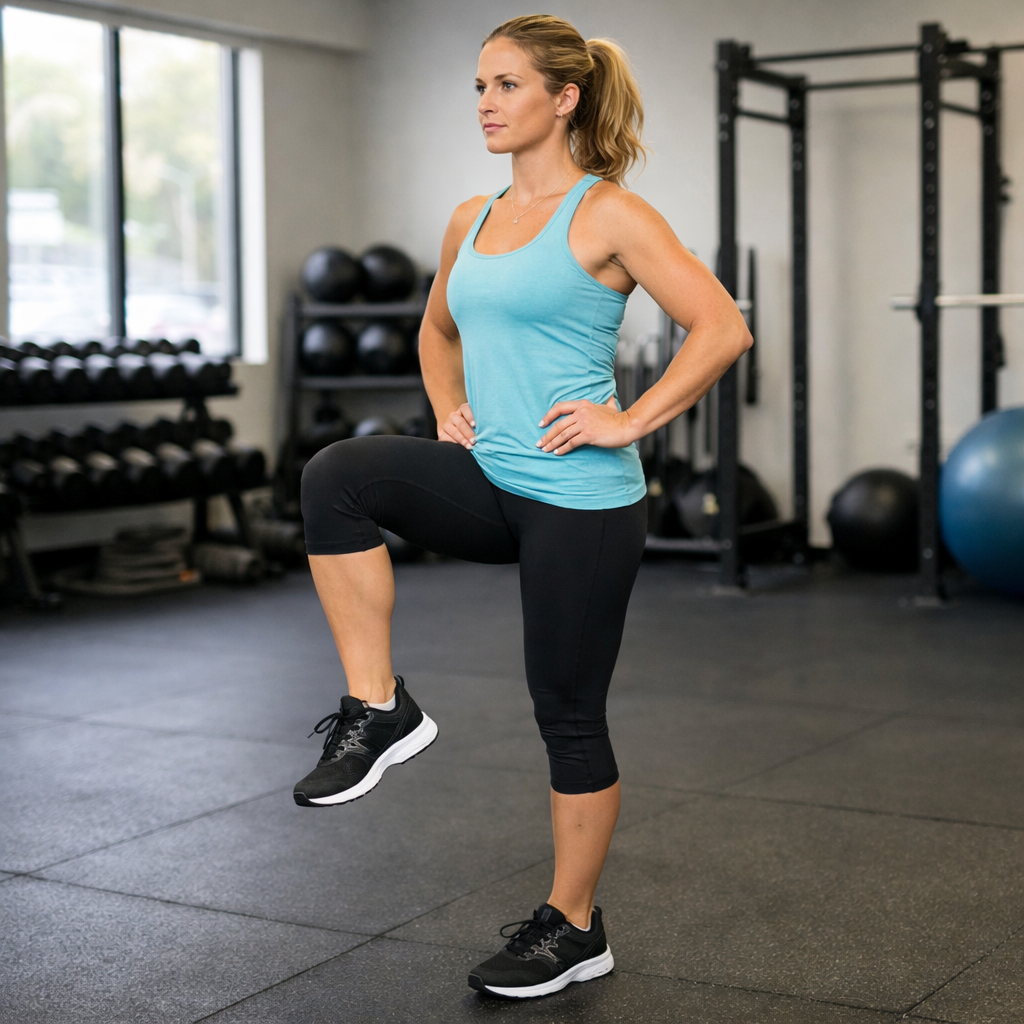
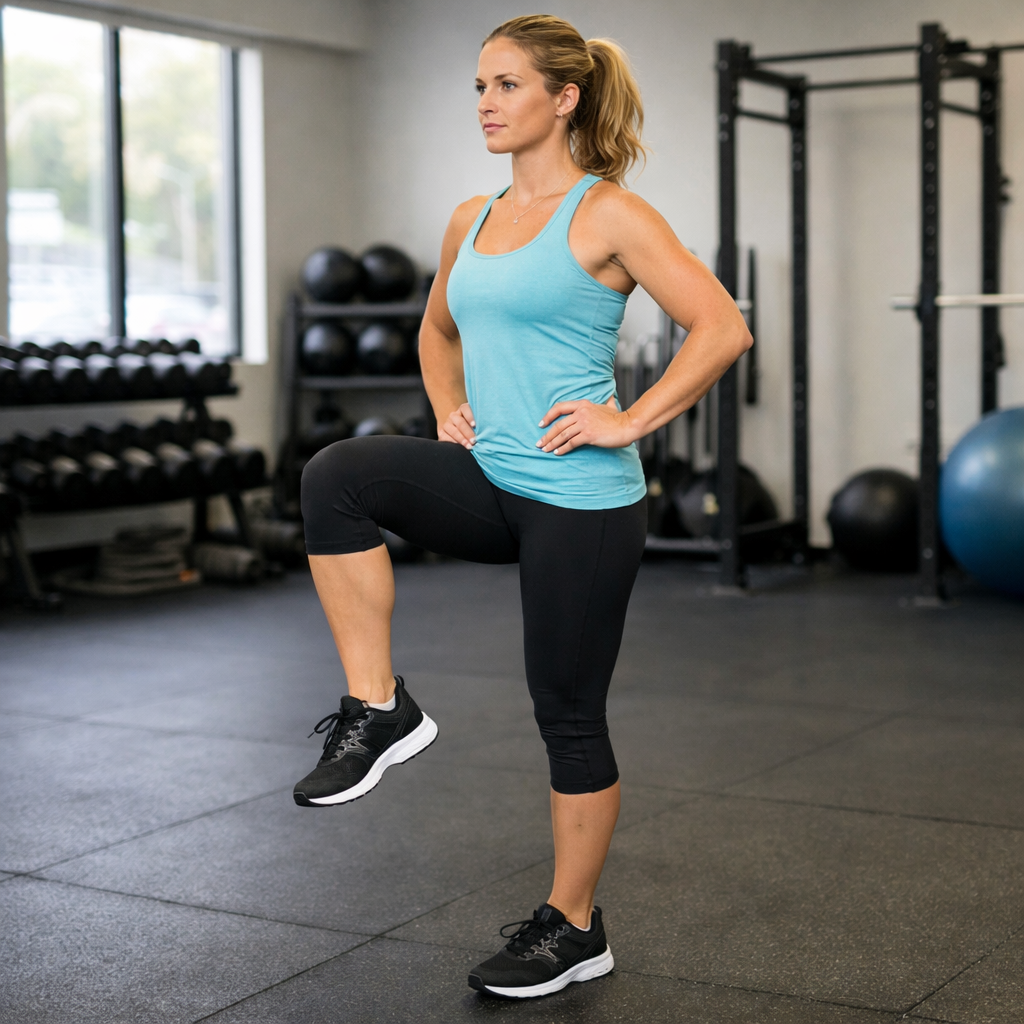
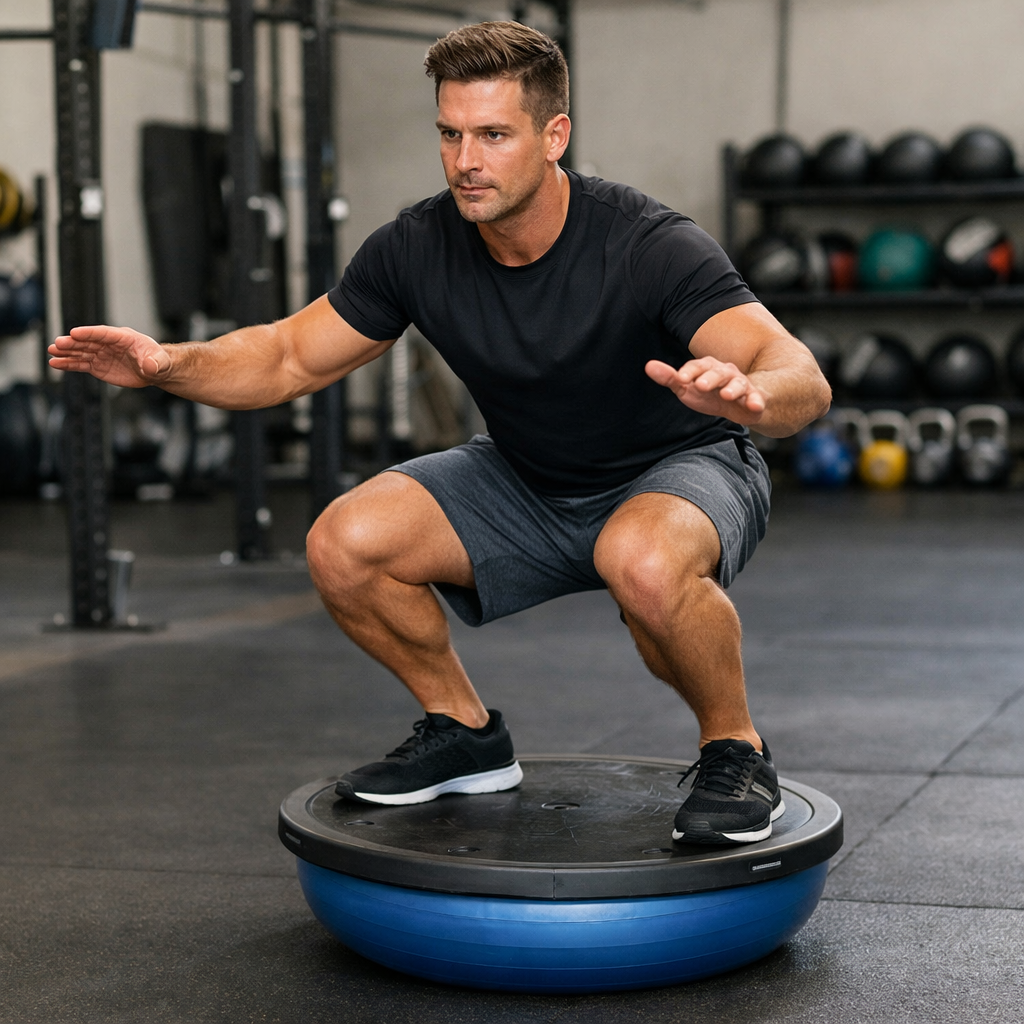
Single-leg work, unstable surfaces, controlled transitions.
Movement Variety
Expose the system to different positions, speeds, and environments.
Mind-Body Training
Practices like Tai Chi and dance improve body awareness and balance.
Sensory Challenge
Training without visual dominance (eyes closed, low-light environments) forces proprioceptive engagement.
What This Means for You
If you are young:
You are building the system you will rely on later.
If you are older:
You are either maintaining it—or losing it.
There is no neutral.
Balance is not something you “have.”
It is something you train.
The FITNESS SF Takeaway
At FITNESS SF, we don’t view balance as an afterthought.
We treat it like what it is:
A fundamental pillar of long-term health, independence, and performance.
Your first step is simple:
Get assessed.
A proper fitness assessment isn’t just about strength or body composition—it’s a window into how your body moves, stabilizes, and adapts.
Because the goal isn’t just to look fit.
It’s to move well for life.