


Stand up for a moment and take a breath.
Now ask yourself—are you upright, open, and stacked… or are you subtly folded forward?
For most people reading this, the answer is somewhere in between.
And that matters more than you think.
What Is Kyphosis?
Kyphotic curvature refers to the natural curvature of the thoracic spine—the upper and mid-back. It’s not a disease. It’s normal anatomy. In fact, without it, your spine wouldn’t function properly.
But like many things in physiology, the problem isn’t presence—it’s excess. Excess refers to what we term "kyphosis."
When that curve becomes exaggerated, we move into what most people recognize as “rounded posture” or a “hunched back.” And over time, that position doesn’t just look different—it begins to change the structure and function of your body.
When Posture Becomes Structure
Here’s where this becomes serious.
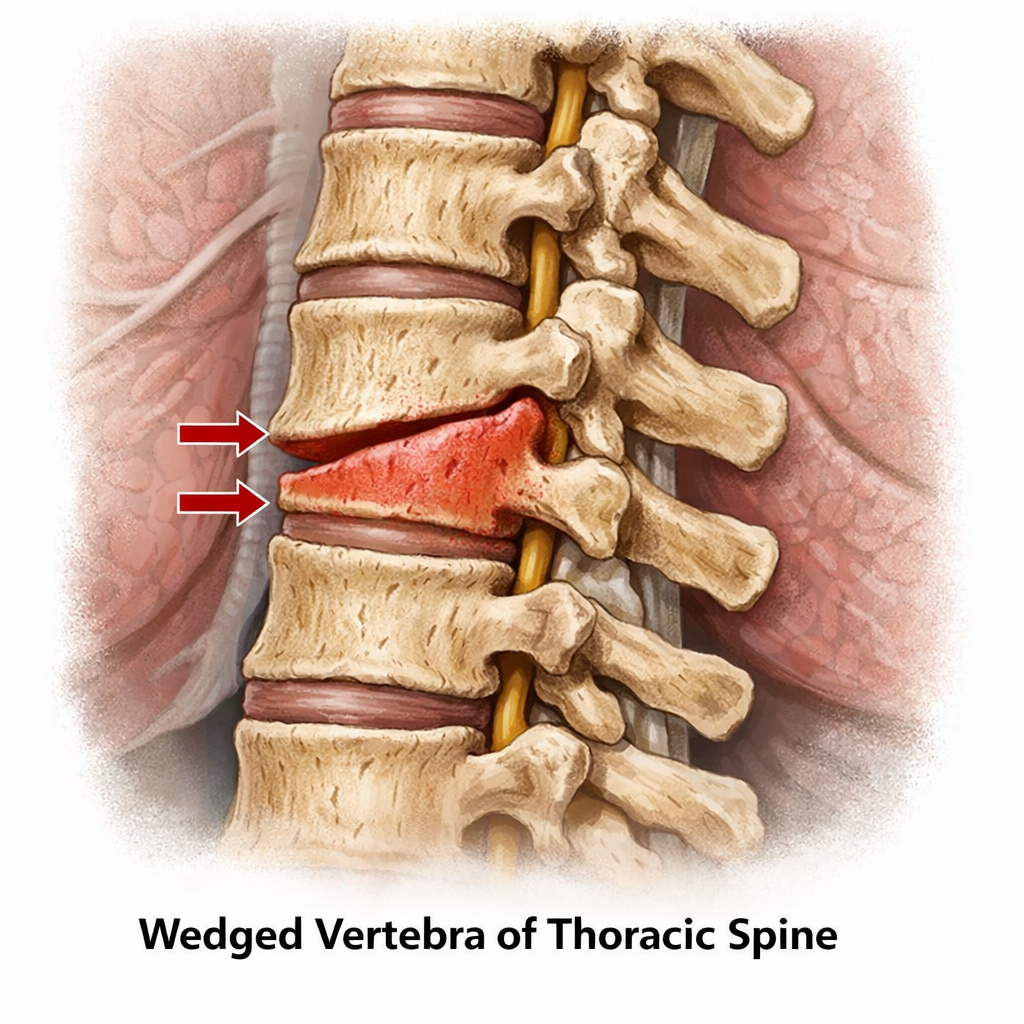
Chronic forward-flexed posture—whether from desk work, driving, or repetitive bending—places continuous compressive forces on the front of the vertebrae. Over years, this can contribute to:
- Vertebral wedging (the bones themselves begin to deform)
- Disc compression and degeneration
- Arthritic changes in the spine
And this isn’t just a “back problem.”
Thoracic spine dysfunction can refer pain into the chest, sometimes mimicking cardiac or rib-related discomfort. It can change how your ribs move, how your lungs expand, and how your entire upper body functions.
The Hidden Consequences of Kyphosis
Most people think posture is cosmetic.
It’s not.
It’s deeply physiological.
1. Reduced Lung Capacity
A flexed thoracic spine limits rib expansion. Less expansion = less air = decreased lung volumes. Over time, this can impact endurance, recovery, and even how energized you feel day to day.
2. Neck Pain and Headaches
Forward posture almost always brings the head with it. This creates forward head posture, increasing strain on the cervical spine.
The result?
- Chronic neck tension
- Increased wear and tear on cervical discs
- Tension headaches that start at the base of the skull
3. Shoulder Impingement
When the upper back rounds, the shoulder blades lose their stable positioning. The shoulder joint then follows the path of least resistance—forward and inward.
This is a setup for:
- Rotator cuff irritation
- Subacromial impingement
- Pain with overhead movement
4. Mood and Energy
Posture influences psychology more than people realize. Upright posture is associated with improved mood, confidence, and even reduced perception of fatigue.
When you collapse forward, your physiology—and your psychology—often follows.
Why This Happens to Almost Everyone
Let’s be honest about modern life.
We sit.
We drive.
We look down at screens.
We work with our hands in front of our bodies.
Even highly active people aren’t immune:
- Desk workers
- Drivers
- Chefs
- Gardeners
- Maintenance professionals
All spend hours in forward-flexed positions.
And the body adapts to what it does most.

The Muscle Imbalance Problem
At the center of this issue is a predictable imbalance:
- Weakness in the mid and lower trapezius
- Weak posterior shoulder stabilizers
- Tightness in the chest and anterior shoulder
The shoulder girdle, lacking support from behind, drifts forward.
Not because your body is “broken”—but because it is efficient. It follows the path of least resistance.
The Good News: Posture Is Trainable
Posture is not fixed.
It is adaptable.
With the right combination of:
- Strength training (especially posterior chain and scapular stabilizers)
- Mobility work (thoracic spine and chest)
- Awareness and habit change
—you can reverse many of these patterns and, in some cases, prevent long-term structural damage.
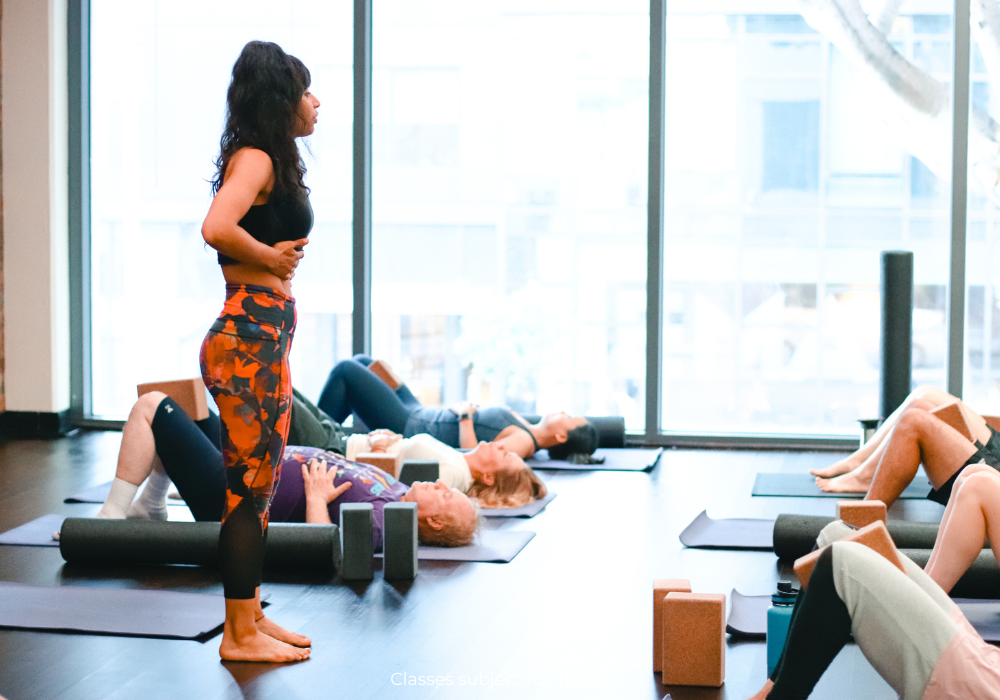
Where FITNESS SF Comes In
This is exactly where working with a professional matters.
A FITNESS SF trainer can:
- Assess your posture and movement patterns
- Identify the specific imbalances contributing to your positioning
- Build a targeted program to restore strength, alignment, and function
Because posture isn’t just about standing up straight.
It’s about how your body performs, feels, and ages over time.
Final Thought
Nearly all of us have something we can improve posturally.
And the earlier you address it, the greater the payoff—not just in how you look, but in how you breathe, move, and live.
Posture is not cosmetic.
Posture is foundational.
And it’s worth investing in.