Kyphosis, Posture, and the Cost of Living Bent Forward
Stand up for a moment and take a breath.
Posts by:
Dr. Stevens has been a Certified Personal Trainer through the American Council on Exercise since 2007 and has pursued additional training in corrective exercise, yoga, medical fitness, and metabolic health. Her work reflects a long-standing interest in plant-based nutrition, therapeutic stretching, and hands-on approaches to movement and recovery. She has a background in elite endurance sports and mixed martial arts, and has spent many years training and coaching across a wide range of athletic and clinical settings.
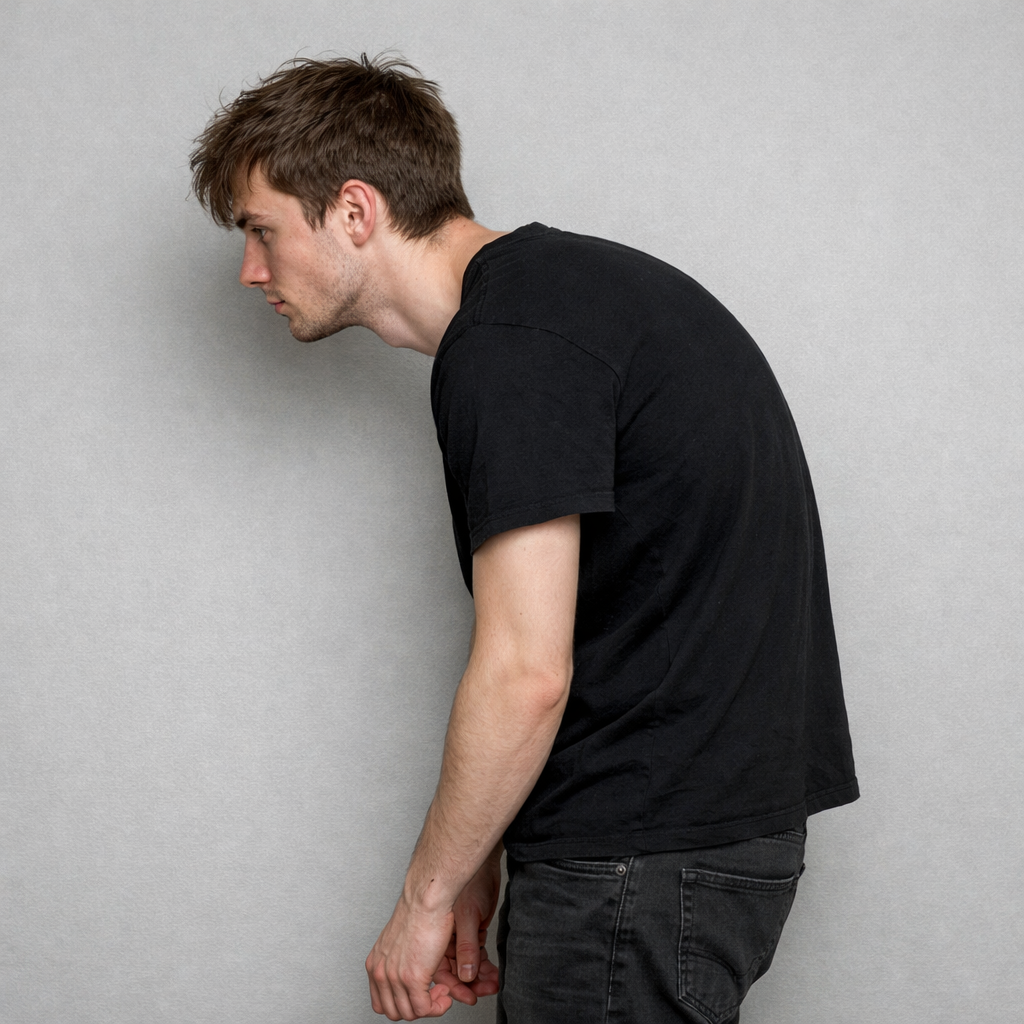
Stand up for a moment and take a breath.
A lot of smart, disciplined people swear they sleep better after a drink.
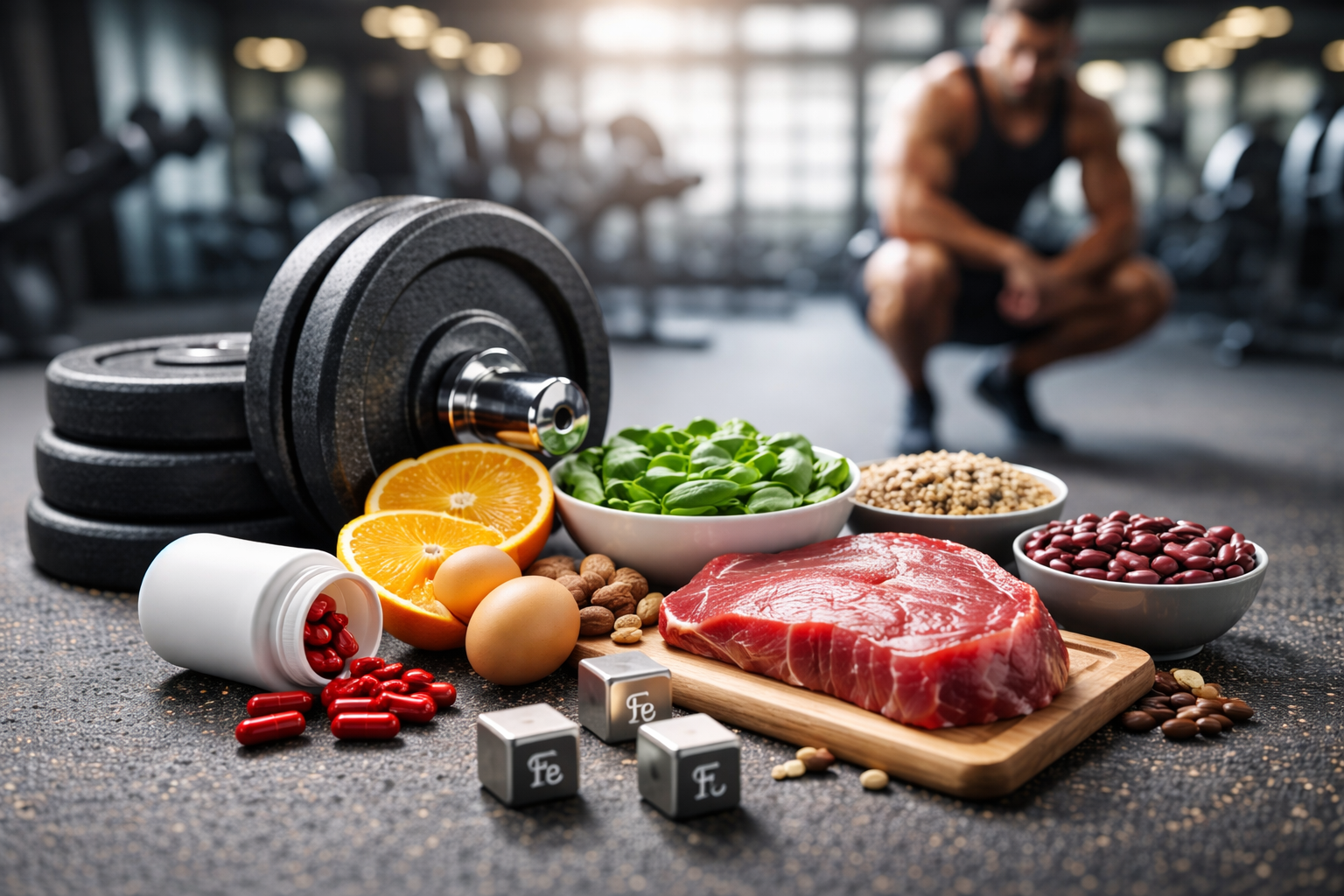
At FITNESS SF, we talk about progressive overload, VO₂ max, strength adaptation, and recovery. This discussion is based on a 2023 systematic review examining how iron levels influence physical performance in athletes.
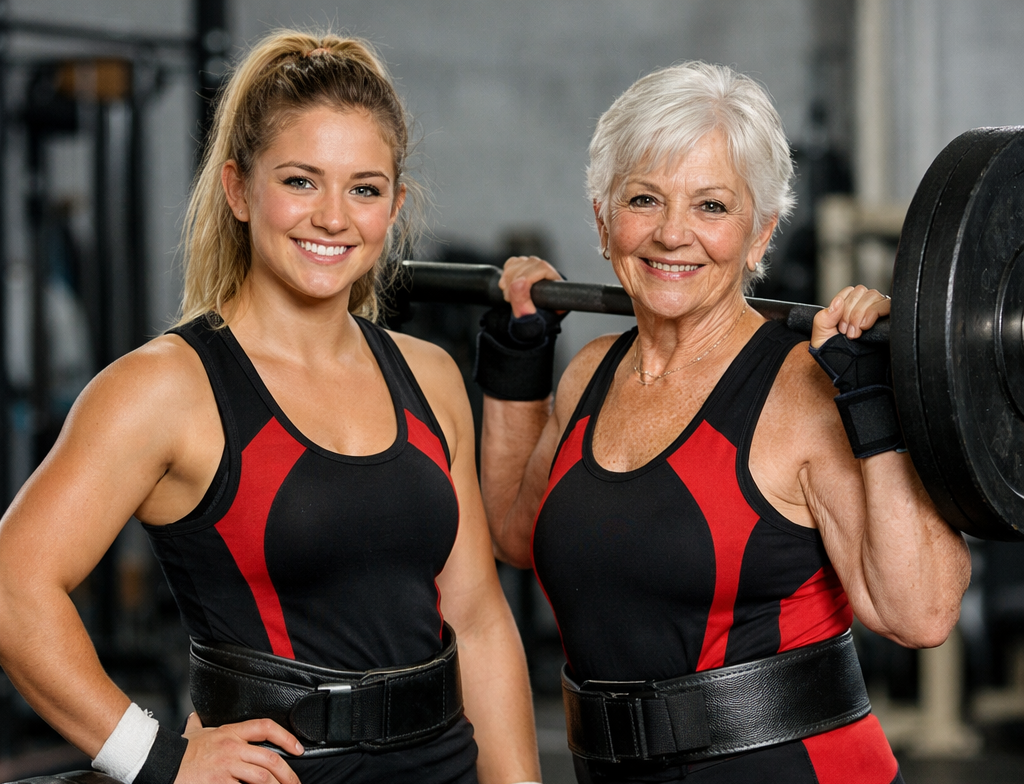
Aging changes the body — but decline is not inevitable.
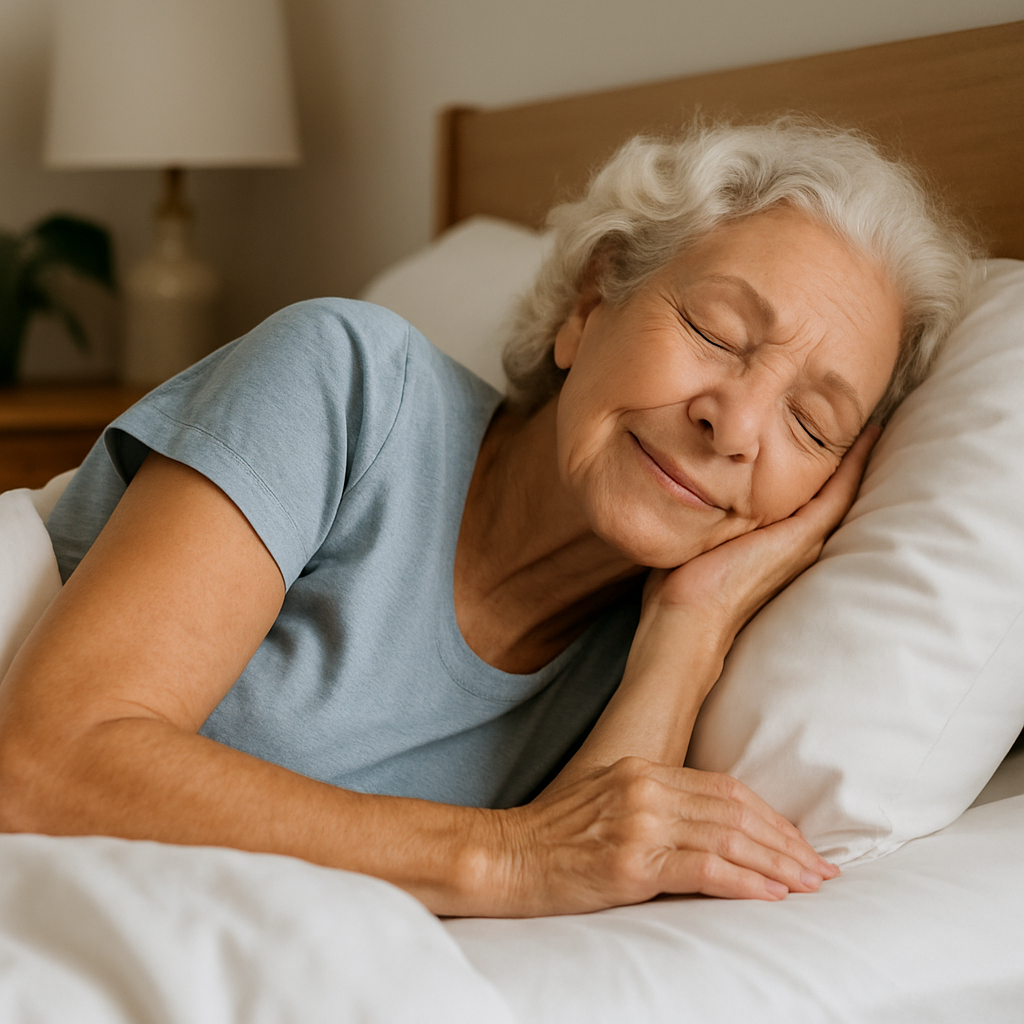
When most people think about sleep, they think about energy. They think about not feeling tired at work, having enough motivation to exercise, or avoiding that mid-afternoon crash. But modern neuroscience shows us something much more important: sleep is not just about feeling rested. It is one of the most powerful tools we have for protecting the long-term health of our brains.
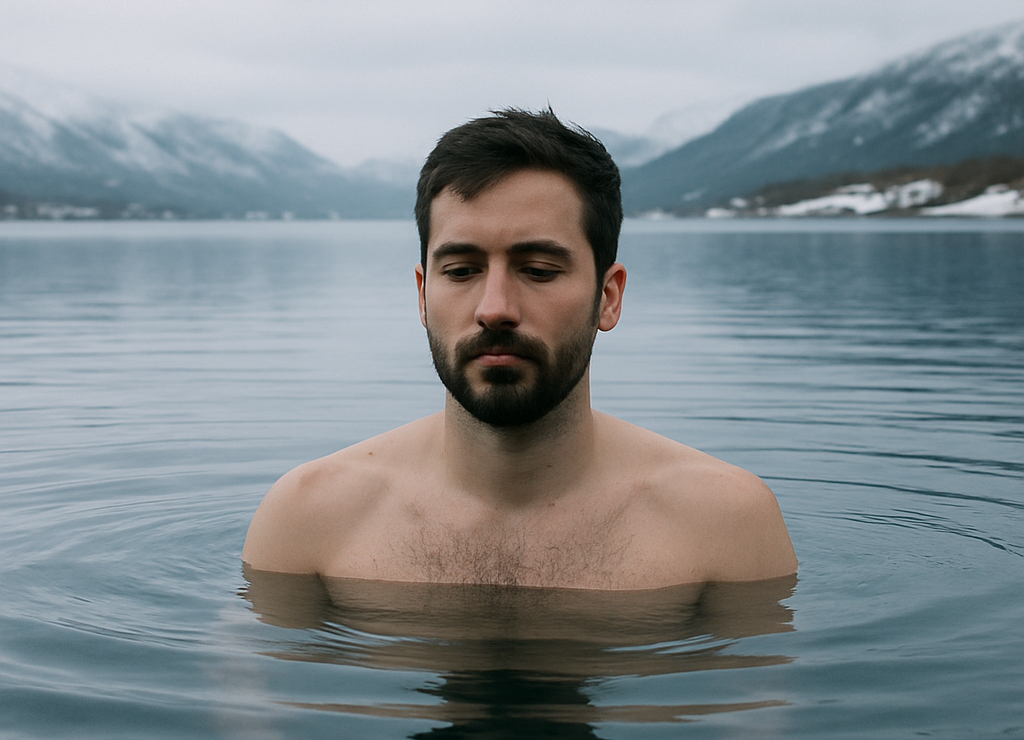
Cold-water exposure may feel like a modern wellness trend, but it’s anything but new. Long before ice baths showed up on social media, cold water was woven into health practices across cultures. Ancient Greeks prescribed cold baths for vitality. Nordic countries paired cold plunges with saunas for resilience and recovery. In Japan, cold-water immersion has long been part of physical and spiritual discipline. Even early Western medicine viewed cold exposure as a way to sharpen the mind and strengthen the body.
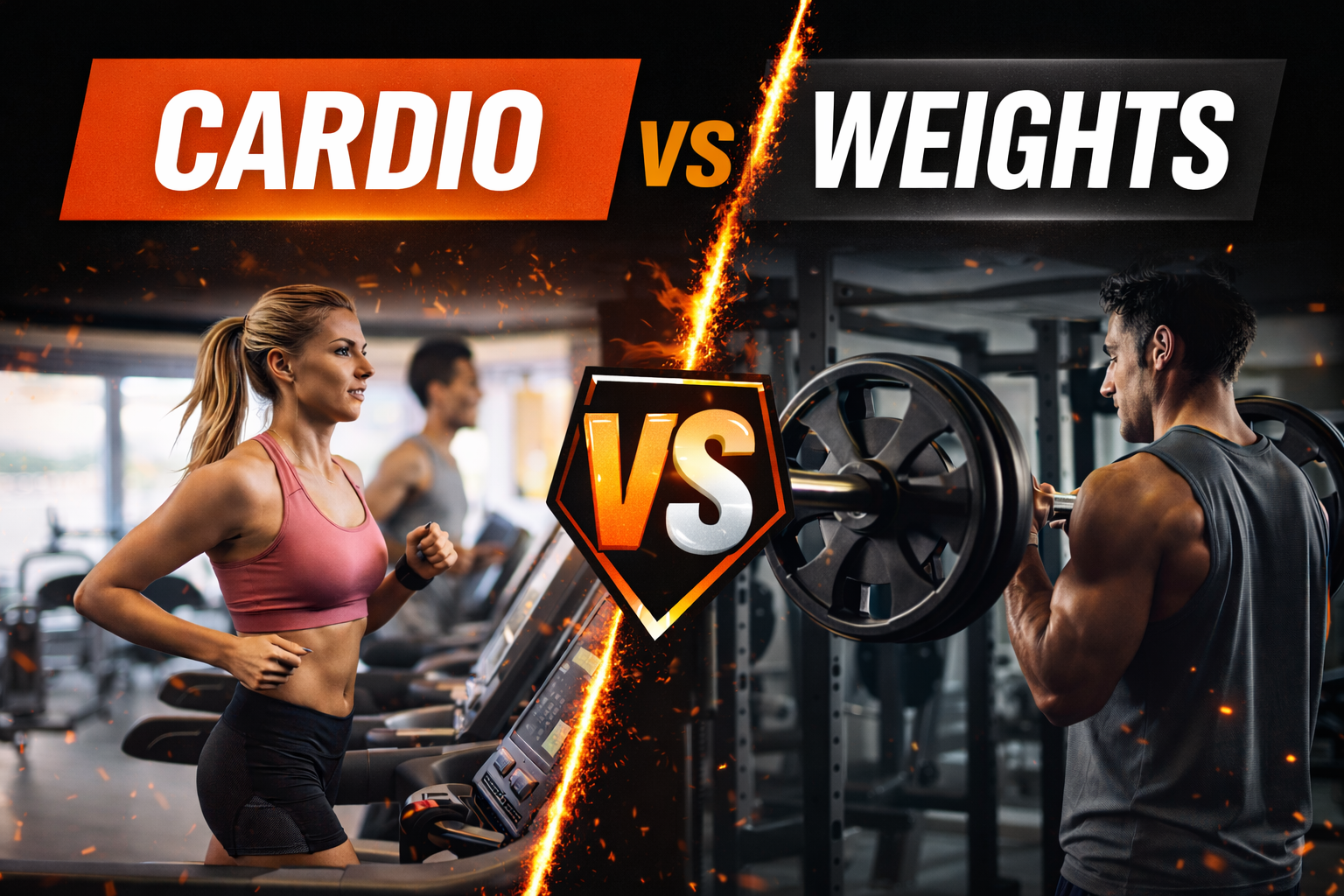
If you hang around our gyms long enough, you’ll hear some version of this debate in every locker room:
“If I want to lose fat, should I just do cardio?”
“But I heard lifting is better because it boosts your metabolism.”
“What if I do both—will they cancel each other out?”
A 2025 systematic review and meta-analysis (36 randomized trials, 1,564 adults) just took a hard look at this exact question: comparing aerobic training (cardio), resistance training (strength), and concurrent training (both in the same week) and how each affects body fat, body weight, and muscle mass (PubMed). Here’s what it means for you at FITNESS SF.
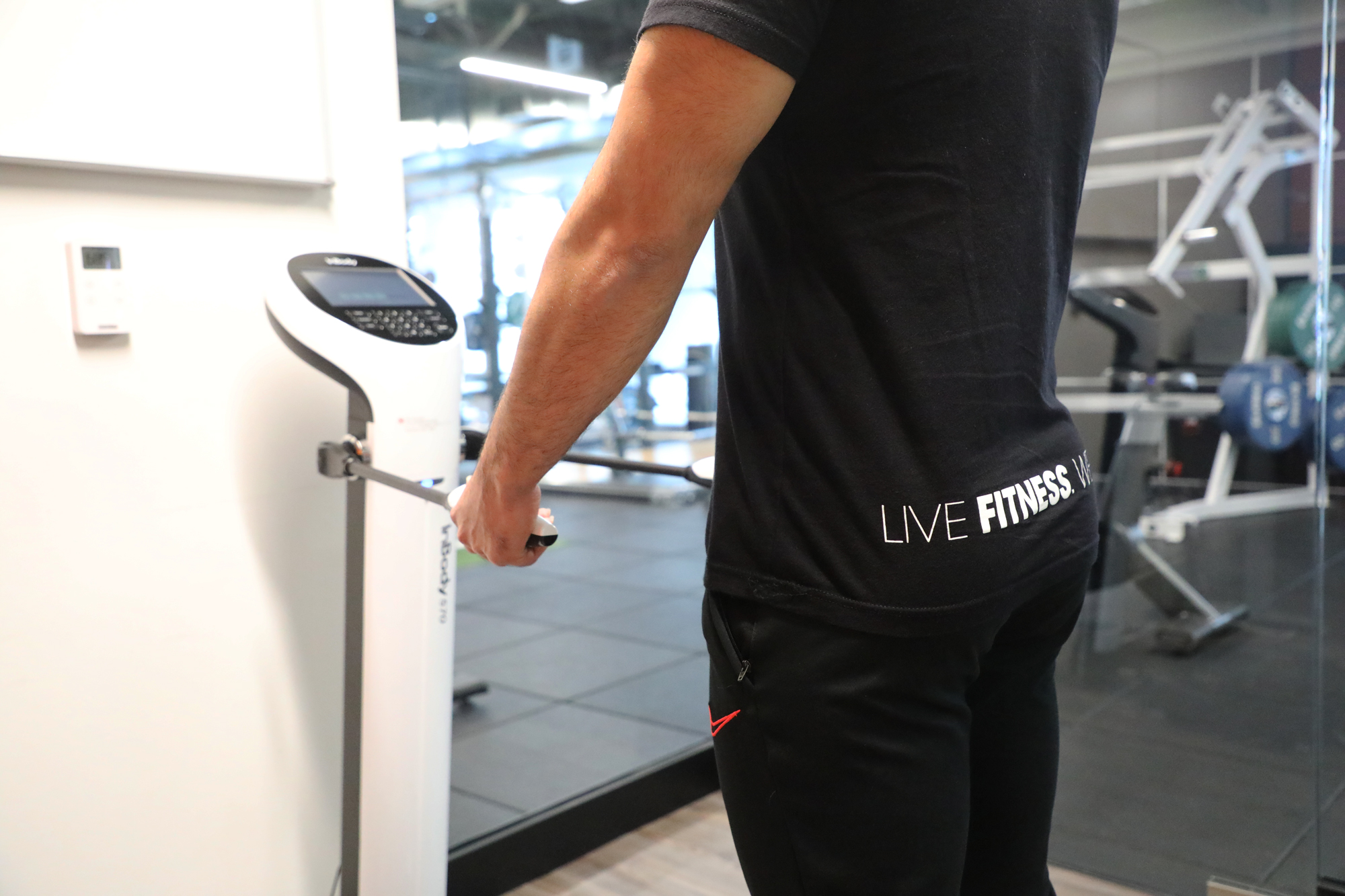
Most people own a scale. Most people also know how misleading a scale can be.
One day you’re “up.”
The next day you’re “down.”
Nothing about your training changed — but the number did.
That’s because body weight alone tells you almost nothing about what’s actually happening inside your body.
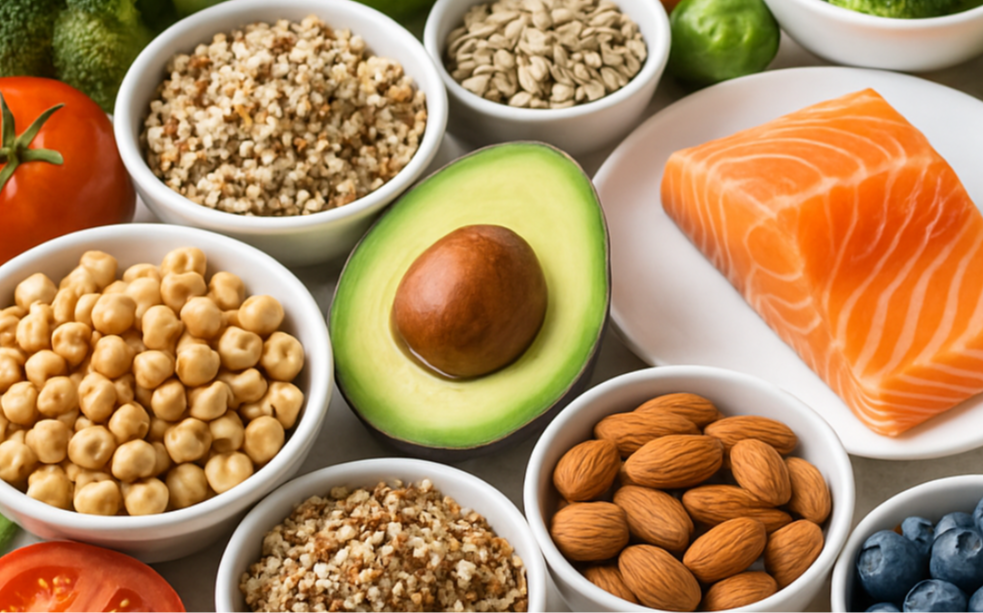
At FITNESS SF, we believe great results are built on three pillars: training, recovery, and nutrition. Most members invest time and energy into their workouts. Many improve their sleep. But nutrition? That’s where even highly motivated people often struggle.
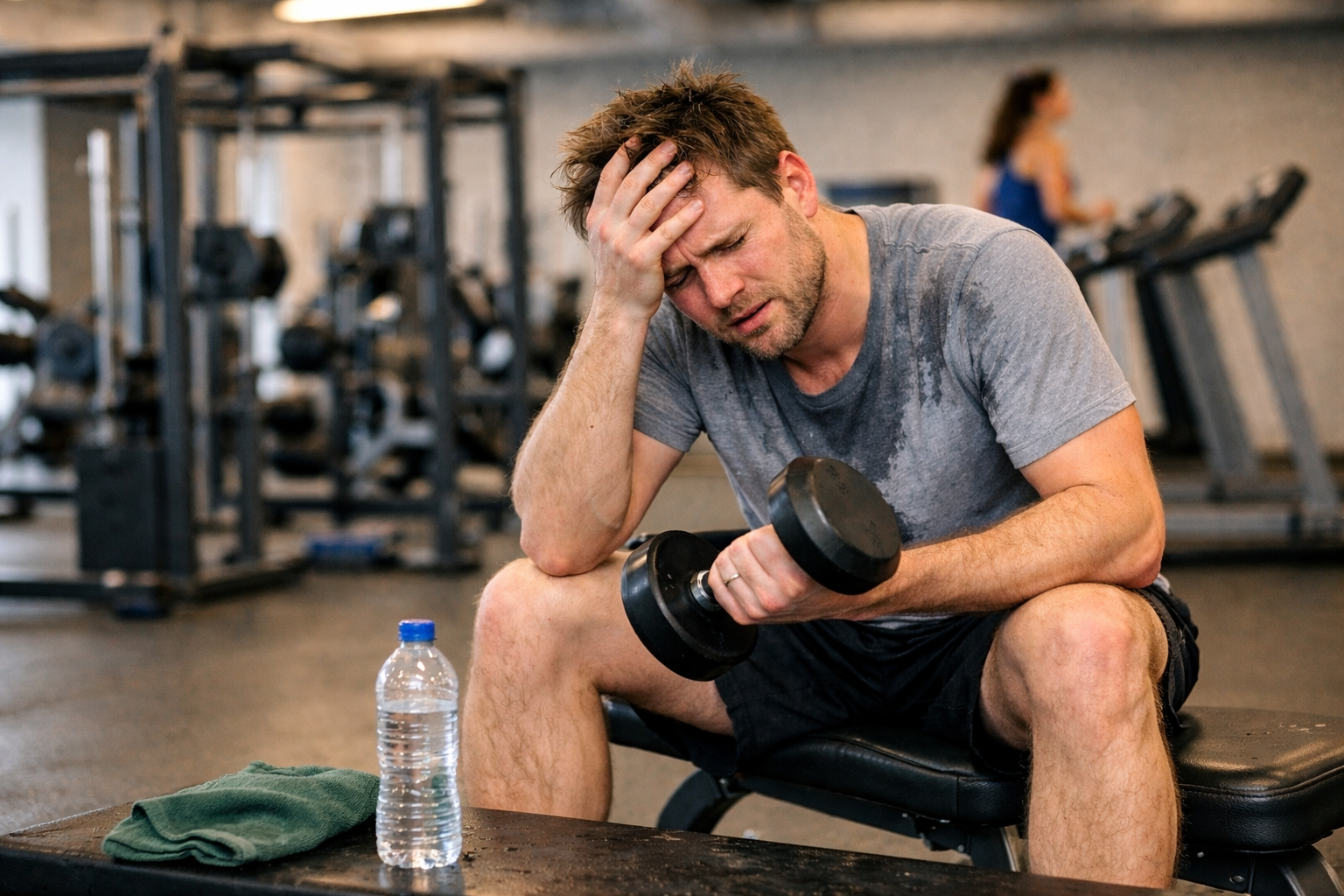
Many people judge how alcohol affects them by one simple metric: “Do I get a hangover?”
If the answer is no, it’s easy to assume alcohol doesn’t really impact your health or training. But emerging research suggests something important—and uncomfortable—about that assumption. A 2023 study published in Addictive Behaviors found that a single evening of alcohol consumption reduced next-day immune fitness in everyone—including people who reported no hangover symptoms at all.
