Stress Leaves Clues: Biomarkers, Health Impact, and Effective Interventions
We often think of stress as a feeling—but your body treats it as a full-scale event. And over time, chronic stress leaves measurable fingerprints throughout the body.

Posts by:
Dr. Stevens has been a Certified Personal Trainer through the American Council on Exercise since 2007 and has pursued additional training in corrective exercise, yoga, medical fitness, and metabolic health. Her work reflects a long-standing interest in plant-based nutrition, therapeutic stretching, and hands-on approaches to movement and recovery. She has a background in elite endurance sports and mixed martial arts, and has spent many years training and coaching across a wide range of athletic and clinical settings.

We often think of stress as a feeling—but your body treats it as a full-scale event. And over time, chronic stress leaves measurable fingerprints throughout the body.

Most people focus on what they eat and how much, but rarely on when. Yet your body runs on a 24-hour internal rhythm — a circadian clock — that orchestrates hormone release, metabolism, digestion, recovery, and energy.
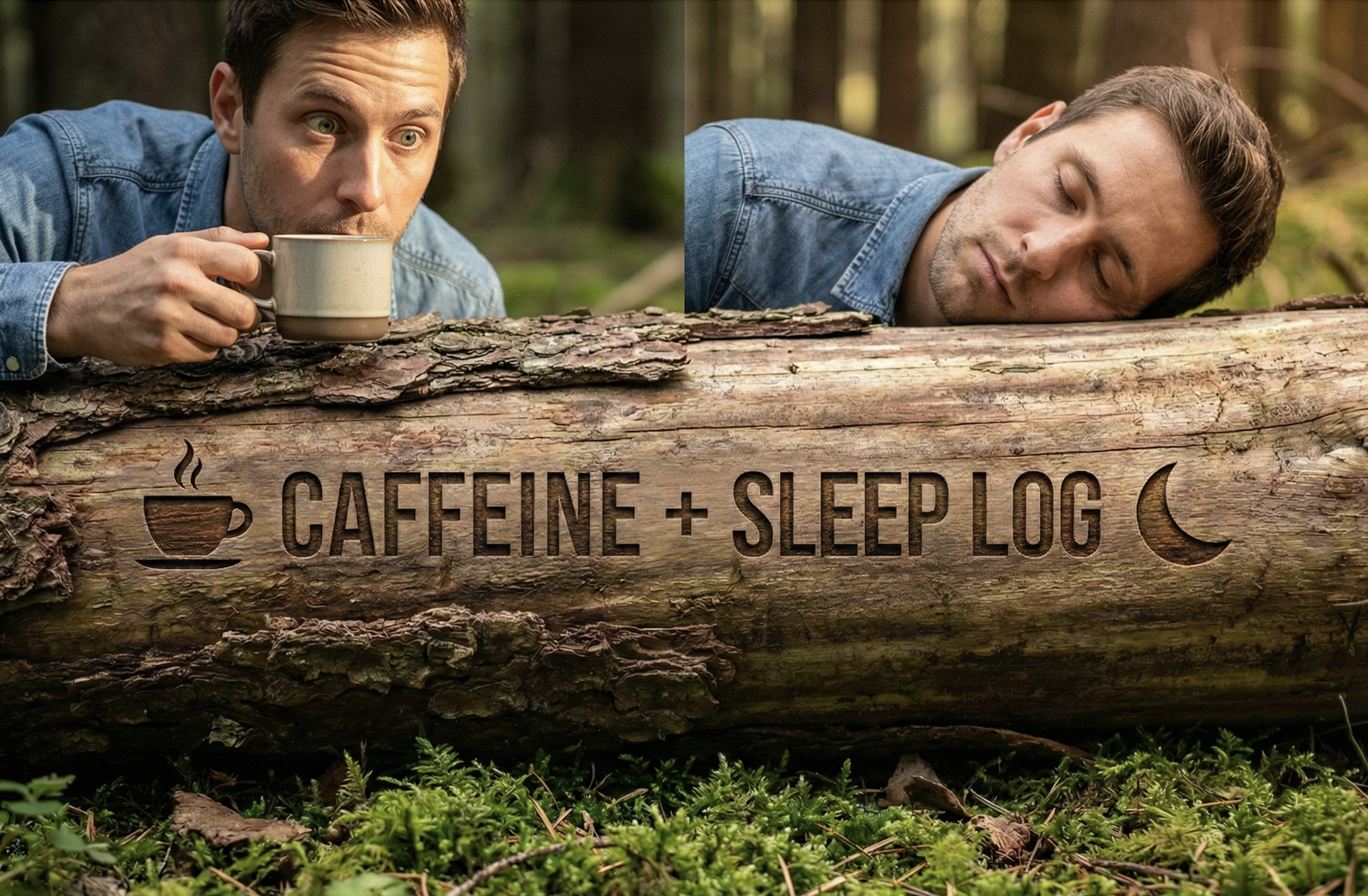
Most of us reach for coffee because we’re tired. But that fatigue often stems from the very thing caffeine disrupts the most: sleep. As both a physician and lifelong trainer, I’ve watched clients chase energy with caffeine… and then lose the recovery they desperately need.

Most people think exercise is about calories or discipline. But your muscles are actually biochemical organs, constantly sending signals that shape your metabolism, inflammation levels, and long-term health. Movement is what activates that conversation.
