
We don’t have a knowledge problem—we have an execution problem. Despite decades of research showing that exercise reduces the risk of conditions like cardiovascular disease, diabetes, obesity, and even depression, a massive portion of the population still doesn’t meet basic activity guidelines. One of the most commonly cited reasons is a lack of time. This is exactly where HIIT changes the game, as outlined in a 2021 review article by Atakan, et al.
What HIIT Actually Is
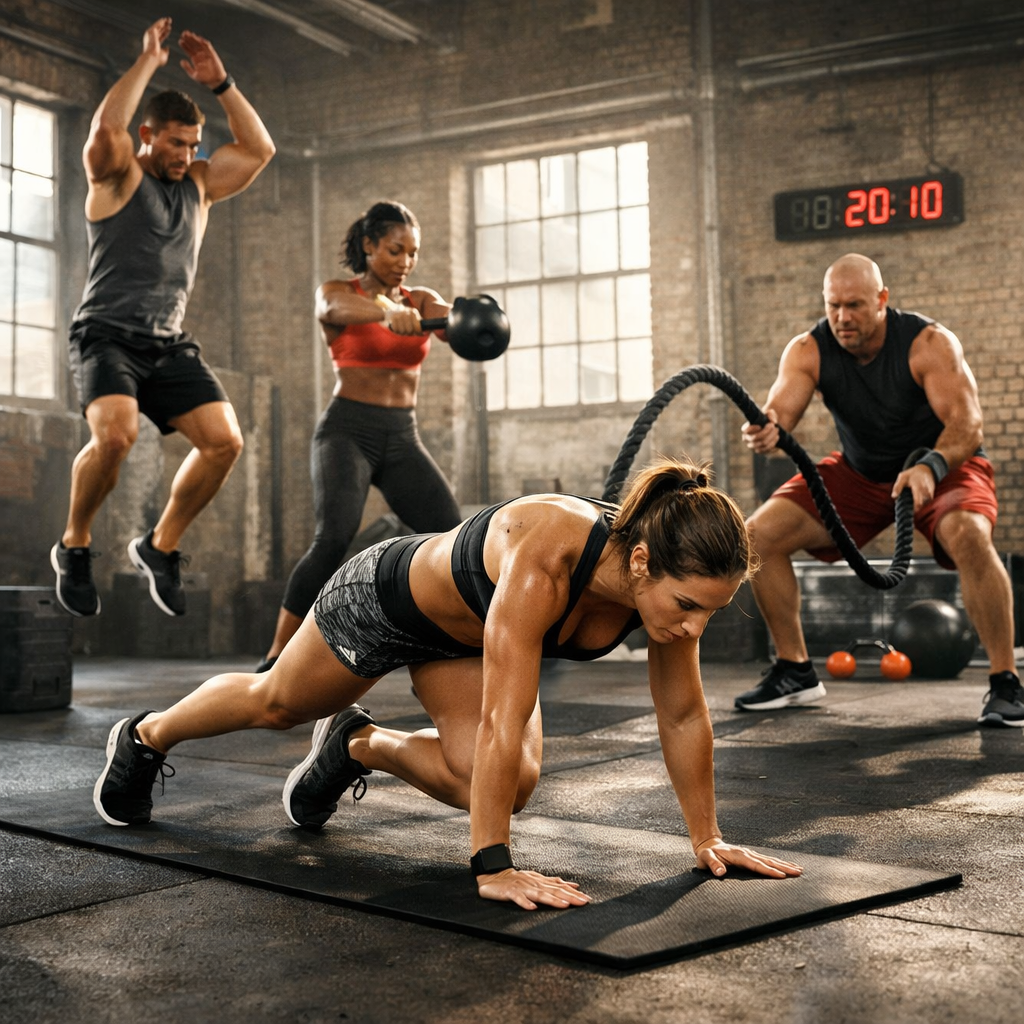
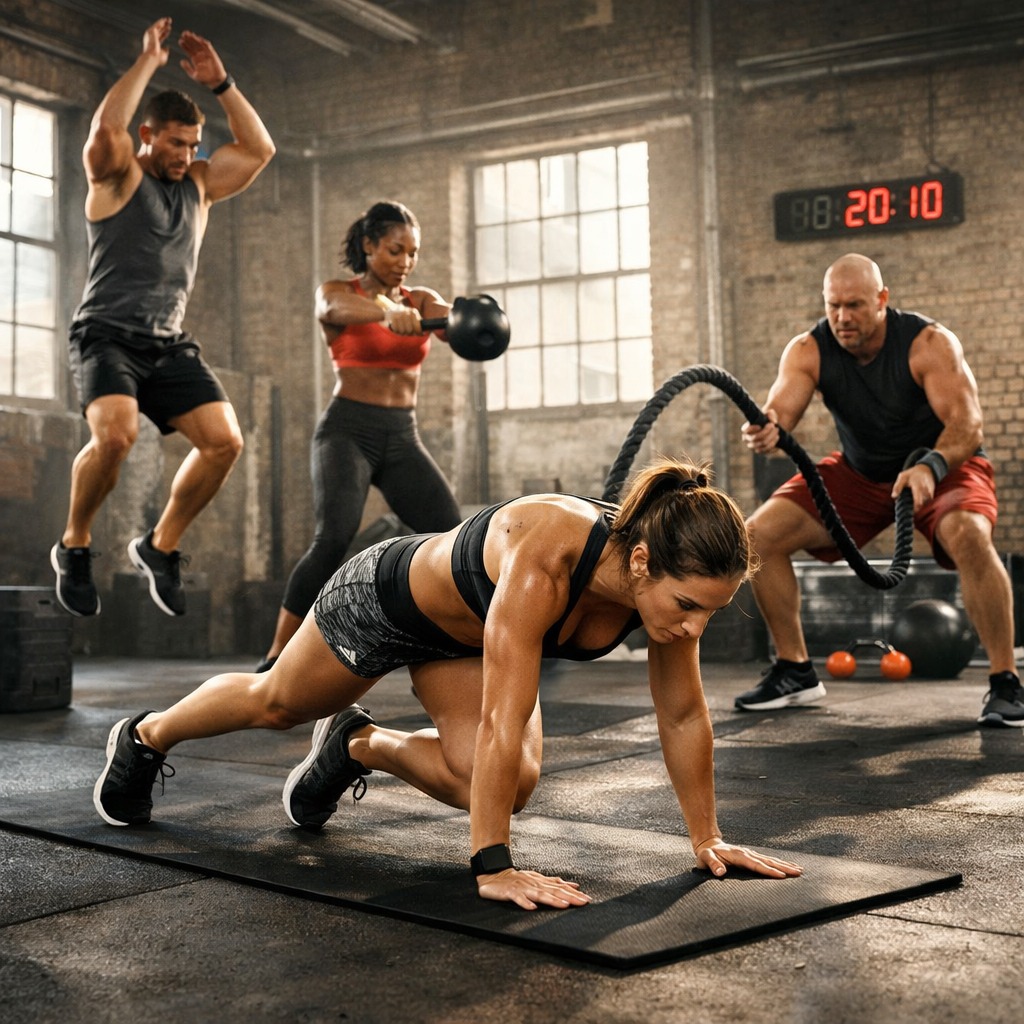
HIIT is not random hard workouts. It is structured, intentional training. At its core, it consists of short bursts of high effort performed near maximal intensity, alternated with periods of rest or low-intensity movement. These intervals typically push you toward the upper limits of your capacity, followed by recovery before repeating the effort. In practice, this could be a minute of hard work followed by a minute of recovery, or several minutes at a challenging pace followed by controlled rest. It is not about suffering—it is about precision and purpose.
The Big Advantage: More Results, Less Time
The most important takeaway is simple: HIIT can produce equal, and sometimes greater, physiological benefits compared to traditional steady-state cardio, with significantly less total training time. Improvements in cardiovascular fitness, endurance, insulin sensitivity, and body composition have all been demonstrated with interval-based approaches. In some cases, similar adaptations have been achieved with dramatically less overall training volume. This is not just a small efficiency gain—it fundamentally changes how we think about exercise for busy people.
What’s Happening Inside Your Body
HIIT works because it forces rapid adaptation. When you train at high intensities, your cardiovascular system, muscles, and metabolic pathways are pushed far beyond what moderate exercise requires. This drives increases in stroke volume, meaning your heart pumps more blood per beat, and enhances mitochondrial density, allowing your cells to produce energy more efficiently. Oxygen delivery and utilization improve, and your body becomes better at managing glucose and fuel. In simple terms, your system becomes more capable in less time.
It’s Not Just for Athletes
One of the most compelling aspects of HIIT is its applicability across populations. It is not limited to high-level athletes. Research has shown benefits in sedentary individuals, those with obesity, and even patients with cardiovascular disease or type 2 diabetes. In some cases, interval training has produced greater improvements in aerobic capacity than traditional moderate-intensity exercise. This reframes fitness as more than performance—it becomes a practical, scalable health intervention.
But There’s a Catch
HIIT is powerful, but it is not magic. It is demanding, and it must be applied appropriately. Without structure, intensity can outpace recovery, leading to burnout or reduced enjoyment. In some cases, excessive high-intensity training without proper progression can negatively impact metabolic health. The takeaway is not to avoid HIIT, but to respect it. Like any effective tool, it requires thoughtful programming and intelligent use.
How to Actually Use HIIT
For most people, the goal is not to go all out, but to train with intention. A well-designed program might include a few interval sessions per week, with clearly defined work and recovery periods and a gradual progression over time. HIIT should complement a broader program that includes strength training, movement quality, and recovery—not replace it. The real value comes from integrating it into a complete system, not treating it as a shortcut.
The Bigger Picture
HIIT is not just about efficiency—it is about accessibility. If time is the biggest barrier to exercise, then HIIT removes that barrier. It allows people to achieve meaningful physiological benefits within the constraints of real life. That makes it one of the most practical and impactful tools in modern fitness.
Your Next Step at FITNESS SF
At FITNESS SF, we do not guess—we assess. Through a FIT session, our trainers evaluate your cardiovascular capacity, movement quality, body composition, and lifestyle factors. From there, we build a program that may include HIIT, but only where it makes sense for you. The goal is not simply to work harder, but to work smarter, with structure and intent. That is how progress becomes sustainable, and that is how real results are built.