
When you’re in your 20s, fitness usually has an immediate goal.
You want to look better. Get stronger. Run faster. Build your glutes. Hit a new PR. Feel confident with your shirt off. Finally do a pull-up.
Those are great reasons to train. We’re not going to tell you that you should stop caring about them.
But something much bigger is happening every time you work out.
You’re building the body you’re going to age in.
Your 20s Are an Opportunity
At 25, it can be difficult to imagine being 65. Your joints probably work. You recover quickly. You can miss a few workouts—or a lot of workouts—and still feel basically fine.
That’s exactly why this period matters.
Muscle strength and physical capacity generally peak in early adulthood before declining with age. Bone mass also reaches its peak relatively early in life. Your cardiovascular system adapts to training. Your balance, coordination, movement skills, and habits are being reinforced every time you use them.
Think of it as building your physical reserve.
You don't know exactly what your body will encounter over the next 50 years. Illness happens. Injuries happen. Careers get busy. Hormones change. People have children. Metabolism and body composition change. Aging itself eventually begins taking things away.
The more capacity you build beforehand, the more you have to work with.
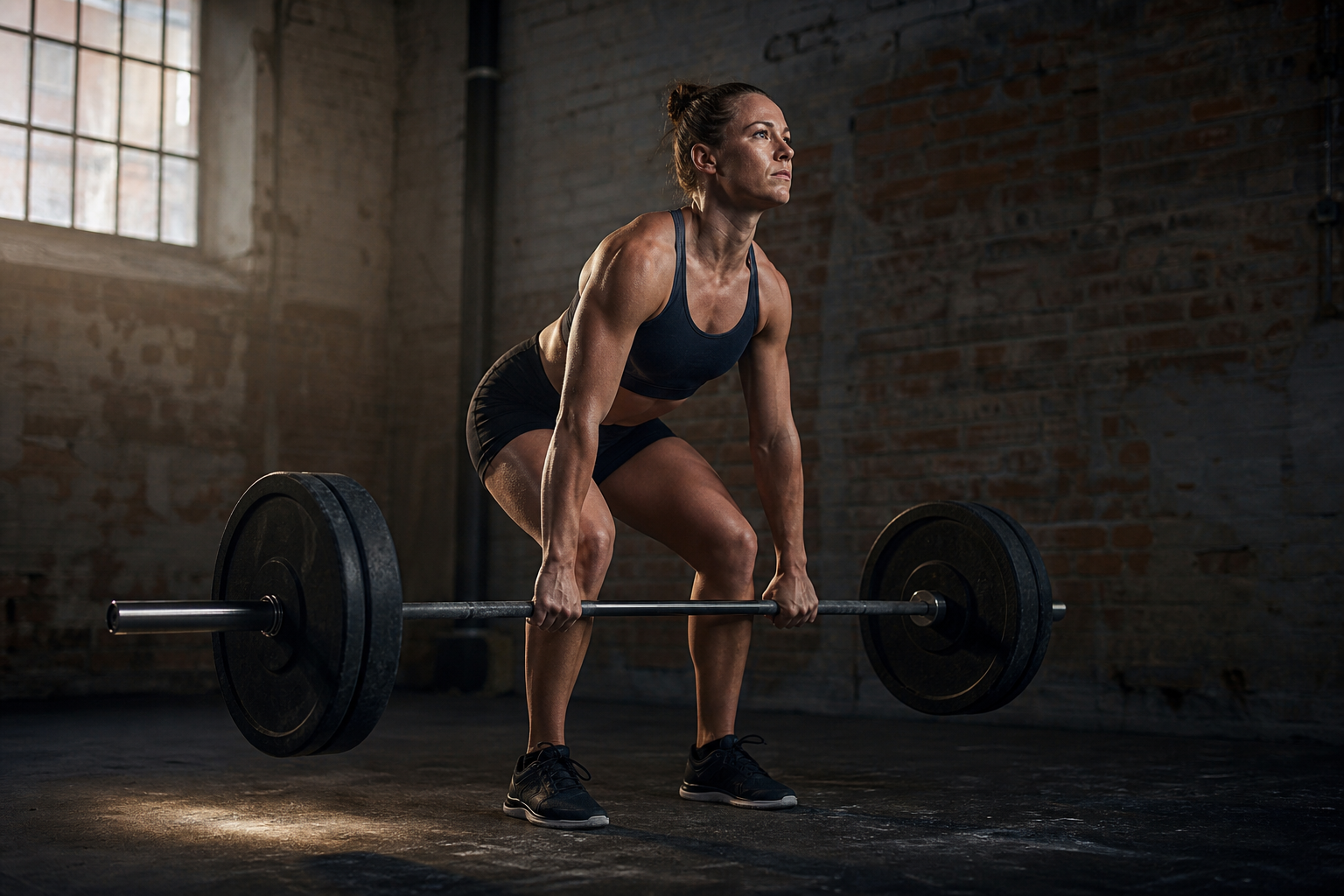
Muscle Is About a Lot More Than Looking Muscular
Want bigger shoulders? Great.
Want stronger legs or more defined glutes? Go for it.
But the muscle you're building also helps you regulate blood glucose, maintain your ability to perform physical tasks, protect your independence later in life, and remain resilient when you're sick or injured.
The squat you're trying to improve at 27 looks very different from getting yourself out of a chair at 87.
But they're connected.
That doesn't mean you need to exercise like an 87-year-old when you're 27.
Quite the opposite.
This is the time to get strong.
Your Heart Is Training Too
Fitness isn't only happening in the mirror.
Regular physical activity is associated with lower risks of cardiovascular disease, type 2 diabetes, several cancers, depression, cognitive decline, and premature death.
And some of the adaptations start happening surprisingly quickly.
Every run, bike ride, swim, HIIT class, long walk, or conditioning session challenges your cardiovascular system to become better at delivering oxygen and doing work.
You're not just improving today's workout.
You're expanding what your body is capable of doing.
Build the Biggest Life You Can
Perhaps the best reason to train in your 20s isn't actually disease prevention.
It's freedom.
Fitness gives you options.
It means saying yes to the backpacking trip. Carrying your luggage up five flights of stairs. Learning to ski at 35. Playing basketball at 45. Hiking with your kids at 55. Traveling at 70. Getting off the floor at 80.
None of those things are guaranteed by exercise.
But training increases the size of your physical world.
And that's something worth investing in long before you desperately need it.
Don't Forget to Have Fun
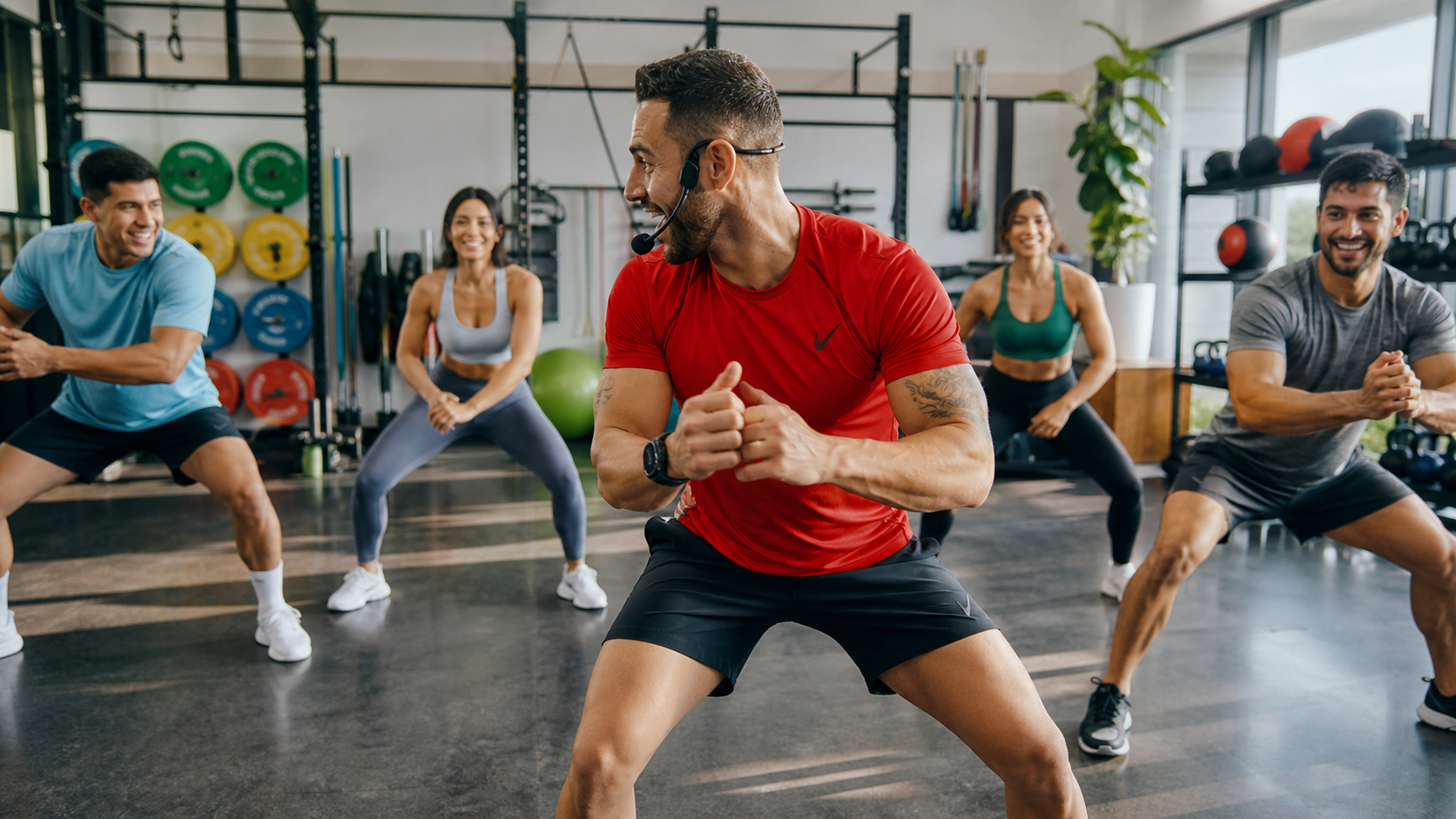
Here's the important part: you don't need to spend every workout thinking about mortality.
Chase the six-pack.
Build the glutes.
Run the marathon.
Try to bench your body weight.
Train for your first pull-up.
Beat your friend at HYROX.
Those goals matter because they're exciting enough to get you through the door.
Just understand that underneath those goals, something much more important is accumulating.
You're building muscle, bone, cardiovascular fitness, movement skill, and physical capacity that your future self may someday depend on.
At FITNESS SF, we want you excited about what your body can do this year.
We also want you to still be discovering what it can do decades from now.
Train for the body you want now. Build the body you'll need for life.