
We often think of aging as something that simply happens to our bodies. We lose some strength, slow down, and perhaps become a little less capable than we used to be.
But when it comes to muscle, that story is incomplete.
Age-related muscle loss is real, but it is not entirely passive—and it is not a reason to stop expecting progress in the gym. In fact, resistance training becomes increasingly important as we get older.
A scientific review published in Frontiers in Physiology examined how aging changes skeletal muscle and, more importantly, what can be done to preserve muscle mass, strength, and function. The central message is encouraging: older muscle still responds to resistance training. The response may be less robust than it is in younger adults, but training remains one of the most effective tools we have for maintaining physical capacity with age.
What happens to muscle as we age?
With aging, skeletal muscle undergoes several changes. Muscle fibers become smaller, we lose some muscle fibers altogether, and fast-twitch fibers—the fibers that help us produce force and power—are particularly affected. Muscle can also accumulate more fat within the tissue.
At the same time, the biological machinery responsible for building new muscle becomes somewhat less responsive to the signals produced by exercise and food. Researchers call this anabolic resistance.
In simple terms, an older muscle may need a stronger and more consistent signal to produce the same muscle-building response that a younger muscle once produced more easily.
This matters for much more than appearance. Significant age-related losses of muscle and strength are associated with poorer balance, falls, loss of mobility, metabolic problems, and declining independence.
Muscle is not merely something we build for the mirror. It is part of the physical infrastructure that allows us to keep living our lives.
The strongest intervention is still strength training
The good news is that resistance training directly challenges many of the changes associated with aging.
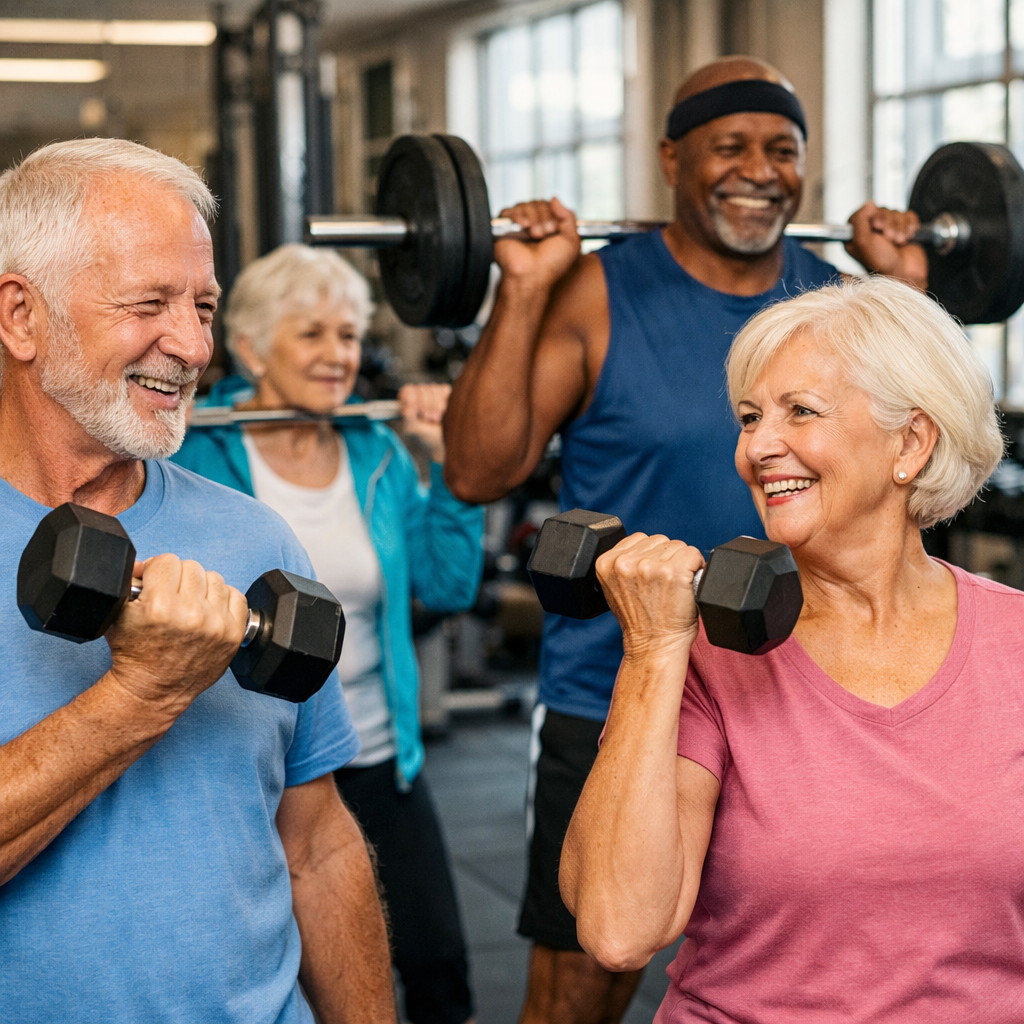
Research consistently shows that older adults can increase strength, improve physical function, and build or preserve muscle through progressive resistance training. Exercise also produces adaptations beyond muscle size, including improvements in neuromuscular function—the nervous system's ability to recruit and control muscle.
That means progress does not have to show up as dramatically larger muscles to be meaningful. Becoming stronger, moving with greater control, getting out of a chair more easily, carrying groceries confidently, climbing stairs, or maintaining balance can all represent important adaptations.
The key word is progressive. The body needs a reason to adapt. Over time, resistance training should provide an appropriate challenge through changes in load, repetitions, sets, exercise difficulty, range of motion, or other training variables.
This is also where thoughtful coaching matters. The goal is not simply to make exercise harder. It is to apply enough stress to stimulate adaptation while respecting an individual's training history, health, recovery, and movement capacity.
Nutrition matters—but it doesn't replace the training stimulus
Muscle needs both a reason to adapt and the raw materials to do so. Adequate nutrition—particularly adequate dietary protein—is therefore an important part of maintaining muscle with age.
The review discusses research on protein, amino acids, creatine, vitamin D, and omega-3 fatty acids. Some studies suggest potential benefits in particular populations or when certain nutritional strategies are combined with resistance training. Other studies show smaller effects or no meaningful advantage beyond training and adequate nutrition.
That distinction matters.
The evidence should not be interpreted as a shopping list of supplements. Nutrient needs vary according to diet, medical conditions, medications, kidney function, laboratory findings, and other individual factors. Whenever a nutritional deficiency or supplementation strategy is a concern, it is appropriate to discuss it with a physician or registered dietitian.
For most exercisers, the practical starting point is much less exotic: eat a well-balanced diet, consume adequate protein and total energy, and train consistently.
What about testosterone, growth hormone, or anti-inflammatory drugs?
The review also considers several medical and pharmacologic approaches that have been studied for age-related muscle loss, including testosterone, growth hormone, and nonsteroidal anti-inflammatory drugs (NSAIDs).
These are not general fitness recommendations.
Results have been mixed, and these interventions can carry meaningful risks. For example, the review notes that chronic NSAID use can create gastrointestinal, kidney, and cardiovascular concerns. Hormone therapy likewise requires an actual medical indication, individualized risk assessment, and clinical supervision.
The broader lesson is useful: researchers are actively investigating the biology of aging muscle, but there is no pharmaceutical shortcut that replaces progressive resistance training in otherwise healthy adults.
Training for your future self
The purpose of strength training changes somewhat as we move through life.
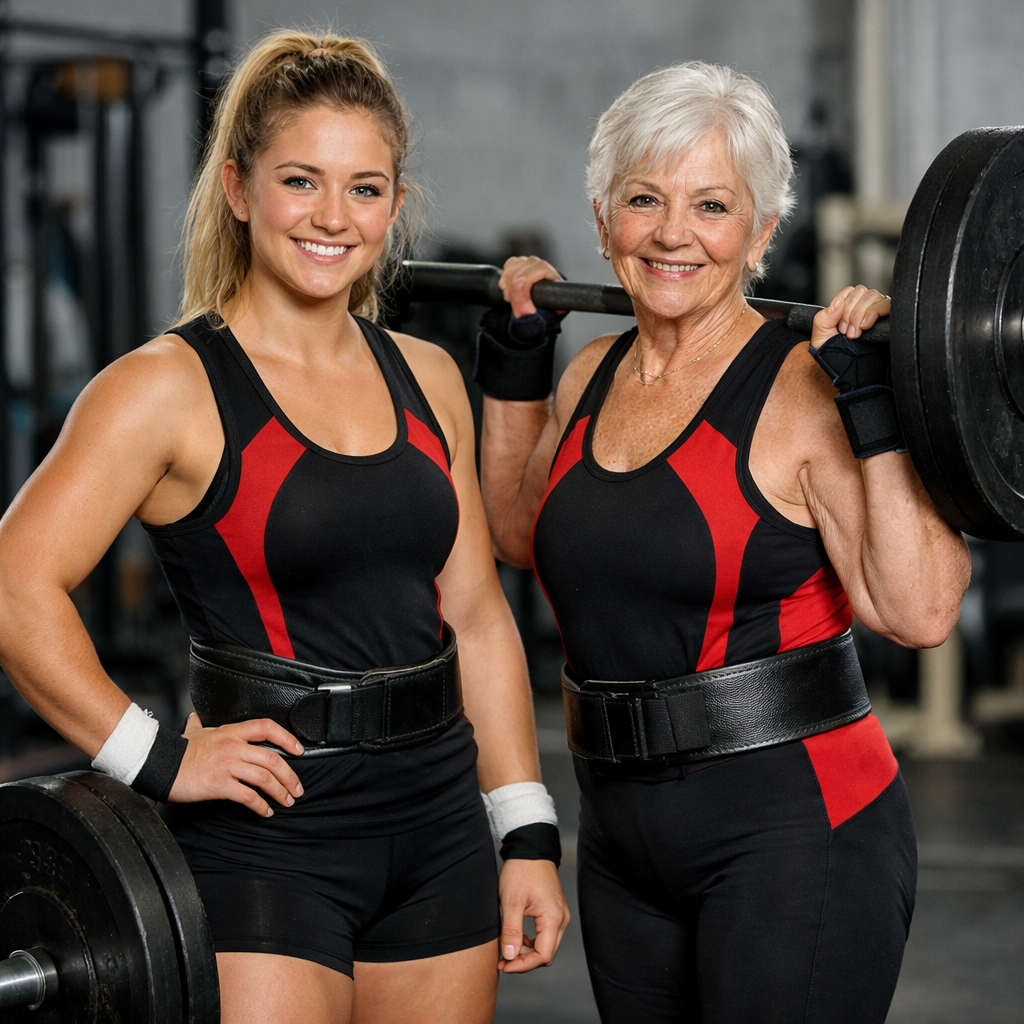
At 25, adding weight to a squat may simply feel like a gym accomplishment. At 65, 75, or 85, strength can influence whether you can get off the floor, carry your own luggage, recover from illness, catch yourself when you stumble, or continue living independently.
That makes muscle a form of physical reserve.
And reserve is worth building before you desperately need it.
You cannot stop aging. But you can give your body a reason to remain capable.
At FITNESS SF, we believe exercise is more than recreation. Done intelligently and consistently, it is an investment in lifelong health, function, and independence. You are not just training for today's workout—you are training for the person you want to be decades from now.
*The content on this blog was written with the assistance of AI and is provided for general informational purposes only. It does not constitute medical advice. No responsibility or liability is assumed for any actions taken based on the information provided.