
Accessible strength training for blind and visually impaired members means adapting cues, equipment, and space so people can move safely and confidently without losing challenge. At FITNESS SF Mid-Market, trainer Miguel Cavazos has spent nearly a decade building that kind of environment alongside LightHouse for the Blind.
The program started more than 10 years ago as a partnership with LightHouse for the Blind and Visually Impaired, then continued even after the formal agreement ended. Today, blind and low-vision members receive free personal training sessions and discounted memberships at Mid-Market, a few blocks from Civic Center BART.
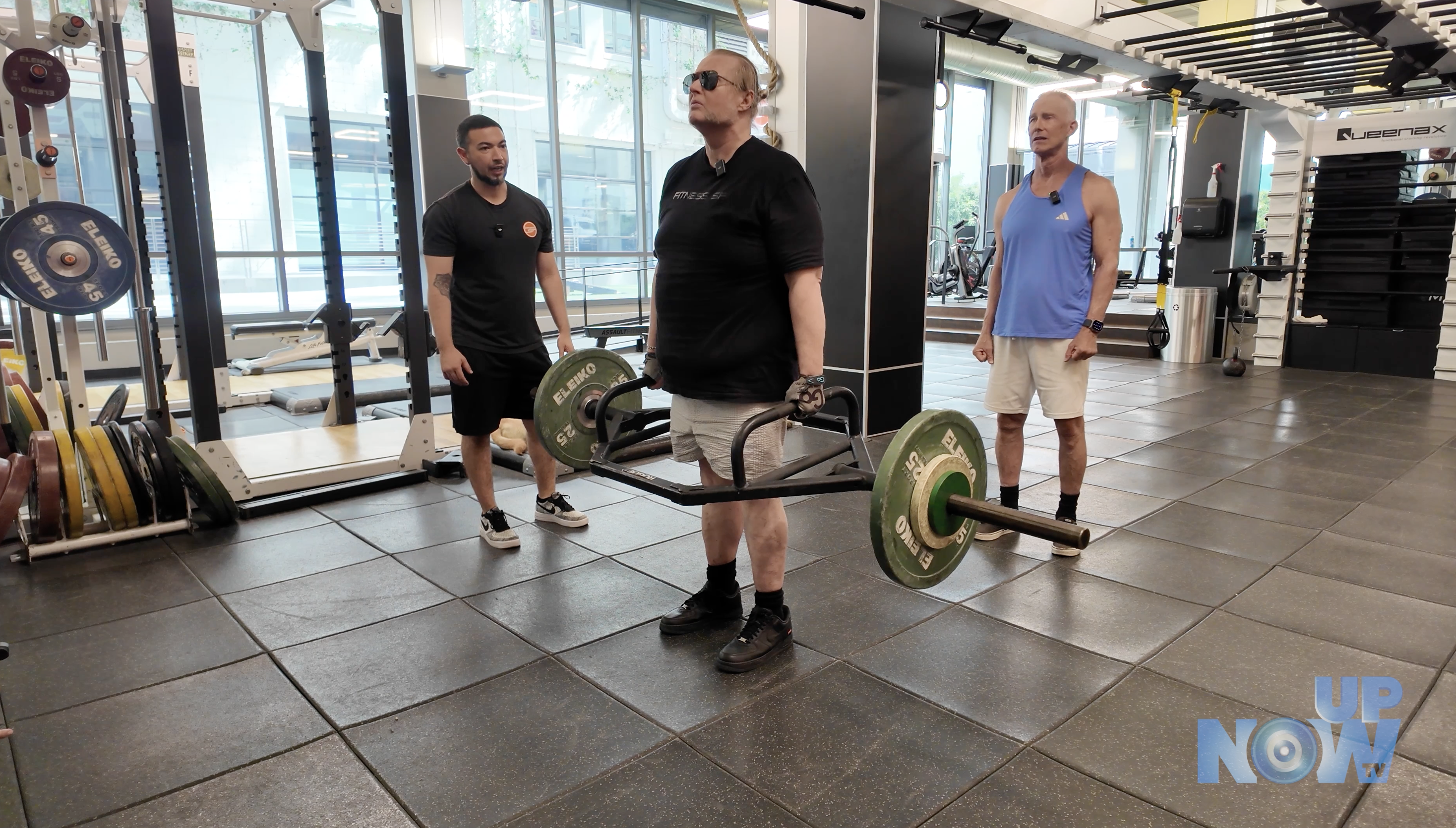
In a recent News UpNOW story, members described how Miguel’s coaching helps them stay active, build confidence, and feel at home on the weight floor. For us, that’s the point: not just “offering access,” but doing the ongoing, hands-on work of coaching real people in a real San Francisco gym.
Designing Strength Sessions for Blind and Low-Vision Members
When Miguel builds a session, he starts with the same principles he’d use for any member—progressive strength, joint-friendly movement, and clear intent—then layers on accessibility. That means predictable equipment layouts, consistent rack and bench setups, and detailed verbal cues instead of relying on mirrors or demonstrations alone.
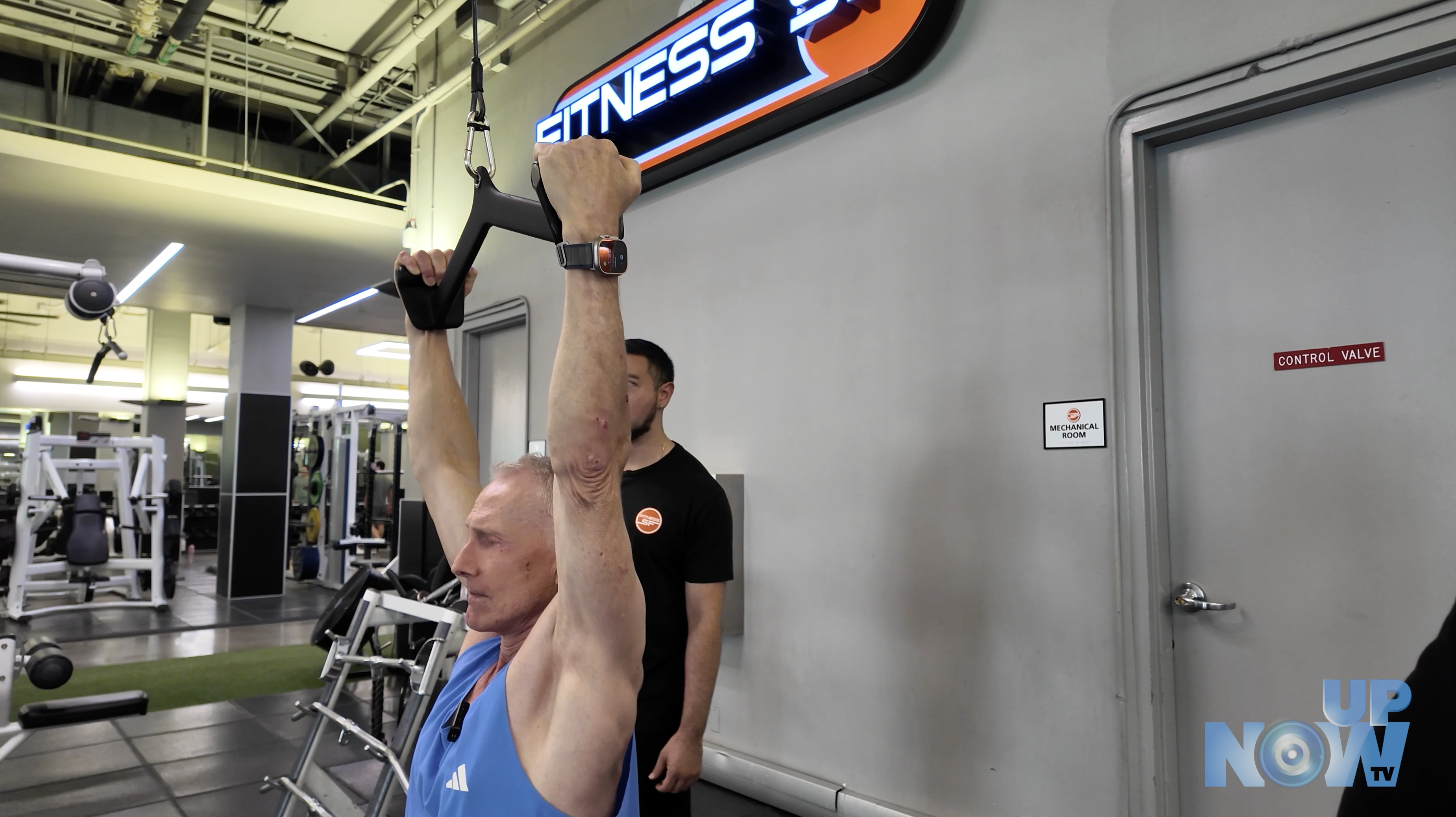
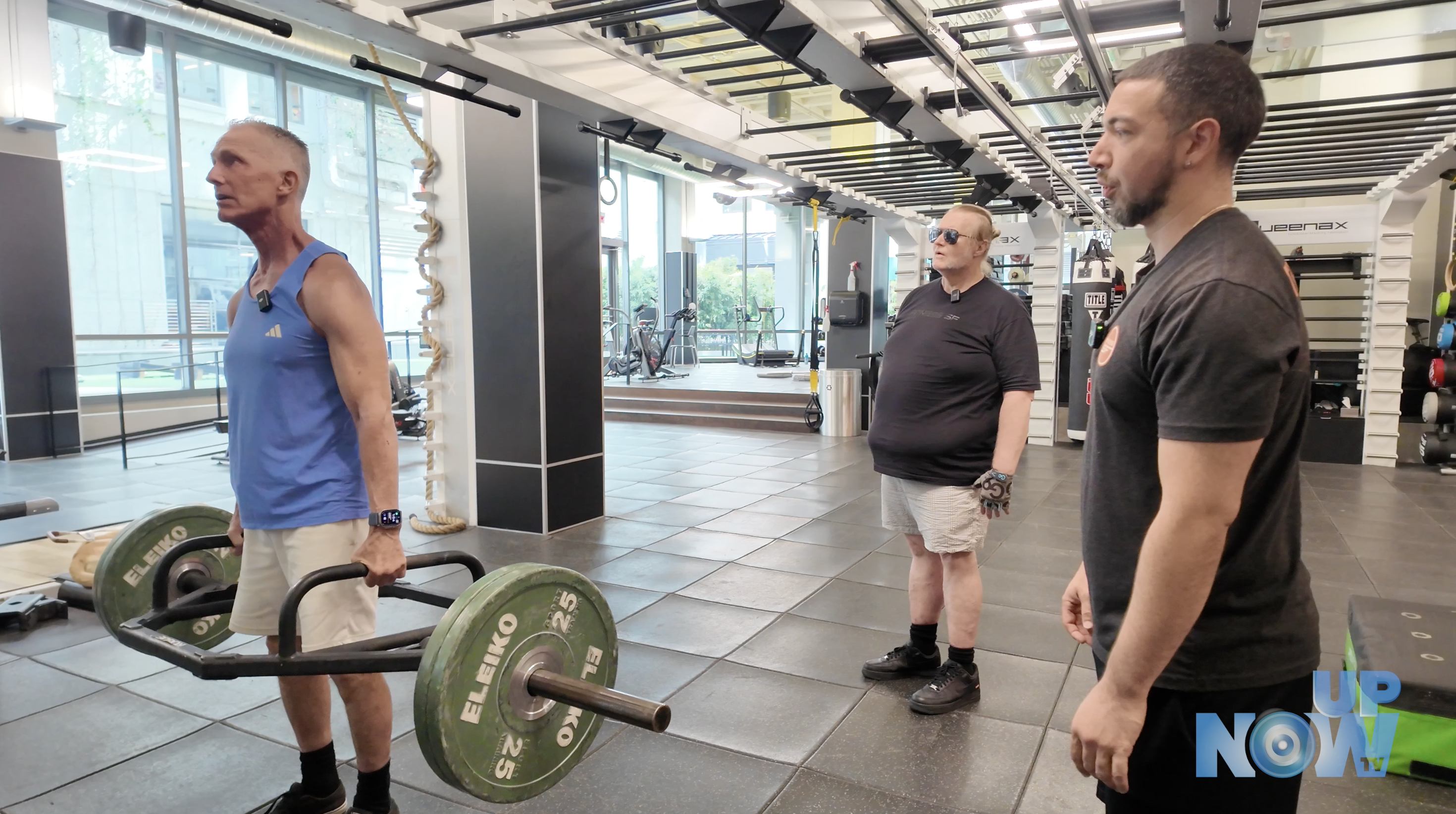
A typical session might include trap-bar deadlifts, cable rows, and carries up and down a clear lane of the floor. Miguel describes each setup step-by-step, lets the member explore the equipment with their hands, then uses clock-face directions (“press the handle toward 12 o’clock”) and tactile landmarks on the floor to guide alignment.
This approach mirrors how LightHouse runs its own exercise classes, where instructors “clearly describe all movements” so blind and sighted people can follow together. It also lines up with a 2025 balance study showing that people with low vision and blindness often experience more postural instability—meaning well-coached strength and stability work isn’t optional; it’s protective.
What Belonging in the Gym Feels Like When You Can’t See the Room
Accessibility is more than getting through the front door. It’s whether you feel like the space, the people, and the culture are actually for you once you’re inside. That’s where Miguel’s consistency—week after week on the floor at Mid-Market—matters as much as his program design.
In the News UpNOW coverage, members talked about making friends between sets, recognizing staff by voice, and feeling “part of something” rather than a special case. Those details echo a 2025 Adapted Physical Activity Quarterly study of 10 blind and visually impaired women, which found belonging grew when participants were welcomed, treated as valuable, and able to build friendships beyond a single workout.
At FITNESS SF, we don’t coach perfection—we coach context. That means giving people room to ask for help orienting to a new machine, to say when the music is too loud to hear cues, or to take extra time walking between stations without feeling rushed.
Why Accessible Fitness Matters Beyond Mid-Market
What Miguel is building at Mid-Market is a template, not an exception. Clear walkways, consistent equipment placement, and coaches who can teach without pointing at a mirror make the gym better for blind and low-vision members—and easier to navigate for anyone dealing with anxiety, sensory overload, or just a packed weight floor at 6 p.m.
Research on visual impairment and movement shows higher fall risk and greater balance challenges, but it also shows that people adapt when they have the chance to practice in supportive environments. Heavy carries, single-leg holds near a stable support, and controlled step-ups can all train the postural control highlighted in recent balance research, while still feeling like “real” strength work.
If you train at Mid-Market, you’ve probably seen Miguel moving between platforms and machines with members who use canes or guided assistance. If you know someone who is blind or visually impaired and wants to move more, share the News UpNOW story or invite them to visit—with the reminder that this program exists for them, not as a favor, but as part of who we are as a community gym.