
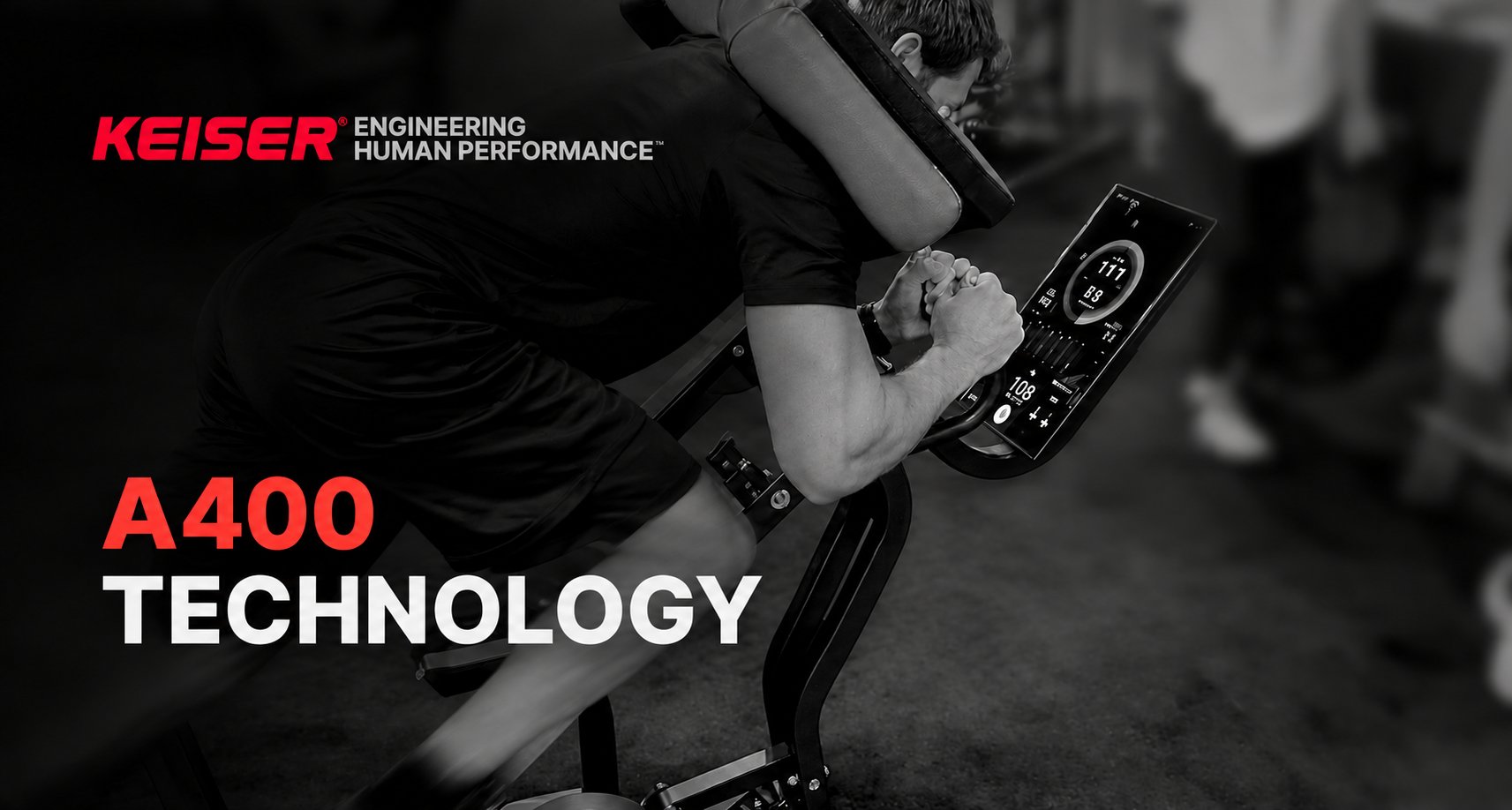
With pneumatic resistance, you’re pushing against air, not a heavy metal stack. That means resistance stays smooth through the whole range of motion, with less momentum yanking on your joints. On the Keiser A400 circuit at FITNESS SF Polk, that smooth curve lets you train hard without beating yourself up.
If you’ve ever skipped heavy days because your knees, shoulders, or back felt sketchy, you’re exactly who this system is built for. Air-powered resistance reacts instantly to how you move, instead of forcing you to wrestle with swinging plates. On the A400 Lat Pulldown or Chest Press Pro, the resistance matches your effort rep by rep.
There’s also a performance upside. A 2015 study in the Journal of Strength and Conditioning Research compared eight weeks of pneumatic vs. free-weight training. Both groups got stronger, but the pneumatic group improved maximum power by about one-third and showed bigger gains at lighter loads—exactly the kind of explosive strength you use when sprinting up SF hills or catching a Muni bus.
Why pneumatic resistance is easier on joints—without going easy on you
Traditional weight stacks come with built-in momentum. Once the plates are moving, they want to keep moving, which can jerk on your joints at the bottom and top of each rep. Pneumatic machines remove most of that inertia, so your muscles—not your ligaments—absorb the work.
That matters if you’re managing arthritis, past injuries, or just the reality of decades of use. A 2021 randomized trial of a community pneumatic program in older adults, published in the European Review of Aging and Physical Activity, found 12 weeks of pneumatic training improved lower-body strength by 11–26% and boosted fast walking speed by about 7%. Members weren’t doing circus tricks—just consistent, joint-friendly resistance work.
Several smaller studies point in the same direction. Research in older women using Keiser pneumatic chest and leg press machines reported highly reliable one-rep-max tests with good safety and tolerance—meaning people could push themselves without the process breaking them down. Another trial of self-regulated pneumatic training found participants significantly cut the time it took to stand up from a chair five times, a simple but powerful measure of everyday strength.
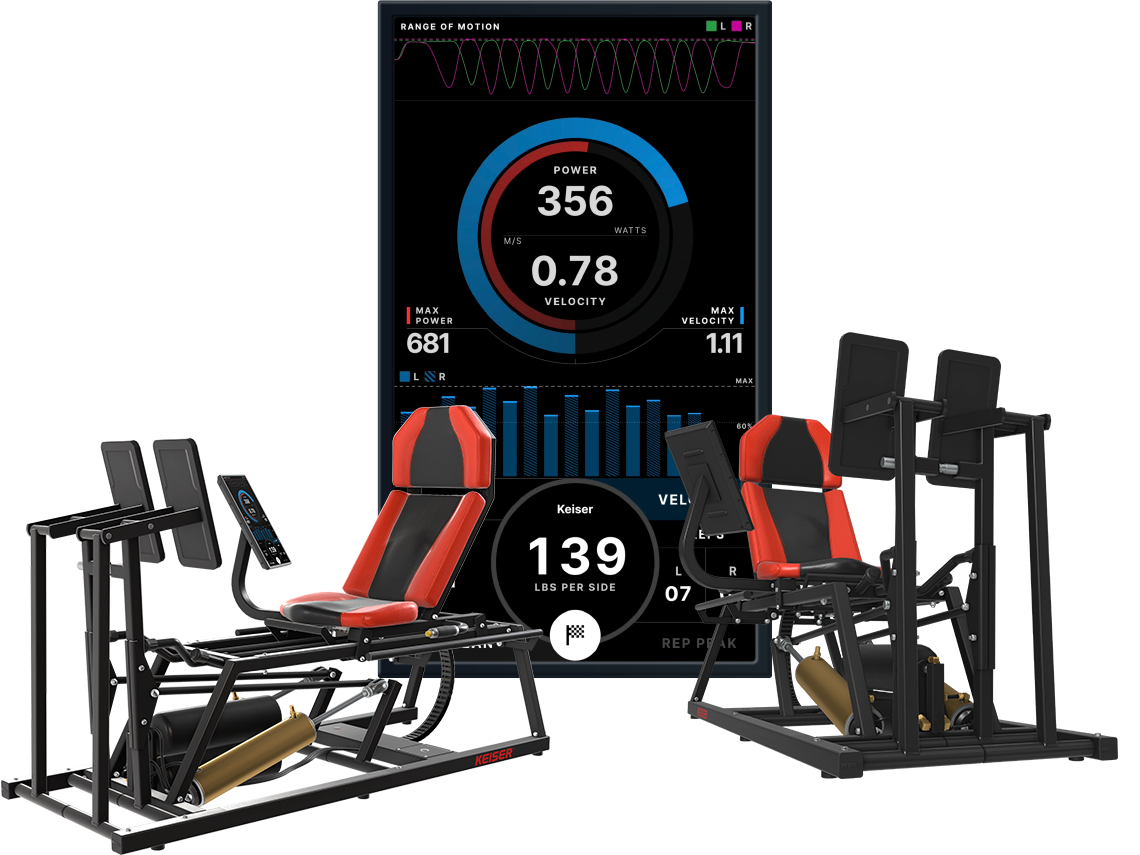
On the A400 Leg Press Heavy at Polk—up to 700 pounds per leg, each side moving independently—you feel that difference as controlled effort, not impact. You can load the movement enough to challenge your glutes and quads while keeping your knees and hips in a safer, more natural path.
Real-time performance data: turning every set into feedback you can use
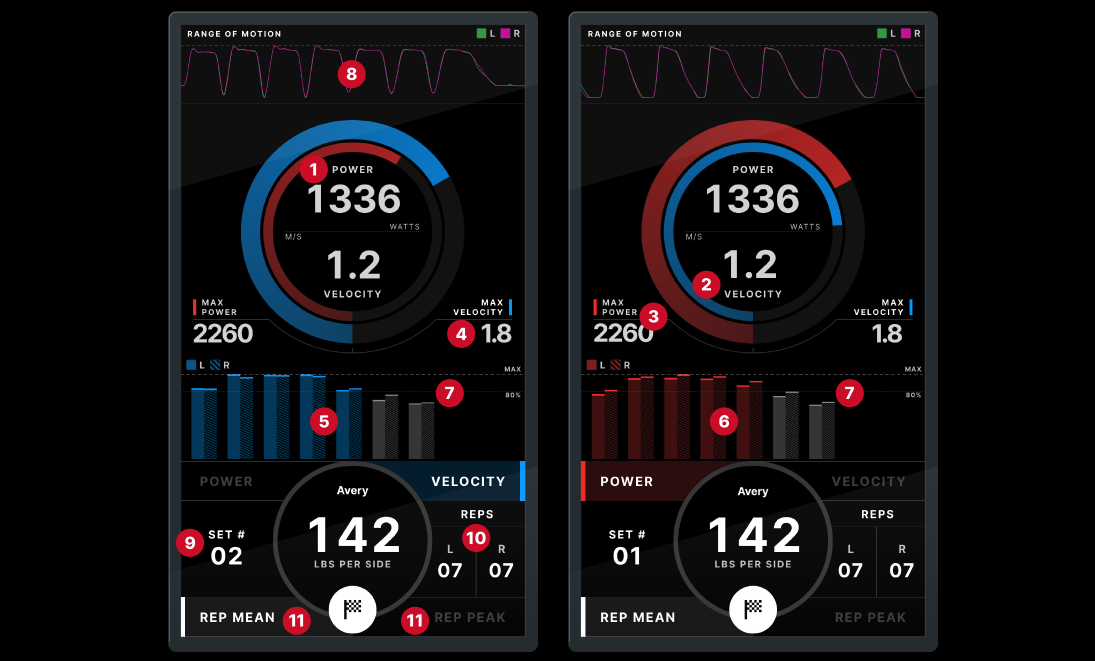
Most machines only tell you the weight on the stack. The Keiser A400 display tells you what your body is actually doing: power, velocity, range of motion, and how those change rep by rep. Every set on the circuit at Polk doubles as a mini performance test.
That feedback is more than a cool graph. A 2024 study in Frontiers in Physiology found that lifters who received real-time quantitative feedback during bench press training improved one-rep max and power more than groups who just lifted or got verbal encouragement. Seeing your numbers climb rep to rep tends to pull a little more intent out of you.
Real-time visual feedback also seems to improve force output and test reliability in strength testing, according to 2025 research on isometric pulls published in an open-access sports science journal. In practical terms, that means the numbers you see are not just motivating—they’re trustworthy enough to guide training decisions.
On the A400 circuit, you can spot when your velocity or power drops off and end the set there, instead of grinding junk reps. You can also compare left and right sides on machines like the Lat Pulldown to expose imbalances that might be hiding behind your stronger side.
How to use the Keiser circuit at Polk for rehab and performance
Because resistance is air-powered and adjustable in tiny increments, the same A400 machines that support pro athletes also work for members returning from injury or just getting started. At FITNESS SF Polk, you’ll see the 18-piece circuit used for everything from careful knee rehab to explosive deadlift work.
A simple on-ramp: pick two to four movements that cover major patterns—A400 Deadlift, Leg Press Heavy, Chest Press Pro, and Arm Curl, for example. Start with a load that lets you move smoothly for 8–10 reps while keeping your range of motion consistent on the display. Your goal in the first couple of weeks is confidence and control, not chasing peak watt numbers.
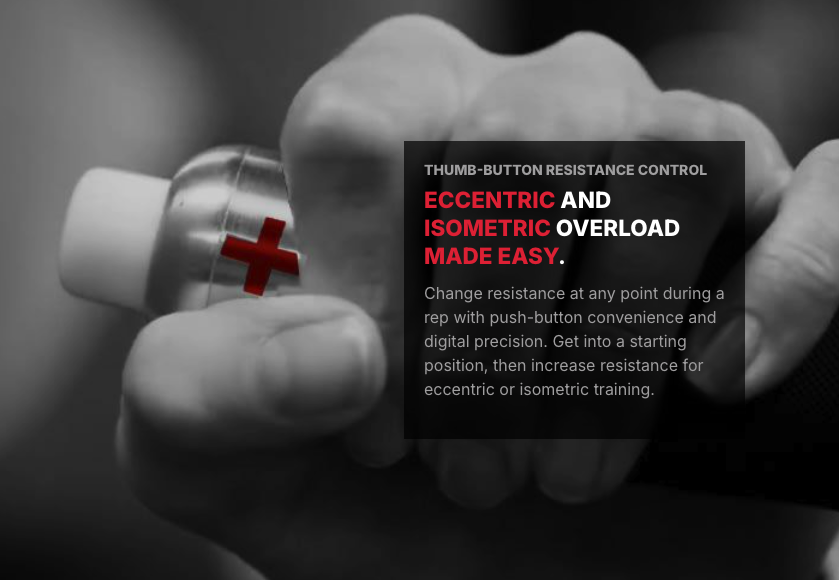
As you adapt, you can use the data to dial things in. If you’re rehabbing, you and a coach might watch unilateral graphs to make sure your recovering side is catching up. If you’re chasing performance, you might program sets where you stop as soon as your power drops below 80% of that day’s best rep—a feature baked into the A400 system.
The bigger picture: being the only large gym in Northern California with a full Keiser A400 circuit means Polk gives you access to the same technology you’d see in college weight rooms and pro facilities—without needing a team credential to walk in. Whether your next goal is pain-free grocery carries up Nob Hill or a faster 10K, air-powered strength work can be one of the safest, smartest levers you pull.